








Introduction:Cold brew coffee excels in low-temperature slow extraction, creating a unique flavor profile that is smoother, gentler, and lower in bitterness compared to hot brew. It's a convenient and time-saving coffee choice for everyday use. This article delves into the definition of cold brew, its core flavor characteristics, and the golden brewing ratio. Based on different origins and processing methods, we also recommend several coffee bean varieties ideal for cold brewing, along with three innovative brewing methods—adding sparkling water, milk, and alcohol—to help readers craft their personalized flavor profiles.
Cold brew coffee has gained global popularity in recent years, especially during hot seasons or busy periods. Its simplicity—requiring no complex equipment and only cold water and extended steeping—has made it a daily favorite among many coffee enthusiasts. Compared to traditional hot brew, cold brew utilizes the dual effects of low temperature and time to produce a rounder, smoother mouthfeel, while reducing bitterness and harshness, resulting in an overall fresher and more approachable flavor.
Known as Cold Brew Coffee in English, the basic method involves placing pre-ground coffee into a specialized container, mixing it uniformly with cold water at a specific ratio, then refrigerating it for at least 12 hours. For a richer and more intense flavor, the steeping time can be extended to 24 to 48 hours. After steeping, simply filter out the coffee grounds, and the resulting dark liquid is the finished product. The most distinctive feature of this process is the cold extraction throughout, which shapes its unique flavor profile.
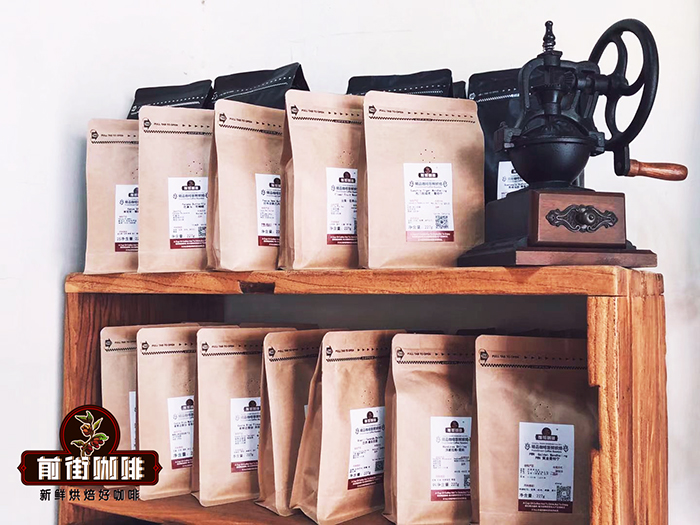
The key to cold brew lies in "slow" and "cold." The low-temperature environment suppresses the release of large molecular compounds such as smoky and roasted aromas, which are typically extracted at higher temperatures, while allowing smaller molecular components like fruit acids and floral notes to elegantly shine. As a result, cold brew coffee generally has lower acidity, less perceived bitterness, a smooth mouthfeel, and a natural sweetness, making it suitable for those who prefer less intense and stimulating flavors. Additionally, its brewing process is straightforward—just prepare the materials and tools in advance, refrigerate overnight, and enjoy. It’s very user-friendly for busy modern lifestyles. However, it’s worth noting that the longer cold brew is stored in the refrigerator, the stronger the fermentation effect becomes, gradually altering the flavor. For the best experience, it’s recommended to consume it within 3 to 4 days.
So, how do you choose the right coffee beans to make outstanding cold brew? It’s generally recommended to prioritize beans processed through natural (sun-dried), washed, or specialty methods, as these processing techniques highlight the coffee’s inherent layers and sweetness, complementing the low-temperature characteristics of cold brew. Coffee beans from African origins often boast bright fruit acids and vibrant floral notes, with lively and pleasing flavors, though they may lack a bit in body. Beans from the Americas, such as those from Panama and Costa Rica, strike a balance between fruity-floral aromas and a rich mouthfeel, with honey-processed beans adding an extra layer of fermentation complexity, making the cold brew experience even more nuanced.
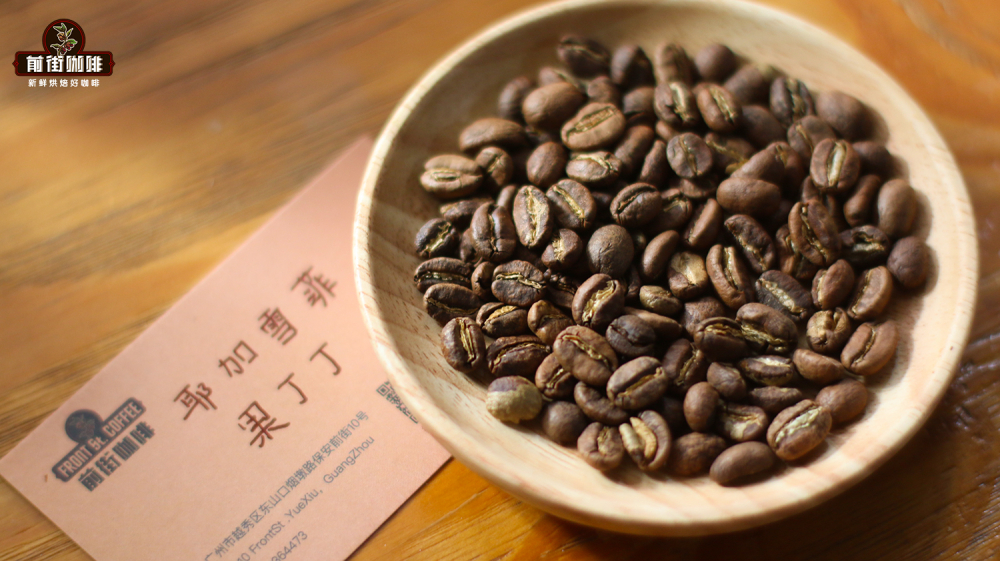
Below are several recommended bean varieties with distinct flavor profiles:Yirgacheffe Gu Ding Ding, produced in Ethiopia’s Yirgacheffe region, grown at altitudes of 1850-2100 meters, using washed processing, with the Heirloom variety. The flavors include white floral notes, citrus, red plum, and moderate acidity.Honduras Sherry, from the Mocha Estate in the Masaguara region, grown at altitudes of 1500-1700 meters, with varieties including Caturra, Catuai, and Pacas. It undergoes refined washed processing combined with whiskey sherry barrel fermentation, offering vanilla, whiskey aroma, cantaloupe, and black chocolate notes.Honduras Lychee Orchid, also from the Mocha Estate, with similar altitude and varieties, processed via refined washed method combined with brandy barrel treatment. The flavor profile features a creamy texture, brandy fermentation aroma, and black chocolate.Panama Geisha Flower Butterfly, from the Boquete region, grown at altitudes of 1600-1650 meters, using natural (sun-dried) processing. The variety blend is 70% Geisha, Caturra, and Catuai, showcasing classic Geisha traits including citrus and tea-like characteristics.
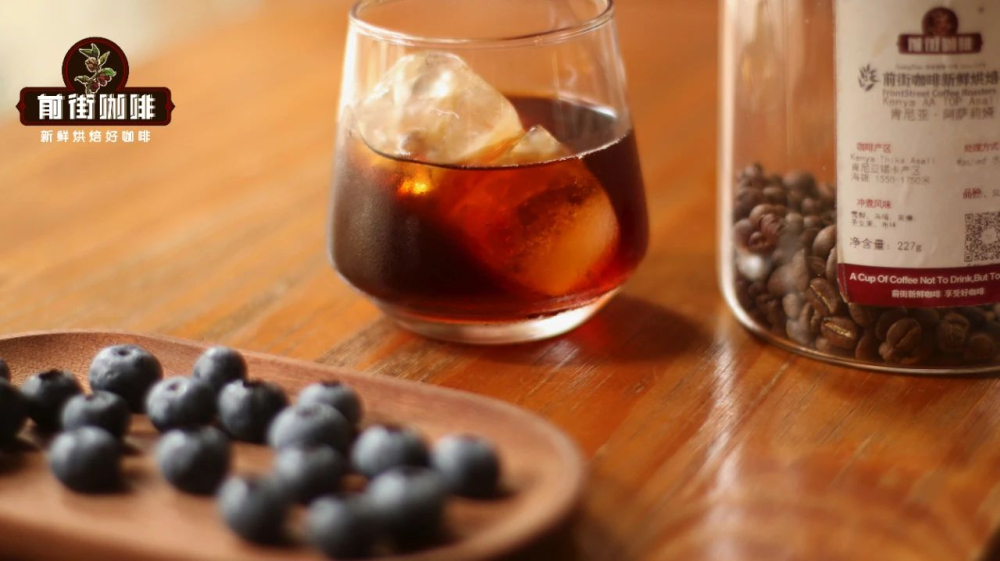
Beyond basic brewing, cold brew coffee can also showcase more possibilities through creative mixed drinks. For example, adding sparkling water not only enhances the refreshing mouthfeel but may also improve extraction efficiency through the interaction between bubbles and coffee grounds, resulting in more intense berry aromas and a unique oral bubbly sensation. If you prefer milky flavors, you can adjust according to personal preference by choosing fresh milk or creamer. Fresh milk offers a lighter body and a cleaner taste, while creamer can create a richer and more full-bodied texture, delivering a latte-like luxurious experience. Additionally, for those wanting to explore alcoholic notes, a few drops of Irish whiskey or brandy can be added, or beans like Honduras Sherry—which are fermented in whiskey barrels—can naturally bring out layers of creamy vanilla and alcohol without the need for additional spirits.

In summary, the charm of cold brew coffee lies in its simple brewing process and versatile flavor potential. By mastering the basic brewing ratio and time control, selecting suitable coffee bean varieties based on personal taste preferences, and experimenting moderately with creative mixed drinks, anyone can easily create their own personalized cold brew flavor profile. Whether enjoyed pure to savor its smooth, low-bitter essence or adjusted with additions to modify the flavor profile, cold brew can become a relaxing coffee moment in daily life.

The above content is compiled by CoffeeHunters, a coffee news website.


