







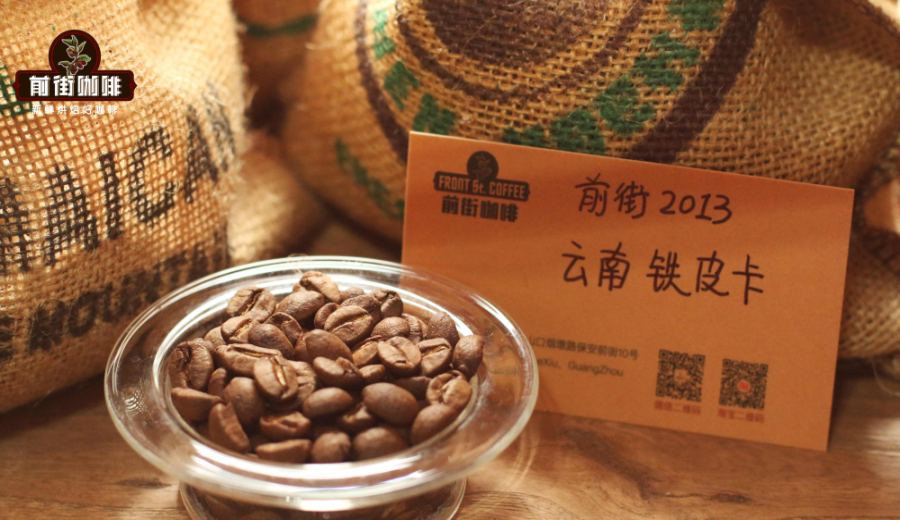
Introduction:Want to understand the unique flavors and growing background of Yunnan’s small-grain coffee? This article takes an in-depth look at the two most representative coffee varieties in the Yunnan region — Typica and Catimor. From their historical development, regional distribution, to flavor characteristics, we also provide the full brewing parameters and techniques for a certain brand's 2013 Typica pour over, helping you find the Yunnan coffee bean that suits you best.
The connection between a certain brand and Yunnan coffee dates back to a cross-regional planting attempt many years ago. Initially, the brand chose to plant the then-popular Catimor variety in Dazhen, Guangdong. However, limited by altitude and climate, the results were not as ideal. After nearly a year of practice, the brand gradually came to understand that the flavor and quality of coffee are closely related to the altitude and soil conditions of the planting location. Only in a suitable environment can coffee with specialty potential be cultivated.
As their perspective expanded, the brand turned its attention to China’s three major coffee-producing regions: Yunnan, Fujian, and Hainan. Among them, Hainan, with its relatively low average altitude, is not conducive to the growth of Arabica and mainly grows disease-resistant, high-yield Robusta. Although Robusta has twice the caffeine content and stronger disease resistance, its flavor is usually coarser, with a pronounced bitterness, and is rarely classified as specialty coffee.
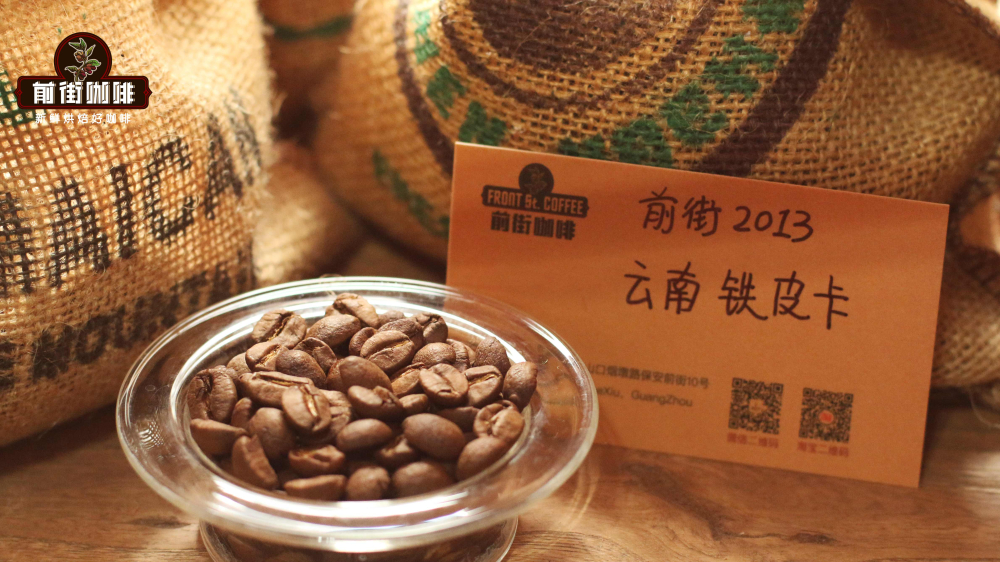
In contrast, Yunnan not only has certain altitude conditions, but most of its planting areas are within the suitable range for Arabica growth, making it the most suitable domestic region for cultivating Arabica coffee. The brand ultimately decided to abandon the Guangdong project and shift focus to Yunnan. It is worth mentioning that the brand did not directly take over an existing plantation, but instead purchased mountainous land suitable for coffee growth and opted for the Typica variety — which was more expensive and lower-yielding at the time — rather than the more commonly planted Catimor in Yunnan.
Why choose Typica? This goes back to the characteristics of the two varieties. Typica (Typica) is one of the oldest varieties in the Arabica family, originating in Ethiopia and later spreading to various parts of the world through Yemen, including Java in Indonesia. This variety is known for its elegant flavor and is commonly found in renowned regions such as Jamaica Blue Mountain and Hawaii Kona, but it also has the drawbacks of low yield and weak disease resistance.
In contrast, Catimor is a hybrid of Caturra and Timor, carrying Robusta genes, which gives it strong disease resistance and stable yields, making it more suitable for commercial cultivation. However, due to this genetic background, Catimor is often considered to have a coarser flavor, lacking finesse, with lower acidity and distinct tea-like and herbal notes.
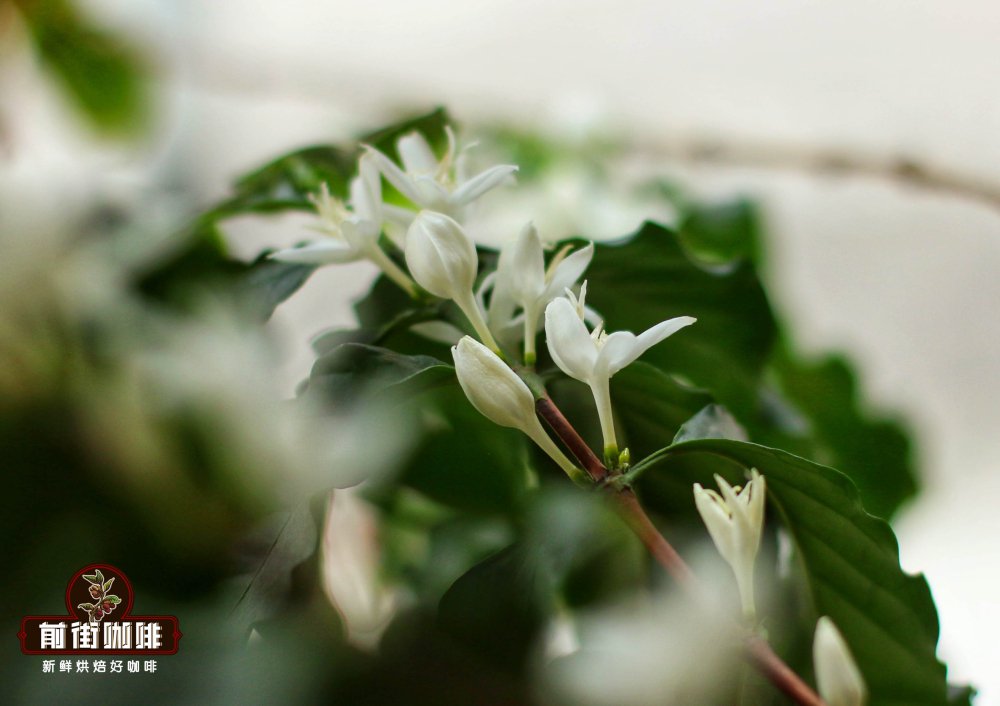
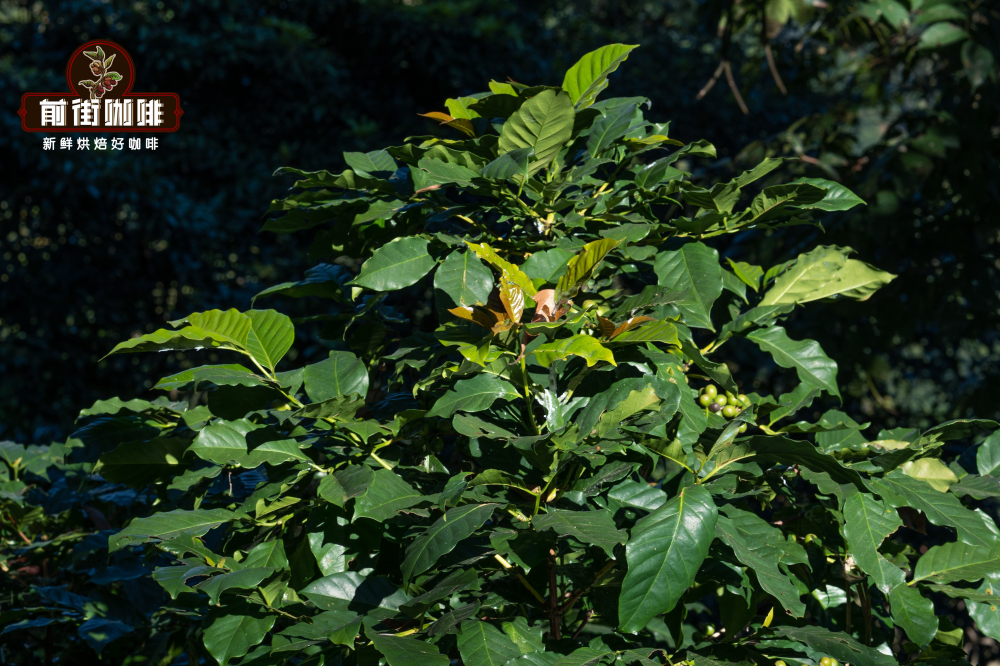
Most of Yunnan’s coffee-growing regions do not reach extremely high altitudes. Although some areas claim to be able to grow coffee at 1800 meters, in reality, most coffee trees grow within the altitude range close to the minimum suitable for Arabica. To compensate for the altitude limitations, the brand chose the higher-quality but rarer Typica, and implemented strict plant selection and staff training. After seven years of cultivation, they finally launched the 【a certain brand 2013】 Typica coffee beans, with a yield of only about 200 kilograms.
This coffee took seven years from planting to market launch, during which multiple variety improvements and technical adjustments were made to achieve a stable and outstanding flavor profile. After its release, it quickly sold out due to its unique aroma and taste, becoming a classic in the hearts of many coffee enthusiasts.
So, how does the brand brew this 【a certain brand 2013】? According to the standard store procedure, it is recommended to use a V60 filter cone, with water temperature controlled at 91℃, a coffee dosage of 15 grams, using a 1:15 coffee-to-water ratio, and selecting a grind size similar to the fineness of caster sugar, passing through a Chinese standard No. 20 sieve at approximately 80% . The extraction uses a three-stage method: first, a 30-second bloomwith twice the coffee dosage of water (about 30 grams), followed by pouring in small streams in a circular motion from the center outward to 125 grams, then continuing to pour after the water level drops to 225 grams, with a total extraction time of about 2 minutes.
The most prominent flavor characteristics of this Typica coffee are its rich black tea undertones and nutty profile, with clear layering. As the temperature changes, shifts from berry to citrus notes can be detected, while the sweetness leans toward brown sugar. The overall profile is delicate and balanced.
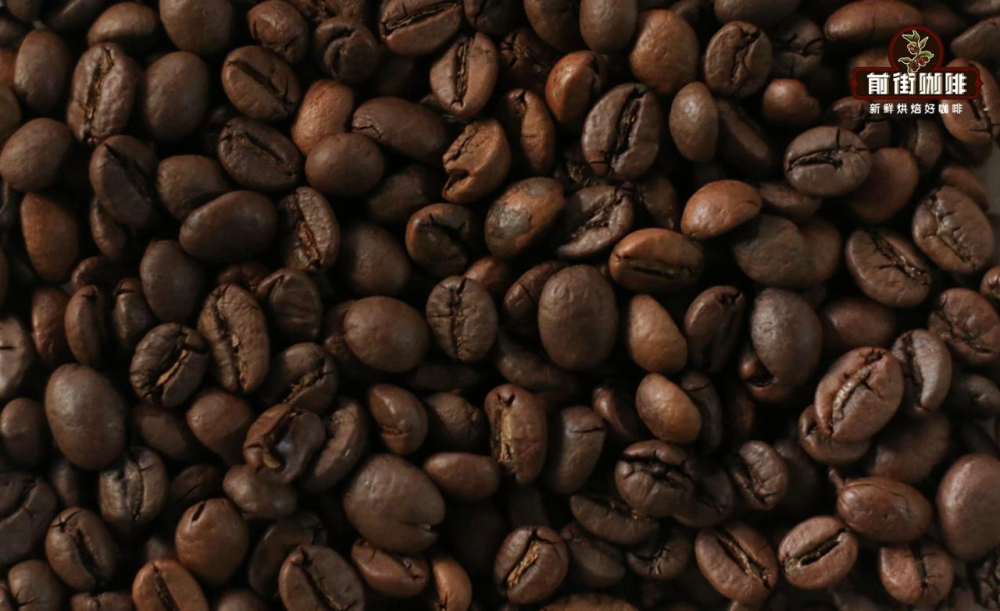
However, the yield of 【a certain brand 2013】 is limited and cannot meet all consumer demand, so the brand also sources the more commonly grown Catimor coffee beans in Yunnan, also known as the so-called ‘Yunnan small-grain coffee.’ It should be specifically noted that the term ‘Yunnan small-grain coffee’ was originally used to generally refer to Arabica coffee produced in Yunnan, especially represented by Typica. But as market demand increased, many farmers switched to Catimor in pursuit of higher yields, gradually making this term synonymous with Catimor.
Currently, Yunnan has formed four major coffee-producing regions: Lincang, Baoshan, Dehong, and Pu'er. Due to differences in microclimates and altitudes, each area produces coffee beans with unique flavor profiles. Although Catimor may not match the flavor finesse of Typica, it offers a more approachable acidity and unique tea-like quality, making it suitable for drinkers who prefer a milder taste.
The above content is compiled by CoffeeHunters, a coffee news website.


