







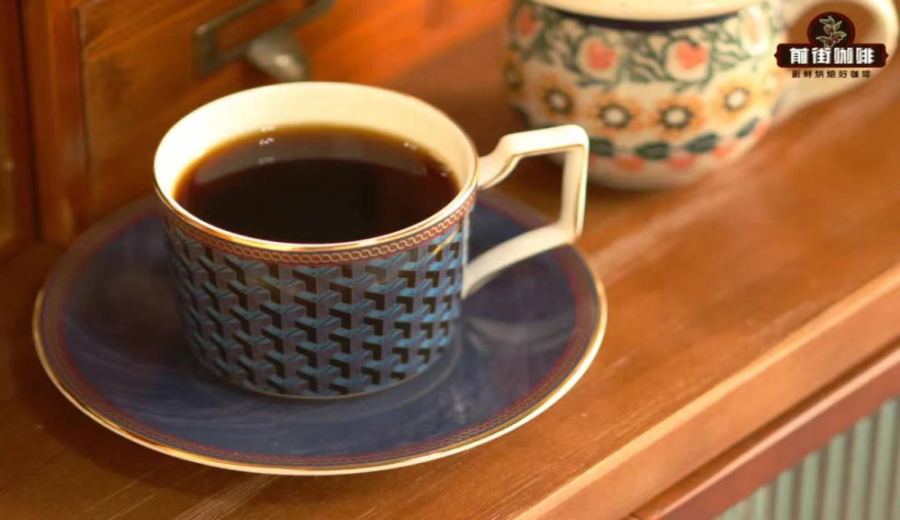
Introduction:The Golden Mandheling G1 from Sumatra, Indonesia, achieves its herbal, spicy, and dark chocolate complexity through the wet-hulled process and medium-dark roast — a classic favorite among many coffee enthusiasts. This article delves into the unique flavor development of this premium-grade Mandheling, covering everything from growing altitude and bean selection to roasting and pour-over brewing, while also providing practical pour-over parameters and tips so you can brew a rich yet clean cup of Mandheling at home.
Mandheling coffee often leaves a strong impression of boldness and body, appealing to those who enjoy intense flavors, though some may shy away due to its noticeable bitterness. In truth, the key to a high-quality Mandheling lies in the interplay between green bean quality, roasting craftsmanship, and brewing methods. This article will take an in-depth look at the Golden Mandheling G1 produced by PWN from the Gayo Mountains in Aceh, Sumatra. From regional background and meticulous selection processes to the impact of the wet-hulled method, we’ll explore why it’s regarded as a flagship representation of premium Mandheling. We’ll also explain the reasoning behind the medium-dark roast choice and share field-tested pour-over parameters to help you achieve a well-balanced, layered classic Mandheling brew at home.
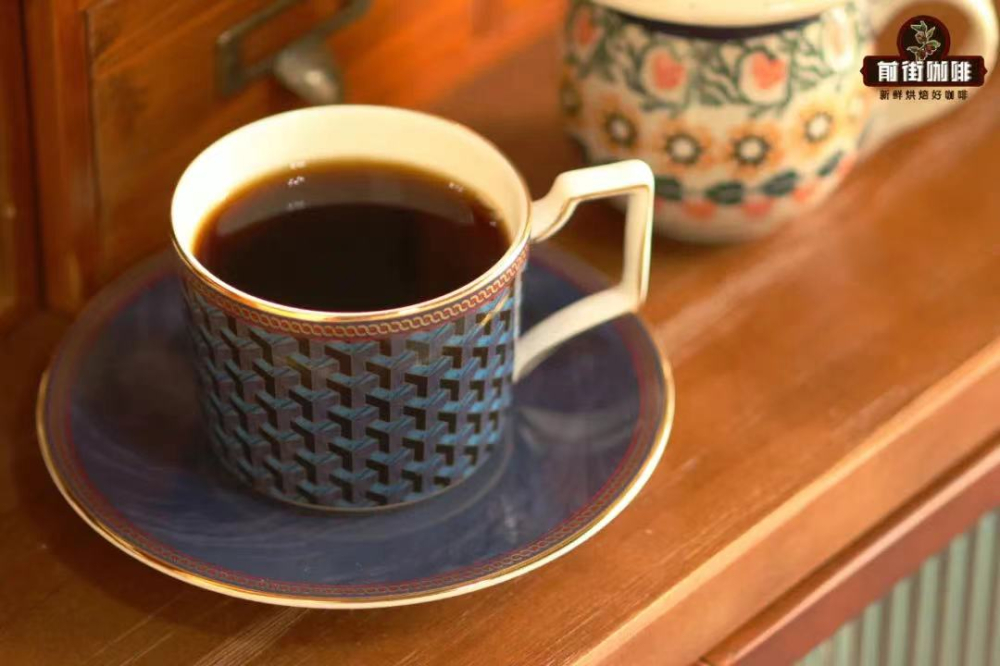
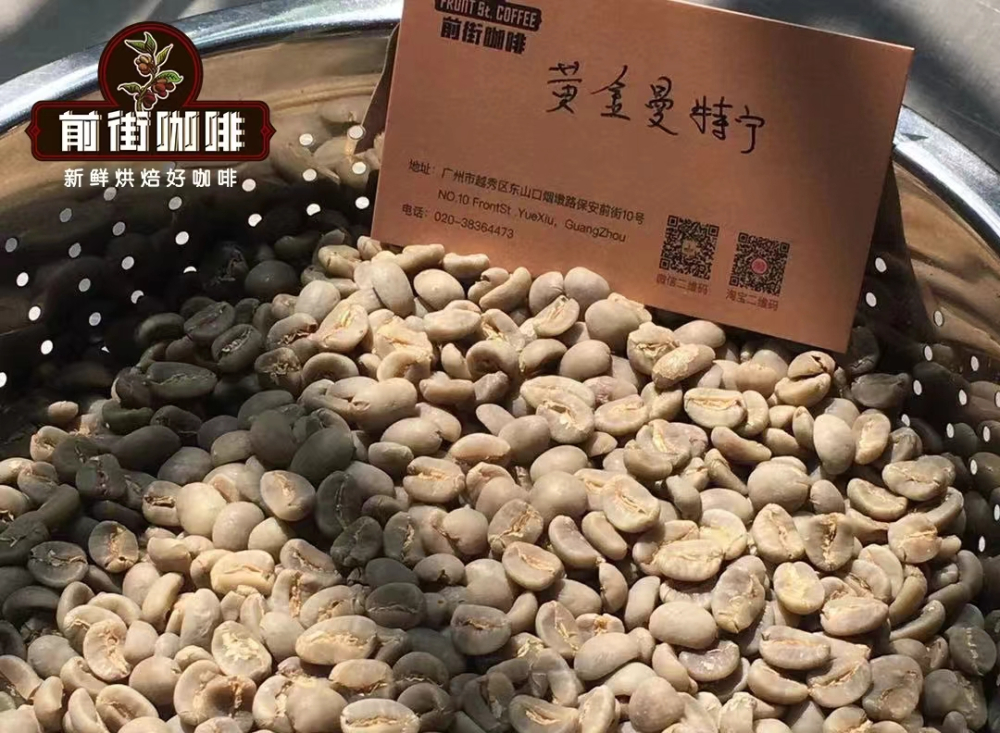
The widespread acclaim of Golden Mandheling G1 stems from PWN’s rigorous green bean quality control in the Gayo Mountains around Lake Tawar, Aceh, Sumatra. These beans undergo one mechanical screening and three rounds of manual hand-picking, selecting only those with uniform size and intact shape while eliminating defective ones — ensuring the entire batch meets Indonesia’s highest G1 grade. During manual sorting, not only must beans exceed 18 mesh size, but any abnormally shaped, underdeveloped, or damaged beans are also removed. As a result, the final product exhibits exceptional consistency, which aids even heat distribution during roasting and allows for a purer, more uniform flavor expression.
Each package of Golden Mandheling G1 from PWN features an official certification label, and many physical cafés also display PWN authorization documents and original burlap sacks to guarantee authenticity. Compared to standard commercial Mandheling, this G1-grade bean demonstrates a brighter acidity and sweeter finish in cupping, while still retaining the region’s signature deep herbal and spicy notes. The finish carries a profound dark chocolate tone, resulting in an overall clean, full-bodied, and well-balanced profile.
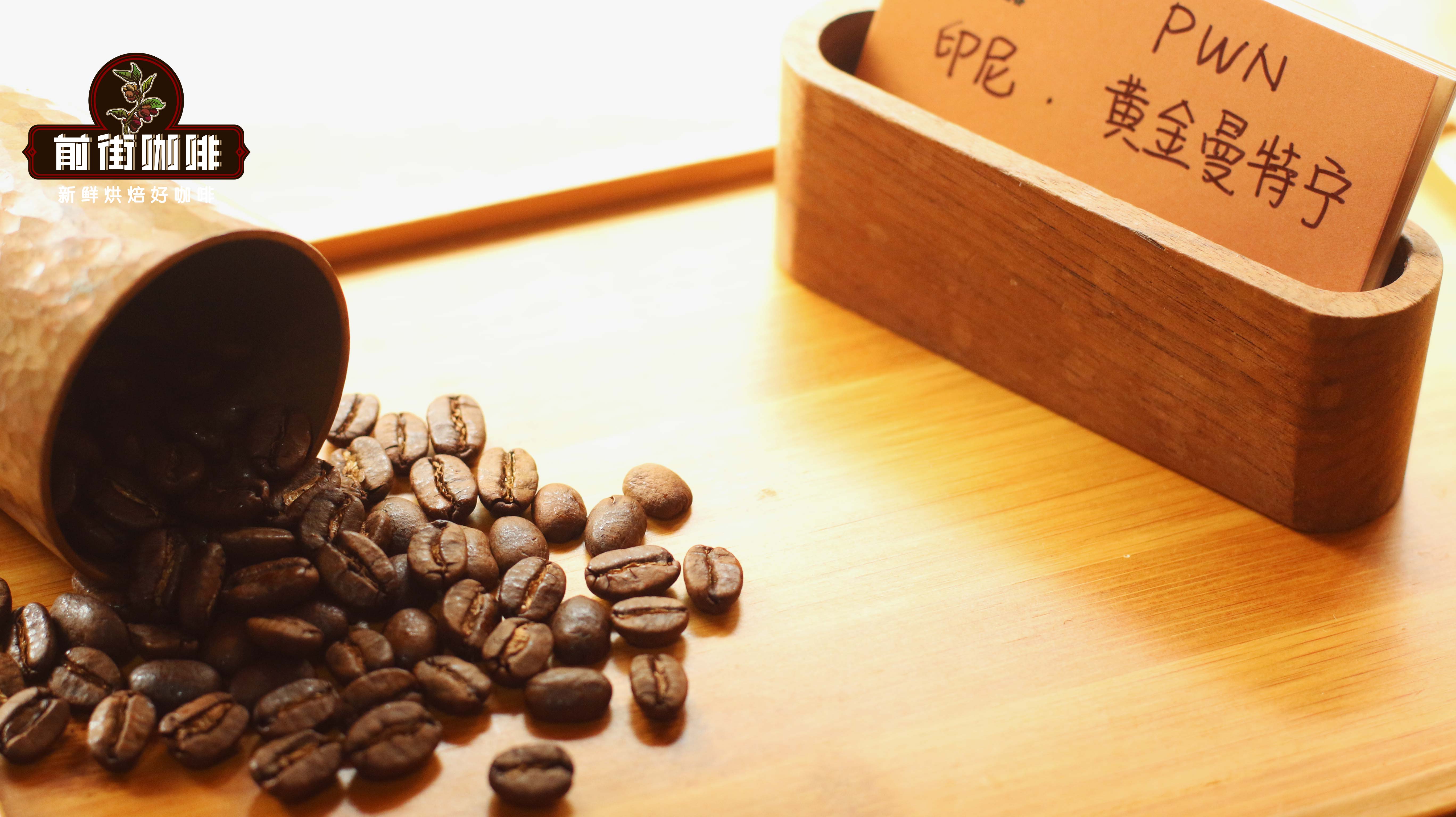
Indonesia is one of the few coffee-producing regions where Robusta dominates, yet the Arabica Mandheling from Sumatra stands out as a rare example of high quality. Mandheling in Sumatra is primarily cultivated in the Lake Tawar area of northern Aceh and the Lingtong region of North Sumatra. The origin of Golden Mandheling, the Gayo Mountains, sits at an average elevation between 1,110 to 1,600 meters, offering a high-altitude growing environment. Local smallholders often plant under shade trees, and the use of the wet-hulled process contributes to its rich, deep-bodied flavor foundation.
When it comes to the roast level of Mandheling, most on the market lean toward medium-dark or dark roasts. This is mainly to complement the distinctive flavors brought by Sumatra’s wet-hulled method, while also masking certain processing-related defects. The wet-hulled process involves removing the coffee bean’s parchment layer before it is fully dried. While this imparts Mandheling’s iconic woody and herbal aromas, it also leaves the beans structurally more fragile and susceptible to moisture and microbial contamination, thus requiring a higher-temperature dark roast to stabilize the flavor. Additionally, Japanese coffee culture’s preference for dark roast profiles has further cemented the image of Mandheling as a deeply roasted coffee. For these reasons, Golden Mandheling is typically medium-dark roasted — preserving Sumatran character while achieving a balance between body and complexity.
To bring out the herbal and spicy notes of this Golden Mandheling while maintaining its rich texture, a medium-dark roast is recommended. The beans offered usually reach first crack and are then roasted just before the onset of second crack, placing them squarely in the typical medium-dark range. To ensure optimal freshness, it’s advised to choose beans roasted within five days prior to shipping for the best extraction performance.
For pour-over brewing, Golden Mandheling benefits from a medium-coarse grind, roughly the size of coarse sugar. Using a Chinese No. 20 standard sieve, a filtration rate of about 70% is recommended. This grind size complements the medium-dark roast, avoiding over-extraction that could lead to bitterness, while fully expressing its spicy and chocolatey tones. Suggested water temperature is 88°C, with a brew ratio of 1:15. Using a KONO filter cone is particularly effective.
The KONO filter cone, with its short rib design, slows down water flow, allowing for more thorough saturation of the coffee bed — enhancing both body and flavor layering. For actual pouring, start with a 30g bloom for 30 seconds to activate the grounds. Then pour in small circles to reach 125g, wait for the liquid level to drop by about half, and continue pouring until you reach 225g. The total brew time should be controlled around 2 minutes and 10 seconds. This parameter setup helps balance sweetness and body, making the herbal and dark chocolate notes in the finish more pronounced.
In summary, the PWN Golden Mandheling G1 from Sumatra is a premium coffee bean that blends tradition with refinement. Through high-standard green bean selection, wet-hulling processing, and medium-dark roasting, it presents a rich yet layered flavor profile. When brewing at home, simply master a medium-coarse grind, moderate water temperature, and proper pouring rhythm to easily recreate its classic Mandheling character — bold, clean, and lingering with spicy and chocolatey aftertastes.
The above content is compiled by CoffeeHunters, a coffee news website.


