








Introduction:The difference between Americano and espresso is not just about strength—it encompasses details from the choice of base beans, extraction parameters to brewing methods. This article delves into the origins and common ways of drinking Americano, introduces the extraction principles, coffee-to-water ratios, and key flavor parameters of espresso, and explores why iced Americano can easily lead to dependence, helping readers gain a more comprehensive understanding of the mysteries behind these two classic coffees.
On café menus, Americano is arguably one of the most common options. But do you understand its origins and the real differences between it and espresso? This article will take a deep dive into the characteristics of these two types of coffee, starting from historical background, extraction parameters, and common flavor perceptions, and explore why iced Americano often tempts people to keep coming back, even leading to dependence.

Many coffee enthusiasts are no strangers to Americano, especially as a safe everyday choice. Walk into any café, and Americano is almost always a staple. However, the flavor can vary greatly between different shops, which is closely related to the quality and extraction method of the base espresso. Next, we’ll start with the basic definition to help you understand what truly qualifies as a good Americano and espresso.
The name “Americano” actually has a little backstory related to World War II. It’s said that when American troops were stationed in Southern Europe, they found the intense and concentrated taste of Italian espresso hard to adjust to, so they would dilute it with hot water to make it more palatable. Since this adjustment method mainly circulated among the American military, over time, this water-diluted coffee came to be known as “Americano.”
So, how is Americano actually made? Simply put, it’s made by adding hot or cold water to extracted espresso in a certain proportion. This process may sound simple, but if you want to brew a high-quality Americano with balanced flavors and a smooth mouthfeel, the quality of the base espresso is key.
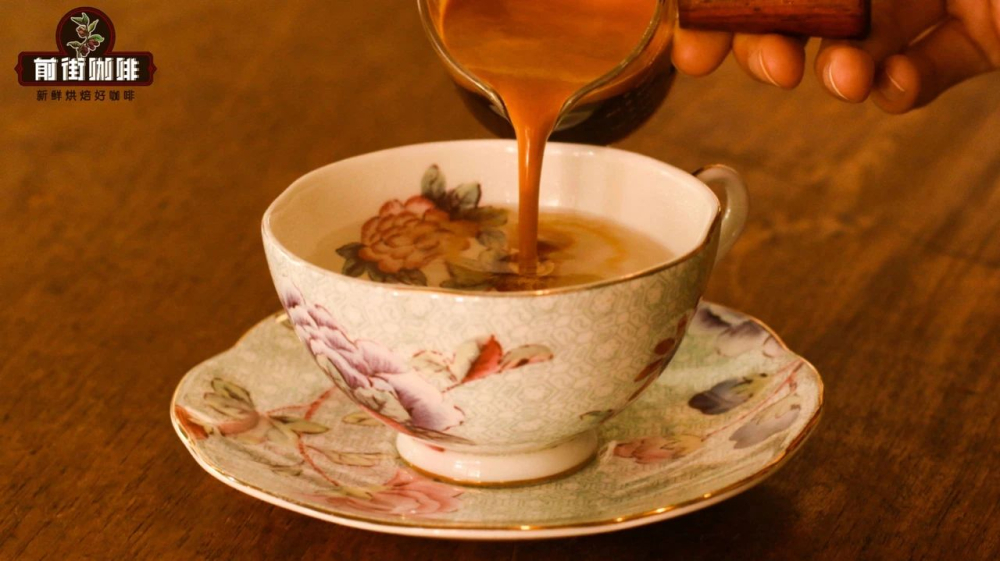
Espresso, or what we commonly call espresso, is a concentrated coffee liquid extracted under high pressure. In a high-pressure environment, various flavor compounds in the coffee beans are released more intensely, so compared to pour over or other brewing methods, espresso tends to have more pronounced acidity, sweetness, and bitterness. For example, coffee beans like Yirgacheffe, which have distinct citrus and lemon notes, will exhibit more prominent acidity under espresso extraction; meanwhile, the herbal and earthy bitterness of Indonesian Mandheling also becomes more intense.
Since single-origin beans can sometimes have overly sharp flavors, most professional cafés opt for blends to make espresso, balancing acidity, bitterness, sweetness, and body by combining beans from different regions. Such blends not only stabilize the flavor profile but also cater to various brewing needs.
When making espresso,coffee-to-water ratioandextraction parametersare crucial. First, the amount of coffee grounds typically depends on the capacity of the portafilter basket. Common basket sizes are 16g, 18g, 20g, or 22g—these are recommended amounts, with an allowable margin of error of around 1g in practice. For example, when using an 18g basket, the recommended coffee dose should be between 17g and 19g.
Too little coffee will result in a too-loose puck, causing the water to flow too quickly and leading to under-extraction; conversely, too much coffee will make the puck too dense, obstructing the water flow and even preventing proper extraction. Therefore, choosing the right amount of coffee for your basket is the first step to stable extraction.

As for the coffee-to-water ratio, traditionally a single shot of espresso uses about 7–8g of coffee grounds to extract 25–30ml of liquid. However, this weight-to-volume conversion isn’t always precise due to variations in coffee oils and density. As a result, the more common approach today is to use a weight-based coffee-to-water ratio, typically ranging from 1:1.5 to 1:2.5, with 1:2 being the most standard—for example, 20g of coffee grounds yielding 40g of liquid.
This ratio directly affects the taste of the coffee: a lower ratio makes the coffee overly intense, prone to over-extracted bitterness; a higher ratio results in a thinner flavor, with acidity that’s too sharp and lacking the layered complexity that espresso should have.
So, what makes a qualified shot of espresso? The first requirement is to use coffee beans with a stable flavor profile and well-balanced blend. In addition, all extraction parameters—including coffee dose, extraction time, pressure, and yield—must be precisely controlled. An experienced barista will adjust the extraction recipe according to the beans’ characteristics to ensure each shot achieves the best possible balance.
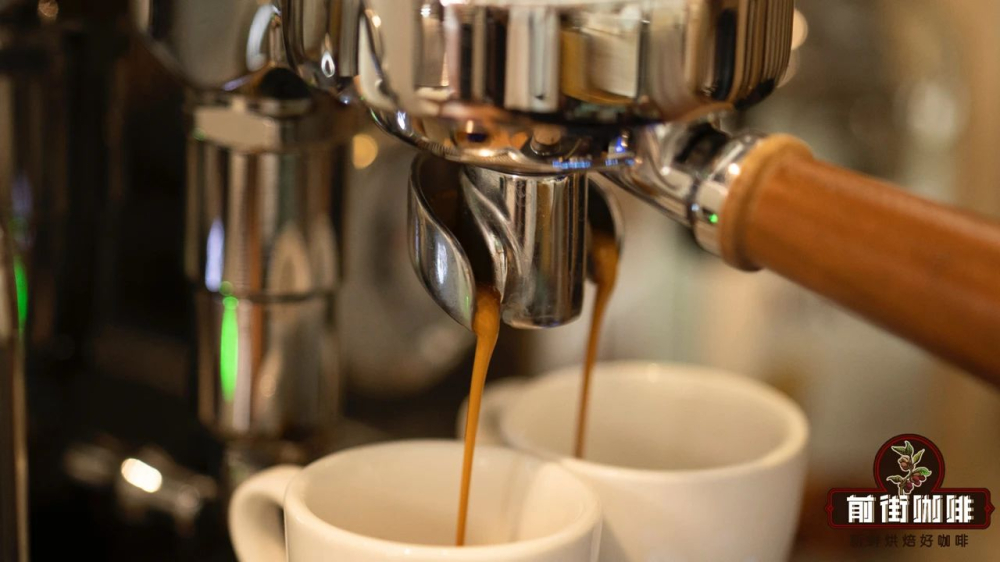
Traditionally speaking, Americano was often made via drip brewing in the past, while espresso was extracted under high pressure to produce a concentrated liquid with Crema (coffee foam). Nowadays, most cafés use espresso machines to first extract the espresso, then add hot or cold water as needed to make Americano. This method not only retains the rich base of espresso but also allows consumers to adjust the strength to their personal preference.
As for why many people are particularly fond of iced Americano, even developing a kind of “addiction”? This may be related to the way ice slowly dilutes the coffee—over time, the intense flavors of the espresso gradually become smoother yet still layered, creating a dynamic drinking experience. Additionally, the cooling effect of iced Americano combined with the caffeine boost makes it a go-to drink on hot days or when focus is needed.
In summary, whether you prefer the intensity of espresso, the balance of Americano, or the refreshment of iced Americano, understanding the extraction logic and parameter details behind these coffees can help you find the flavor that suits you best and enhance your appreciation while drinking.
The above content is compiled by CoffeeHunters, a coffee news website.


