







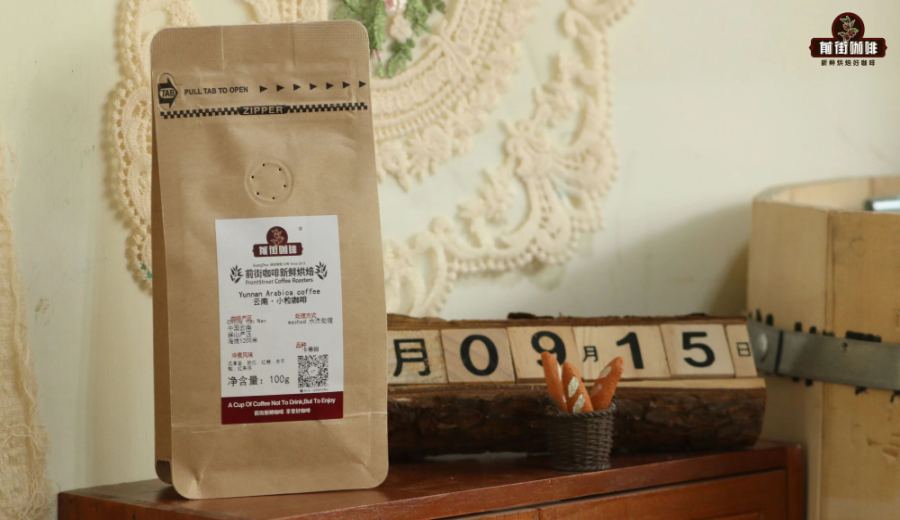
Introduction:Want to understand the true flavor and potential of Yunnan small-grain coffee? This article explores the growing environment and main cultivated varieties of the region, offering an in-depth analysis of Yunnan coffee’s unique flavor profile. It also recommends suitable beans for different brewing methods and provides a detailed breakdown of key parameters and techniques for V60 three-stage pour over brewing — helping you present the layers and characteristics of Yunnan coffee more precisely.
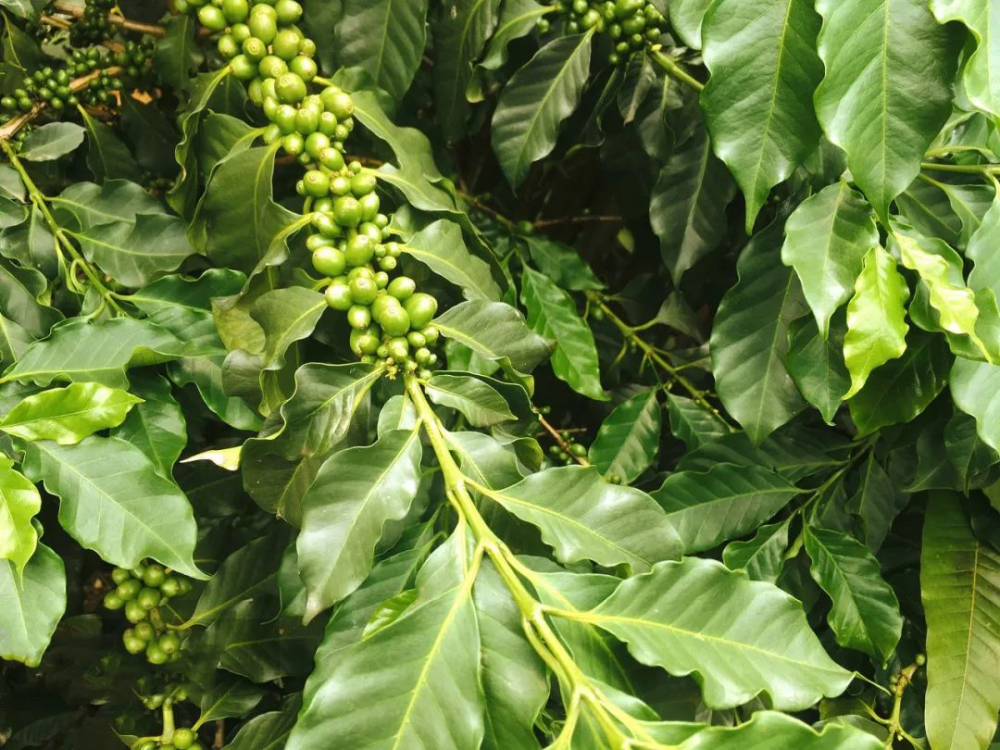
As China’s most representative coffee-growing region, Yunnan boasts a coffee cultivation history of over a hundred years. As early as 1904, a French missionary planted the first coffee trees in Zhukula Village, Binchuan County, Yunnan, marking the beginning of the development of domestic coffee in China. Today, Yunnan has grown into an important source of specialty coffee in the country, renowned for its small-grain Arabica varieties. Common cultivars in the region include Catimor, Typica, and Bourbon, with Catimor being the most widely planted.
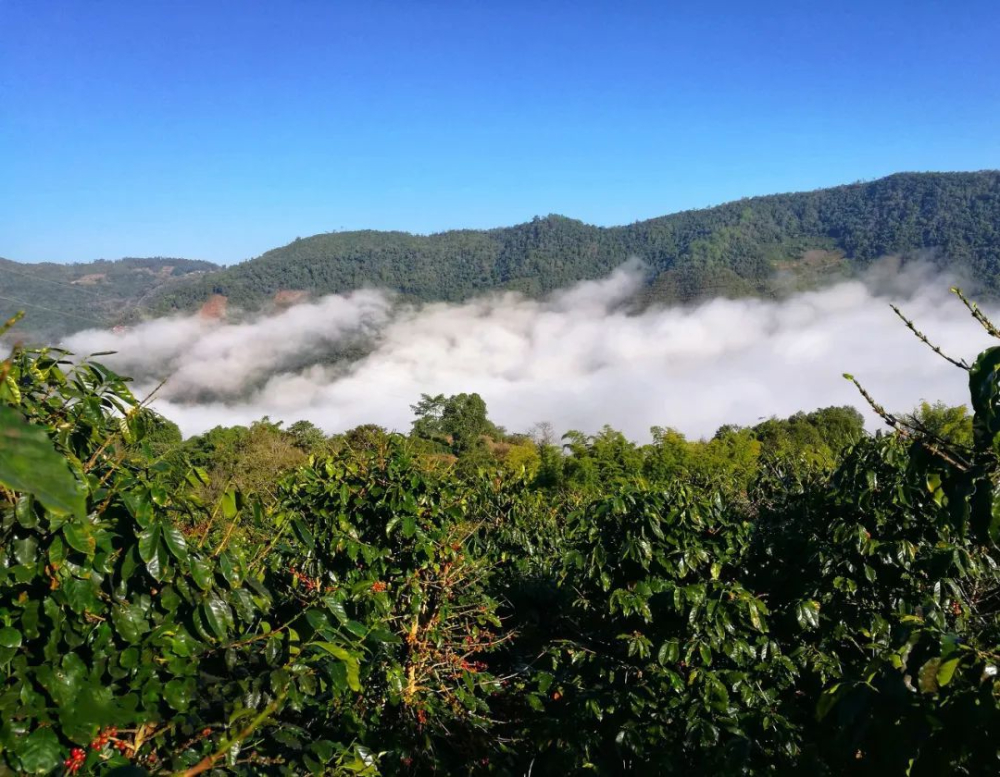
The term “small-grain coffee” is actually relative to the larger beans of the Robusta variety. Yunnan is located near the Tropic of Cancer and features extensive high-altitude sloped land above 1,000 meters, along with fertile red soil, concentrated rainy seasons, and moderate sunlight — conditions that are highly suitable for the growth of small-grain Arabica. Especially in high-altitude environments, the longer growth cycle of the coffee plants aids in the accumulation of flavor compounds, resulting in Yunnan coffee’s rich yet balanced unique character.
There is a diversity of varieties within small-grain coffee, among which Catimor is the most widely cultivated. It is a hybrid of Arabica Caturra and Robusta Timor, possessing excellent disease resistance and environmental adaptability. It doesn’t require shading and offers relatively stable yields. In addition, Typica and Bourbon are more commonly found in high-altitude specialty planting areas, delivering richer fruit acidity and aromatic layers. For enthusiasts who wish to gain a deeper understanding of Yunnan coffee, mastering this basic background is the first step toward appreciation and selection.
Is Yunnan small-grain coffee worth trying? The answer is yes, especially as planting and post-harvest processing techniques have improved in recent years. Its flavors have long surpassed the general impression of being just “affordable commercial beans.” Different processing methods and roast levels can deliver distinctly varied drinking experiences, allowing both those who prefer bright fruit acidity and those who favor rich sweetness to find suitable options.
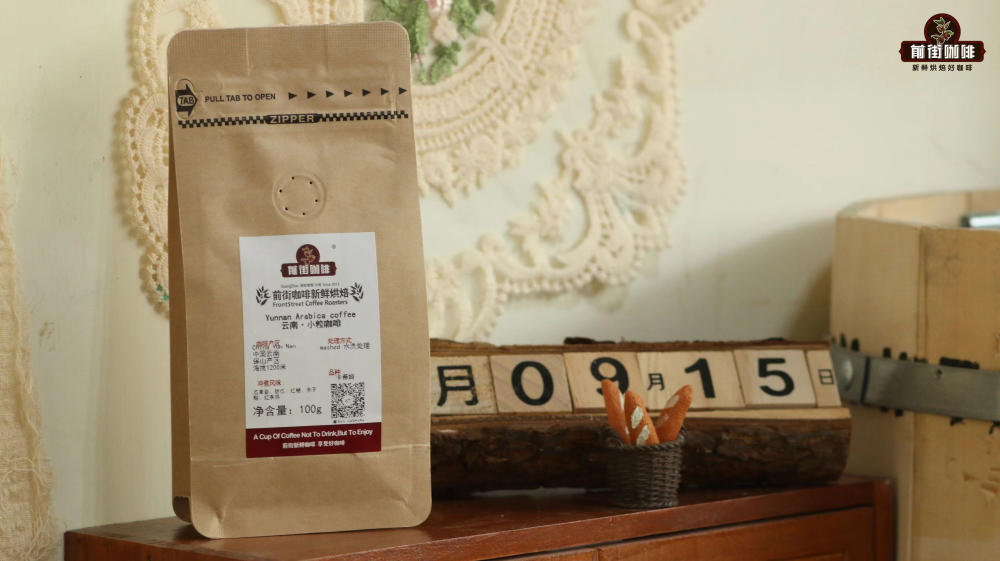
For brewing methods that emphasize detail such as pour over and cold brew, it is recommended to choose a 2013 Natural Typica. Grown in Lincang, Yunnan, at an altitude of about 1,300 meters, this bean undergoes natural processing that highlights the sweet-tartness reminiscent of dried apricots, a nutty base, and brown sugar sweetness, with a lingering hint of tea-like finish. It is well-suited for drinkers who enjoy bright acidity and complex aromas. If you are just starting out with pour over, Yunnan small-grain coffee (Catimor variety, washed process) from Baoshan is also a good entry-level choice, offering herbal, chocolate, and caramel notes, with a mild fruity acidity in the aftertaste. Its flavors are approachable and consistent.
For those who prefer a bold taste, especially for use in a moka pot or espresso machine, a basic espresso blend (combining Brazilian Red Bourbon and Yunnan AA) showcases a rich texture of chocolate, roasted nuts, and butter, with good crema performance. It is suitable for making milk coffee or pure black coffee.
From a cupping perspective, Yunnan small-grain everyday beans typically exhibit aromas of nuts, herbs, and brown sugar, complemented by the sweetness of melons and fruits as well as the acidity of plums. Overall, they achieve a balance of acidity, sweetness, and bitterness, with a soft and harmonious mouthfeel and a pronounced aftertaste. To fully showcase these characteristics, medium roasting is generally used, preserving acidity while enhancing the nuttiness and sweetness.
In actual brewing, controlling extraction yield is crucial. Over-extraction can easily lead to bitterness and astringency, while under-extraction results in flat flavors. It is recommended to use a medium-fine grind (using a Chinese standard No. 20 sieve, with approximately 75% extraction rate), water temperature around 90°C, and brewing with a V60 filter cone using a three-stage pour over method. This approach can fully highlight the layers and details.
The V60 filter cone, with its large-diameter outlet and spiral rib design, allows smooth water flow, helping to enhance flavor clarity and layering. Below are practical V60 three-stage pour over parameters and steps:
Prepare 15 grams of coffee grounds, place the filter cone on the server, and preheat. The first step is to pour 30 grams of hot water for blooming, lasting about 30 seconds, ensuring all coffee grounds are evenly wetted. It is recommended to use a small stream of water, slowly circling from the center outward.
The second step involves using a slightly larger stream of water to pour 120 grams, aiming to lift the coffee bed. The water stream should be vertical and steady. This stage is completed around the 55-second mark of total timing, with a total water volume of 150 grams.
Finally, when the liquid level drops to about half, proceed with the third pour. Using a small stream, pour 90 grams in small circles, being mindful to control the area to avoid disturbing the coffee bed excessively. The total water volume is 240 grams, with the overall extraction time around 2 minutes and 10 seconds. After extraction, gently remove the filter cone, swirl the coffee, and it’s ready to drink.
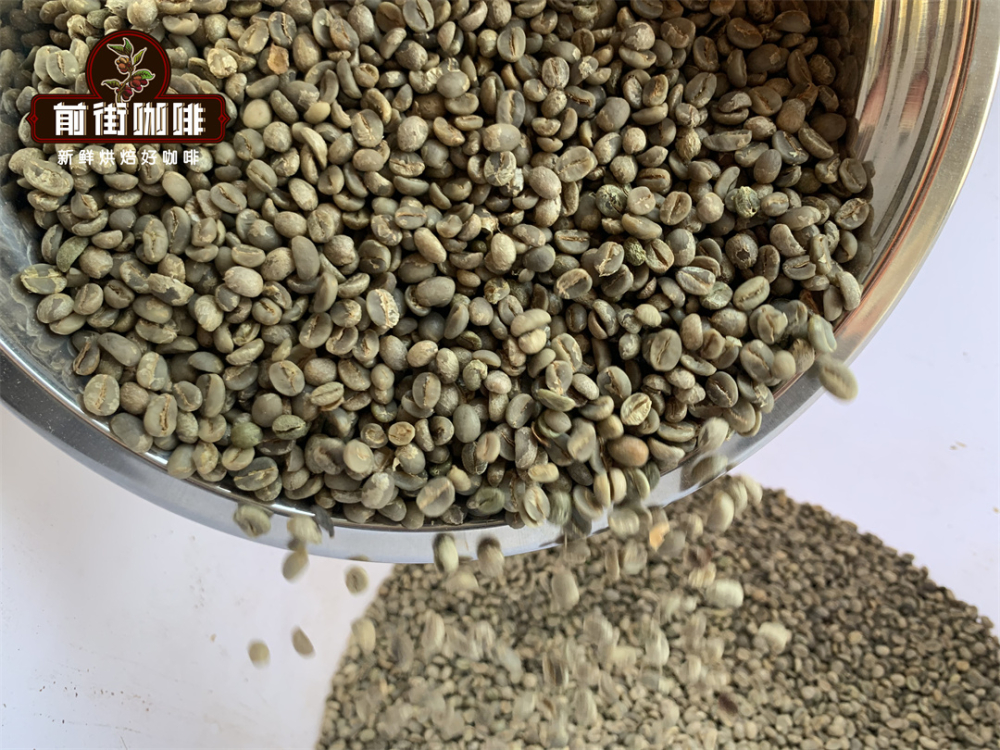
In summary, Yunnan small-grain coffee not only carries the history of China’s coffee industry but, with the support of modern refined cultivation and processing techniques, also reveals increasingly rich flavor potential. Whether you are a beginner pour over enthusiast or a seasoned coffee connoisseur seeking fresh beans, it’s worth trying for yourself. By using the right brewing method, you can uncover the unique charm of Yunnan coffee.
The above content is compiled by CoffeeHunters, a coffee news website.


