







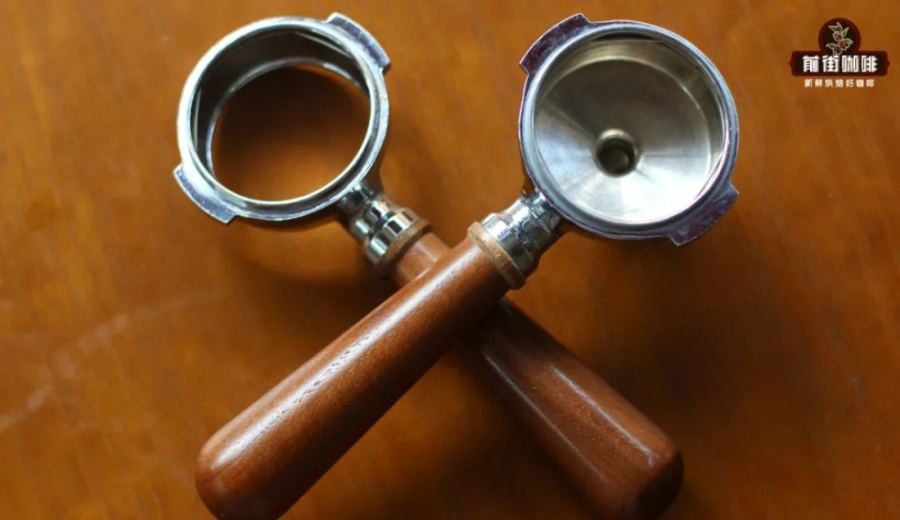
Introduction:When using a semi-automatic espresso machine, the choice of portafilter can have a subtle impact on coffee quality. Bottomless and spouted portafilters are two common types, each with distinct features in structure, operation, and observation. This article will provide a detailed comparison of their differences, analyze their respective pros and cons, and guide you through a real-world bottomless portafilter extraction process—helping you understand how to improve espresso extraction quality through visual judgment and parameter adjustments.
The portafilter is an essential accessory in a semi-automatic espresso machine, and the most commonly used types fall into two categories: one is the spouted portafilter, which has a closed bottom and a shower screen that evenly distributes extracted espresso into two cups, and the other is the bottomless portafilter, which has a completely open bottom, allowing direct observation of the condition at the base of the coffee puck. These structural differences directly affect the ease of observation and operational workflow for baristas during extraction.
The design of the spouted portafilter includes a small hole at the bottom, usually paired with a shower screen that distributes the extracted espresso evenly into two cups—making it suitable for scenarios requiring simultaneous service. However, due to its closed-bottom structure, it is difficult to observe the flow dynamics and potential channeling effects during extraction, which poses a limitation for baristas aiming for precise extraction.
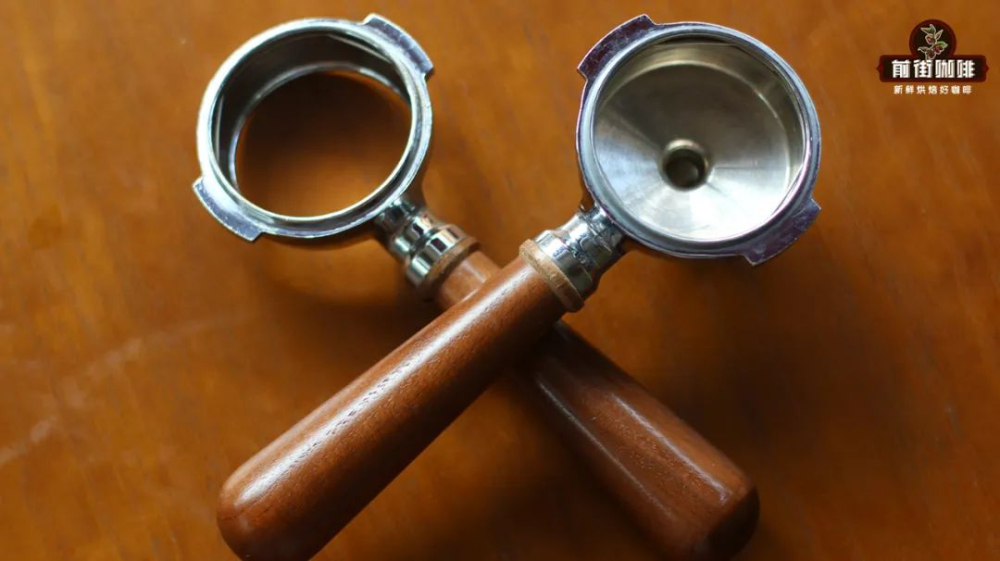
In contrast, the bottomless portafilter, with its completely open bottom, allows baristas to directly observe the coffee as it flows out of the puck—especially when channeling occurs, abnormal sprays may appear at the base of the puck, and these details can be observed in real time. This facilitates immediate adjustments to grind size, tamping pressure, or brewing pressure. Additionally, converting a spouted portafilter into a bottomless one is actually quite simple: just remove the metal bottom section, and you can achieve the same effect. This is also a common practice among many professional shops for custom modifications.
The advantage of the spouted portafilter lies in its shower screen design, which prevents coffee from splashing when directly poured into cups and can evenly split a single shot into two cups—ideal for fast-paced double-shot service. However, its disadvantages are also evident: first, the metal base of the spouted portafilter can absorb heat if not preheated, affecting brewing temperature and coffee flavor; second, due to its more complex structure, coffee grounds can accumulate between the basket and the base, and without regular and thorough cleaning, this may lead to off-flavors in subsequent extractions.
Although the bottomless portafilter lacks a shower screen, its greatest strength is visibility. Baristas can clearly observe the flow rate, streaming pattern, and crema formation of the espresso. Once uneven flow or obvious channeling is detected, quick adjustments can be made. Moreover, when crafting drinks like a Dirty that require layering effects, the lower height of the bottomless portafilter can better accommodate the limited space above some espresso machines’ group heads, avoiding issues where cups cannot fit properly.
However, the bottomless portafilter also has clear drawbacks. The most common issue is that during extraction, coffee can splash due to the lack of a bottom barrier, requiring extra attention to pouring angle and stability during extraction. Beginners may need some time to adapt in order to avoid wasting coffee grounds and maintain extraction quality.
Taking real-world operations as an example, many professional shops consistently opt for bottomless portafilters mainly because they provide more intuitive visual feedback during extraction. Below, we’ll use a classic blend coffee bean with rich crema as an example to demonstrate the full extraction process and parameter settings for espresso using a bottomless portafilter, helping readers gain a deeper understanding of practical operational details.
The espresso machine used in this session was the Feima E98, the grinder was the Galileo Q18, and the basket specification and extraction parameters were as follows: grind size approximately 2.1, coffee dose 19.5 grams, yield 35 grams, water temperature range set between 90–96°C, and brewing pressure maintained at 9±2 bar. This combination of parameters fully highlights the nutty and caramel notes of the blend, and forms a stable and rich crema layer.
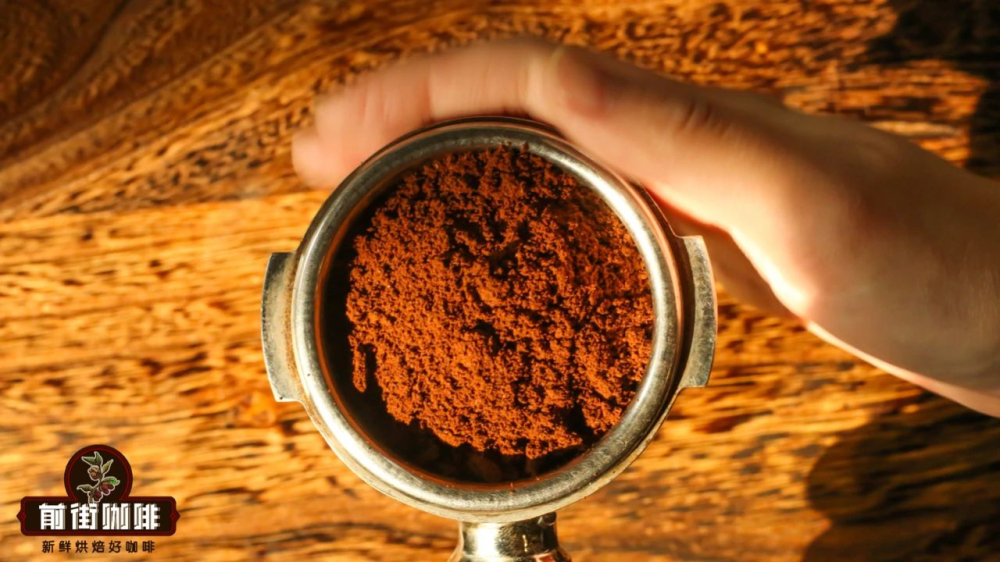
During operation, first start the espresso machine and wait for it to complete preheating, ensuring both the group head and portafilter reach a stable temperature. Next, grind freshly roasted coffee beans into a fine powder, fill them into the basket of the bottomless portafilter, and evenly level the coffee bed with your finger. Then, use a tamper to apply even vertical pressure, ensuring consistent puck density—a step crucial for stabilizing flow rate and preventing channeling.
Insert the tamped portafilter into the machine’s group head, confirm it is properly seated, and then begin extraction. Through the bottomless portafilter, you can clearly observe the flow rate and streaming pattern of the coffee as it exits the puck. If the flow is too fast or too slow, it may indicate the need to adjust grind size or tamping pressure. Once the espresso has been successfully extracted, you can observe the texture and color of the crema. The ideal state should be thick, velvety, and appear dark brown or hazelnut in color, with a noticeable sheen.
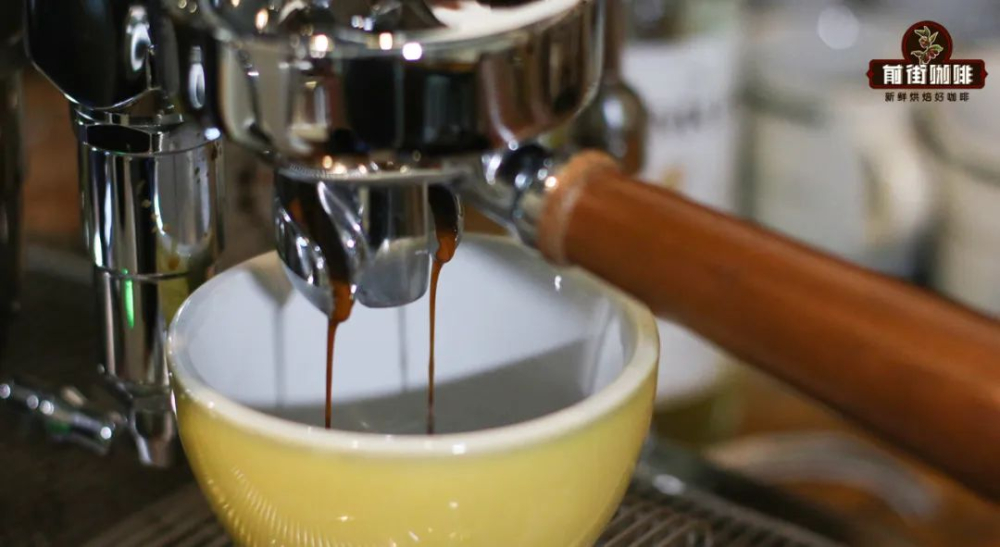
The espresso extracted in this session exhibited rich nutty and cookie-like aromas, with a thick and stable crema—both key indicators of a successful extraction. When this espresso was combined with fresh milk to make a latte, it not only delivered a smooth and creamy mouthfeel, but also allowed the layered flavors of the coffee itself to be clearly tasted, showcasing the quality control advantages of the bottomless portafilter.
In summary, both spouted and bottomless portafilters have their applicable scenarios and operational characteristics. If you value intuitive observation during extraction and the flexibility to adjust flavor profiles, the bottomless portafilter is the more suitable choice. However, if you frequently need fast service or prefer the convenience of a shower screen design, the spouted portafilter also holds irreplaceable value. Regardless of which type you choose, understanding its structural features and operational details is key to improving espresso extraction quality.
The above content is compiled by CoffeeHunters, a coffee news website.


