








Introduction:On hot summer days, an iced coffee can both invigorate and cool you down. But between Americano Iced, Cold Brew, Cold Drip, and Iced Pour Over, each has its own unique characteristics. Do you know the differences? This article details the brewing principles of these four major iced coffees, including key parameters such as coffee-to-water ratio, grind size, water temperature, and extraction time. It also analyzes their flavor profiles to help you find your perfect match based on personal taste preferences, along with practical recipe suggestions to easily recreate professional-grade iced coffee at home.
On sweltering summer days, a refreshing iced coffee is a favorite for many. Yet, the world of iced coffee is actually quite diverse — from Americano Iced, Cold Brew, Cold Drip, to Iced Pour Over, each method follows a unique extraction logic and presents different flavor characteristics. This article will take an in-depth look at how to make these four common types of iced coffee, covering everything from basic parameters like coffee-to-water ratio, grind coarseness, and water temperature control, to extraction time and final flavor direction. It will help you master the core techniques of each type, and choose the one that best suits your preferred taste — whether you lean toward bright, fruity acidity or rich, balanced body.
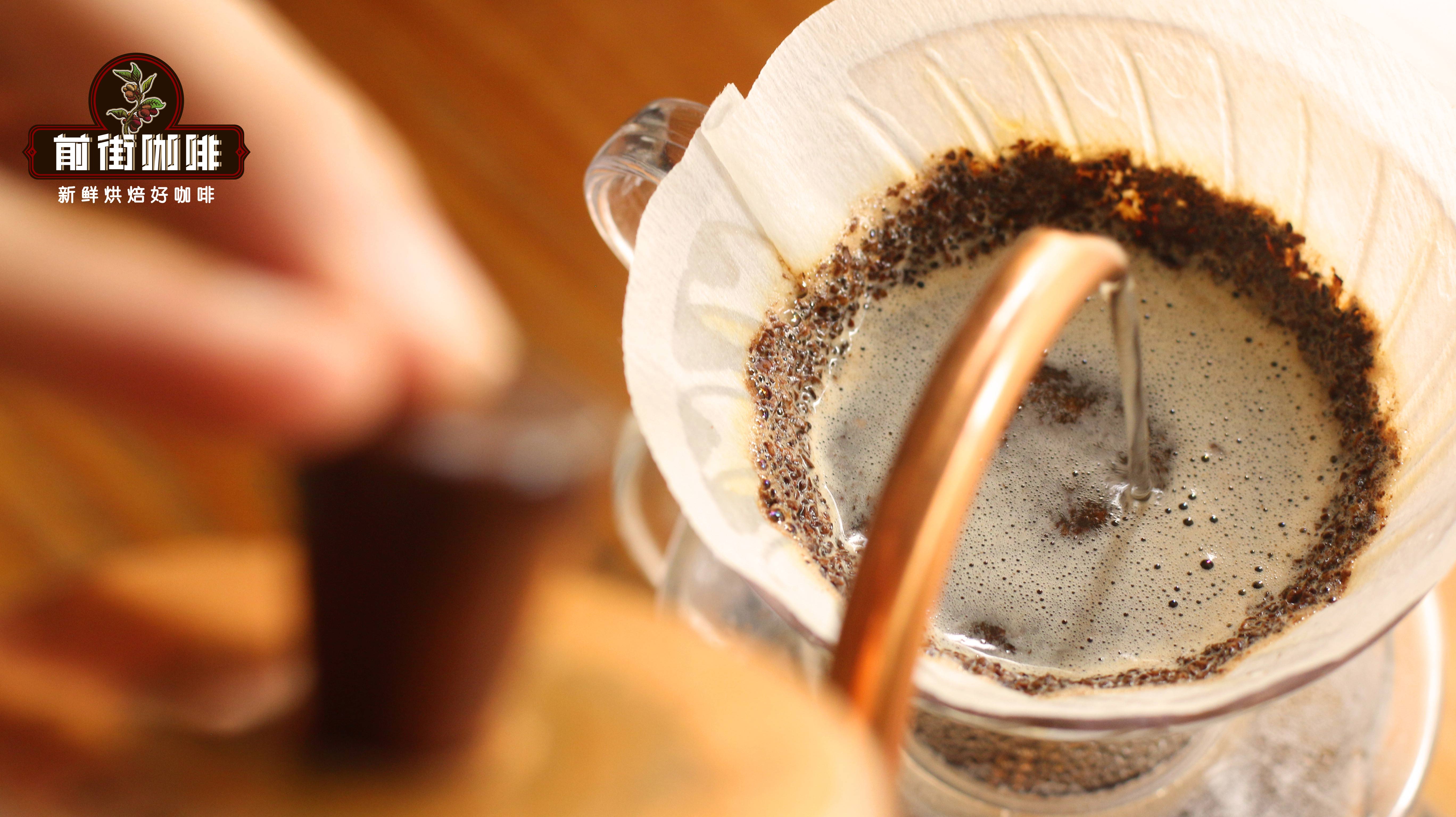
First up is Iced Pour Over, also known as Japanese-style Iced Pour Over. This method involves replacing the hot water used in traditional pour over with ice to lower the temperature. However, to avoid the coffee becoming too diluted and weak due to the ice melting, the coffee-to-water ratio is usually adjusted — extracting a more concentrated coffee liquid using less water, which is then poured over ice to gradually cool down. For example, using 15 grams of coffee, it’s recommended to adjust the grind size to be slightly finer than usual for hot pour over. For light roasted coffee, the grind size can be increased from 80% passing through a 20-mesh sieve during hot brewing to 85%. The coffee-to-water ratio is suggested to be set at 1:10, paired with a 1:5 ice-to-water ratio. Water temperature should be adjusted according to roast level — 90–93°C for light roast, and 87–89°C for medium-dark roast. After brewing, gently shaking the filter can help mix the ice and coffee liquid evenly, further cooling the brew while maintaining balanced flavors.
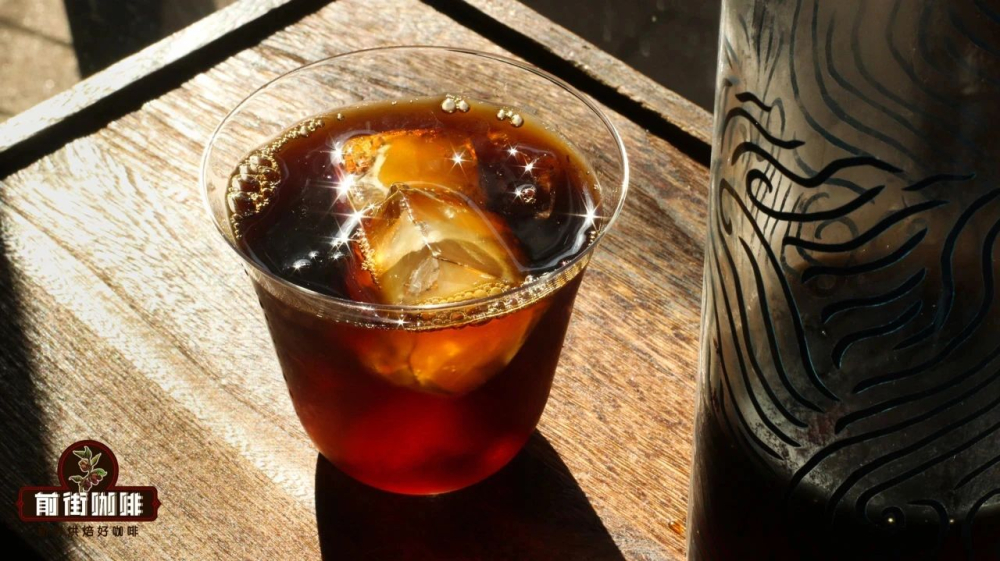
This method mainly extracts the mid-to-front compounds of the coffee, resulting in a typically clean, bright taste with distinct acidity that showcases the fruitiness and floral notes of the coffee. If you enjoy light-to-medium roasted beans with sweet and tangy profiles, Iced Pour Over is an excellent choice. It pairs well with beans that have prominent fruity aromas, such as those with floral characteristics or a juicy mouthfeel, both of which can shine through in this brewing style.
Next is Cold Drip, a method that requires considerable patience. Cold Drip involves slowly dripping ice water through a bed of coffee grounds, with the entire process often lasting 6 to 8 hours. This method can be seen as a low-temperature form of drip filtration. In practice, it’s recommended to use 60 grams of coffee to extract around 600 milliliters of coffee liquid — a coffee-to-water ratio of approximately 1:10. The grind size can be slightly finer than standard pour over, with around 85% passing through a 20-mesh sieve. The recommended ice-to-water ratio is 1:1, with a drip rate controlled via a valve, aiming for about 7 drops per 10 seconds. The overall extraction time falls between 6 to 8 hours, and after completion, it’s advisable to refrigerate the coffee for an additional 12 hours to allow the flavors to further mature.
Due to the long-duration, low-temperature extraction, Cold Drip captures more delicate small molecules — such as floral and fruity acids — while extracting fewer large molecules that cause bitterness and astringency. Coupled with the maturation process, Cold Drip coffee often carries a hint of fermentation aroma and a natural sweetness, with a rich yet gentle flavor profile. Using coffee beans with fruity or sweet characteristics can further highlight the unique charm of Cold Drip, offering a refreshing sensation reminiscent of fruit wine.
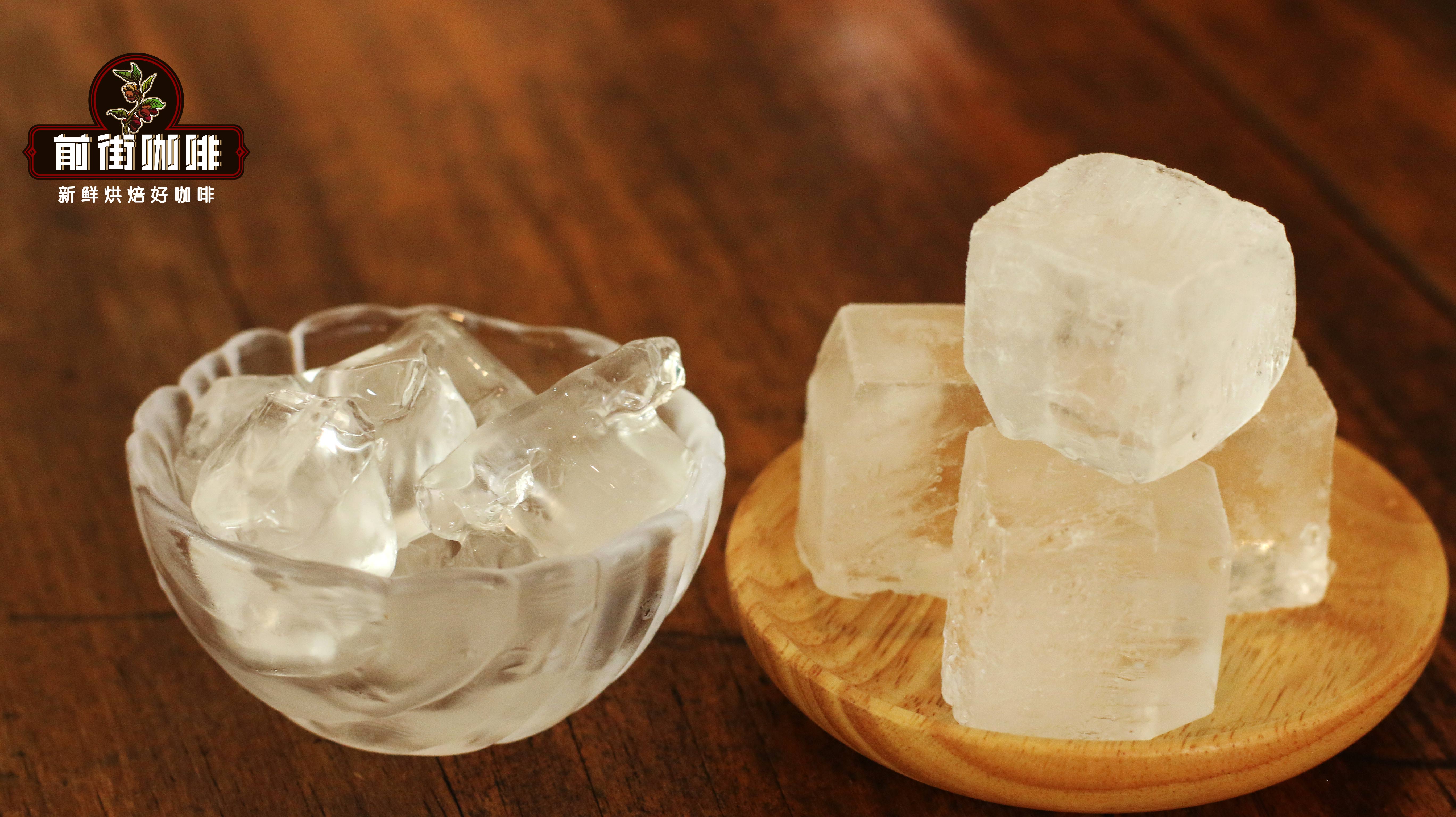
Cold Brew is a relatively simple and beginner-friendly method for making iced coffee. The process involves steeping coffee grounds in cold water (or an ice water mixture with added ice cubes) for a long period at low temperatures, followed by filtering out the coffee grounds to produce a clear and smooth Cold Brew liquid. A common formula uses 50 grams of coffee with a grind size where 85% passes through a 20-mesh sieve, combined with 400 milliliters of room-temperature water and 200 grams of hard ice cubes, totaling 600 grams of liquid — a coffee-to-water ratio of 1:12. It’s recommended to thoroughly stir the coffee grounds with water until evenly mixed, then seal and refrigerate for 12 to 24 hours. After extraction, filter the coffee grounds with paper, bottle the liquid, and refrigerate for about 4 hours before serving.
The taste of Cold Brew is generally fuller-bodied. Although not as clear as Cold Drip, it may exhibit a slight layer of crema on the surface. Overall, the flavor tends to be more balanced, with a good harmony between acidity, sweetness, and body, making it an ideal choice for those who prefer a smoother yet layered coffee experience.
Finally, there’s the familiar Americano Iced, a staple in many coffee shops. The key to making a great Americano Iced lies in choosing the right espresso beans and maintaining the correct coffee-to-water ratio. It’s recommended to use a dark roasted blend, which often features caramel, nutty, and chocolatey notes that remain robust even after being diluted by ice. Suggest setting the espresso-to-ice water ratio at 1:6, so the coffee remains refreshing while showcasing the richness of dark cocoa and a soft acidity. The overall balance is high, making it suitable for those who enjoy classic flavors or prefer their coffee served over ice.
Whether you prefer bright fruity acidity, bold dark chocolate notes, or a smooth and balanced coffee profile, these four iced coffee brewing methods can meet different tastes. Master their core parameters and flavor traits, and you’ll be able to craft the perfect iced coffee to suit any season or mood.
The above content is compiled by CoffeeHunters, a coffee news website.


