








Introduction:Many beginners who have just started trying pour over coffee often find that despite using high-quality beans and following the recommended steps, they still can’t achieve the desired flavor. The issue is usually not the difficulty of the technique, but rather those seemingly insignificant details. From cleaning before grinding, the fit of the filter paper, to pre-brew checks, water temperature control, and even observing the coffee bed—each of these steps can affect the final flavor profile. This article outlines nine common mistakes beginners make, helping you optimize step by step to brew more even and richer pour over coffee.
Many beginners often wonder: I bought the same beans as the café, followed the recommended method, so why does the flavor still fall short? In truth, the issue rarely lies in complex techniques, but in the easily overlooked small things. From pre-grinding preparation, how to use filter paper, to details like blooming and pouring, each step affects the overall flavor of the coffee.
Detail 1: Not “cleaning the grinder” before grinding risks flavor contamination

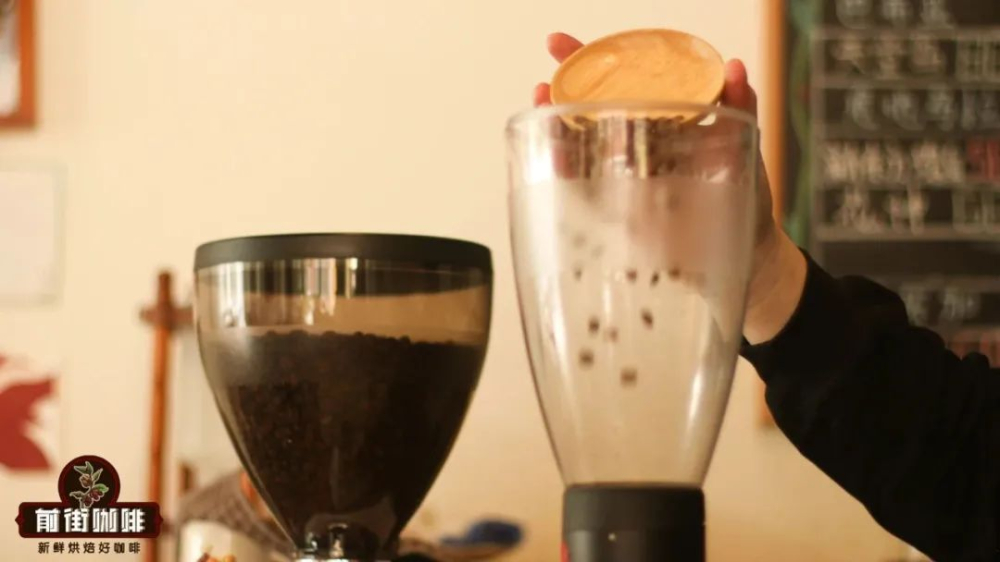
Whether you use a hand-cranked or electric grinder, a small amount of fine coffee grounds will always remain on the burrs after grinding. If not cleaned regularly, these residual grounds can oxidize, producing woody or rancid notes, which may then mix with freshly ground beans during the next grind, causing flavor contamination. To avoid this, it’s recommended to run a few coffee beans through the grinder before actual grinding to clear out old residue. Also, regularly cleaning your grinder can extend its lifespan.
Detail 2: Is dampening the filter paper enough? Fit is the key
Wetting the filter paper before brewing is a common step—it helps the paper adhere tightly to the brewer and also preheats the equipment. But many beginners only get the paper wet, neglecting the importance of ensuring it fully adheres to the inner wall of the filter.

If there’s a gap between the filter paper and the brewer, it can disrupt the release of gases during blooming and even interfere with certain design features (like the spiral ridges of a V60 or the curved channels of a KONO), thereby reducing extraction evenness and flow rate. It’s recommended to gently press the filter paper with your fingers after wetting to ensure full contact with the brewer.
Detail 3: Tapping too much after adding grounds leads to uneven distribution
To achieve an even coffee bed, many people gently tap or shake the filter after adding the grounds. But if done too forcefully or too often, it can cause fines to settle at the bottom, leading to a loose top layer and compacted bottom layer. This makes water penetration difficult and can even clog the flow toward the end. It’s best to pour grounds directly into the center, do so slowly, and then lightly shake to level the bed.
Detail 4: Pre-brew checks are essential to avoid basic mistakes
Even if you’re very familiar with your parameters, don’t skip the basic pre-brew checks. Make sure any remaining water in the server from rinsing the filter has been poured out, that there’s enough water in the kettle, and that the scale has been zeroed and the coffee weight remeasured—this avoids ending up with less coffee than intended due to the grinder retaining grounds.
Detail 5: Confirm water temperature and act quickly to avoid heat loss
Many beginners set the water temperature first, then get distracted, only to find the water has cooled by the time they start pouring. It’s best to leave confirming the water temperature as one of the last two steps before brewing. If using a kettle without temperature control, opt for water slightly hotter than your target temp, then begin pouring once it cools to the ideal range.
Detail 6: Uneven wetting during bloom leads to poor gas release and off-flavors
We typically use twice the coffee’s weight in water for a 30-second bloom, but this only works if all the grounds are evenly wet to allow proper degassing. Unsteady pouring can leave some areas dry while others are soaked, affecting overall gas release and subsequent extraction. If you can’t wet all grounds evenly with the usual amount, consider adding a bit more water (about 5–10g) to ensure effectiveness.
Detail 7: Inconsistent parameter execution makes troubleshooting useless
Before brewing, we usually set parameters like coffee-to-water ratio, water temperature, and grind size. If you don’t follow the plan precisely during brewing—such as deviating from the intended ratio—it becomes hard to determine which step caused flavor issues. It’s best to record your actual parameters each time and aim for accuracy, so you have reliable data for adjustments.
Detail 8: Focusing only on numbers, ignoring changes in the coffee bed
Many beginners focus too much on the scale readings during pouring, but overlook the actual state of the coffee bed. For example, as the bed rises, water might flow too quickly through the channels, resulting in under-extraction. Observe the bed’s condition and water flow throughout the pour—not just the numbers.
Detail 9: Drinking coffee without stirring results in muted flavor layers
Since different stages of extraction yield varying flavor compounds, drinking without stirring may lead to alternating sips of intense and weak flavors. Gently swirl the cup before drinking to blend the layers, allowing you to better appreciate the full flavor profile.
Mastering these details won’t instantly make your coffee ten times better, but it will help reduce instability, making it easier to identify why your coffee isn’t tasting right—whether it’s grind size, water temperature, ratio, or pouring technique—and adjust with clear direction.
The above content is compiled by CoffeeHunters, a coffee news website.


