








Introduction:Want to easily make a refreshing cold brew coffee at home? This article starts with the basics, explaining the differences between cold brew and traditional hot brewing, and revealing the nitrogen secret behind Starbucks Nitro Cold Brew. It also provides a practical home-brewing recipe, including precise coffee-to-water ratios, grind sizes, and refrigeration times, along with extraction tips based on different flavor preferences. Finally, it recommends five specialty coffee beans from renowned regions like Ethiopia and Kenya to help you craft unique iced brew flavors.
During the peak of summer, a chilled cold brew coffee is many coffee lovers' go-to choice for beating the heat. Compared to ice drip, which requires specialized equipment, or the more complex cold steeping methods, cold brew has a low barrier to entry—you only need to prepare the ingredients the night before and enjoy it the next day. But do you know what the fundamental differences are between cold brew and high-temperature pour over in terms of extraction logic? What technical highlights are hidden in the commonly seen Starbucks Nitro Cold Brew? This article will start with definitions, delve into the science behind cold brew, and share a practical home-brewing guide.

So-called cold brew coffee, as the name suggests, is an extraction method that involves steeping coffee grounds in cold water for an extended period. The standard practice is to mix finely ground coffee with cold water at a coffee-to-water ratio of 1:12 to 1:15. It’s recommended to use room temperature or a mixture of ice water (e.g., 400 ml of water with 200 g of ice), keeping the total liquid volume around 600 ml. The mixture is then sealed and placed in the refrigerator to steep, typically for 12 to 24 hours. For a stronger flavor, you can extend it up to 48 hours, but be cautious as over-extraction may result in overly heavy off-flavors.
The extraction principle of cold brew is fundamentally different from that of traditional hot brewing.A low-temperature environment can effectively suppress the release of caffeine and tannic acid, reducing bitterness; meanwhile, the extended steeping time allows the sugars and acidic compounds in the coffee to fully dissolve, resulting in a rich and layered flavor. Empirical data shows that when coffee grounds of the same grind size are extracted in room temperature water, the release of acidic compounds is about 30% lower than in 90°C hot water—this is the main reason why cold brew has a fresher flavor.
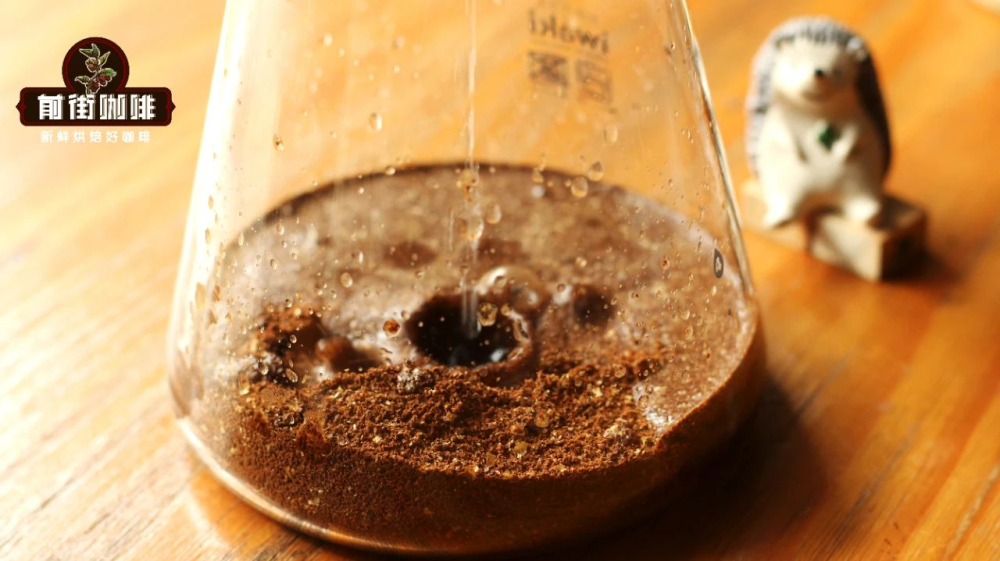
When it comes to star products in the commercial market, Starbucks’ Nitro Cold Brew deserves special attention. This beverage is infused with food-grade nitrogen on the basis of cold brew coffee, creating a fine bubble structure in the liquid.The incorporation of nitrogen not only gives the drink a creamy texture similar to black beer, but also reduces surface tension, making the coffee flow more smoothly. Consumer feedback indicates that the sweet perception of the nitrogen-infused version is on average 15%-20% higher, but it suits those who prefer a richer body, while it might feel slightly heavy for those seeking a refreshing flavor.
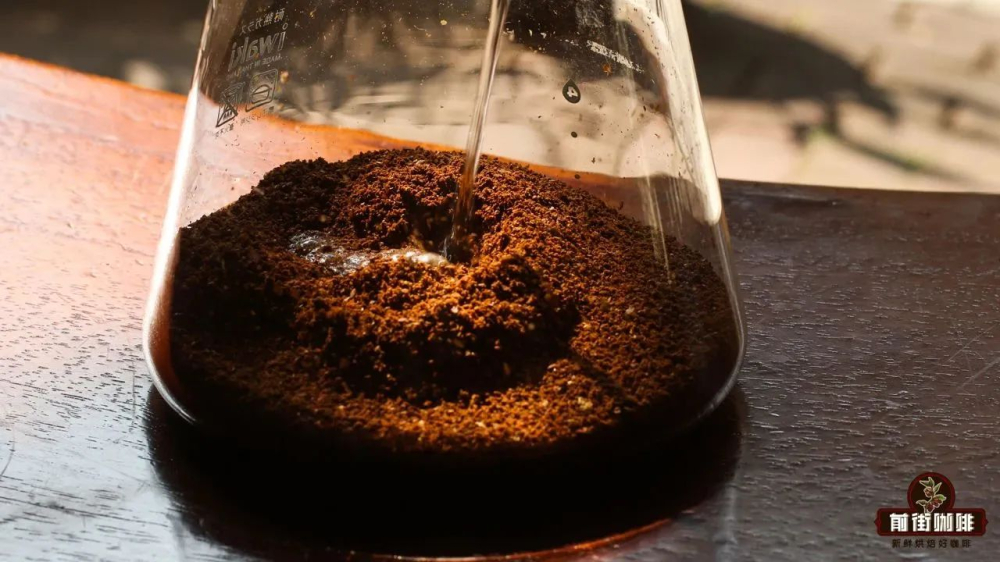
Making cold brew at home is actually quite simple. Taking a common base of 50 g of coffee grounds as an example, it’s recommended to use medium-light roasted single-origin beans, with the grind size adjusted to be slightly finer than pour over (about 85% of particles passing through a #20 sieve). This setting helps cold water extract flavor compounds more effectively.Key steps include: placing the coffee grounds and ice water mixture into a sealed glass container, gently stirring with the back of a spoon until evenly mixed, ensuring full submersion, and then refrigerating. In terms of timing, 12 hours yields a basic version, 18–20 hours is the flavor sweet spot, and if going beyond 24 hours, it’s advised to add an extra layered filtration step to ensure purity of taste.
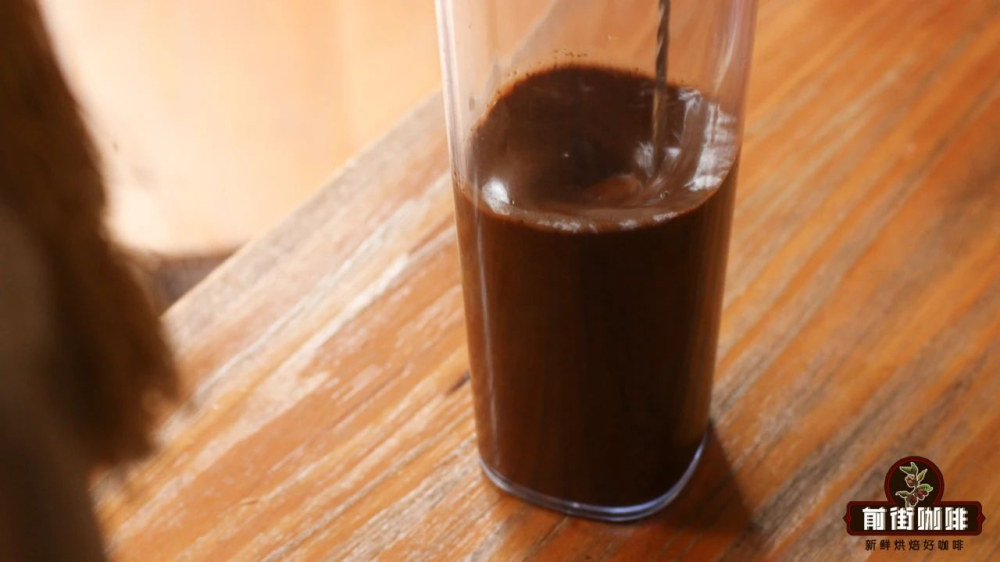
Regarding adjustment of steeping time, it can be flexibly varied based on personal taste. Those who prefer a refreshing style can shorten it to 12–14 hours, where the coffee's acidity is brighter; those who like a strong fermented character can extend it beyond 24 hours, but note that for every additional 2 hours, it’s suggested to add an extra 10% water to adjust concentration. If noticeable sediment appears during the process, consider using a cloth filter or double filtering with a French press to ensure clarity in the final product.
Bean variety selection significantly impacts cold brew flavor. It’s recommended to prioritize medium-light roasted single-origin beans, as these can showcase a richer range of fruity acidity and floral notes. Practical tests have found that coffee beans grown at altitudes above 1500 meters, due to their higher density, can release more premium aromatic compounds during cold brewing. Here are five high-performing bean varieties that have been validated by the market:
1. Ethiopia Yirgacheffe Sun-Dried Red Cherry(Region: Yirgacheffe | Elevation: 1700–2200m | Variety: Heirloom | Process: Natural) Offers distinct berry sweetness and a honey finish. After cold brewing, it presents a prominent layered profile, ideal for those who prefer fruity aromas.
2. Kenya Assaliya(Region: Thika | Elevation: 1550–1750m | Variety: SL28/SL34 | Process: K72 Washed) Delivers tomato-like acidity and plum-like aftertaste. The washed process enhances cleanliness, and the chilled taste is even more refreshing.
3. Panama Geisha Flower Butterfly(Region: Boquete | Elevation: 1600m | Variety: 70% Geisha hybrid | Process: Washed) Presents citrus tones and oolong tea nuances, with the Geisha proportion ensuring prominent floral expression.
4. Costa Rica Mozart(Region: Tarrazú | Elevation: 1980m | Variety: H1 | Process: Raisin Honey) Centers on raisin sweetness, with the honey process adding a rich base.
5. Honduras Sherry(Region: Masaguara | Elevation: 1500–1700m | Variety: Catuai hybrid | Process: Whiskey Barrel Fermentation) Contains whiskey aromas and vanilla cream textures, perfect for adventurers seeking unique flavors.

There are several common pitfalls to watch out for during the brewing process: avoid using metal containers in prolonged contact with coffee liquid (which may cause oxidation), don’t grind too coarsely (which can lead to under-extraction), and maintain a stable refrigeration temperature (ideally around 4°C). After extraction, it’s recommended to transfer the coffee liquid to a sealed bottle and refrigerate for another 4 hours, which helps integrate flavors and stabilize the taste.
Based on comprehensive practical experience, the key to successful cold brew coffee lies inthe precise balance of three elements: 'time, temperature, and grind size'. Beginners are advised to start with an 18-hour base recipe, then gradually adjust each parameter to find their ideal flavor. Whether enjoyed straight or used as a cocktail base, homemade cold brew coffee can deliver a uniquely satisfying drinking experience.
The above content is compiled by CoffeeHunters, a coffee news website.


