







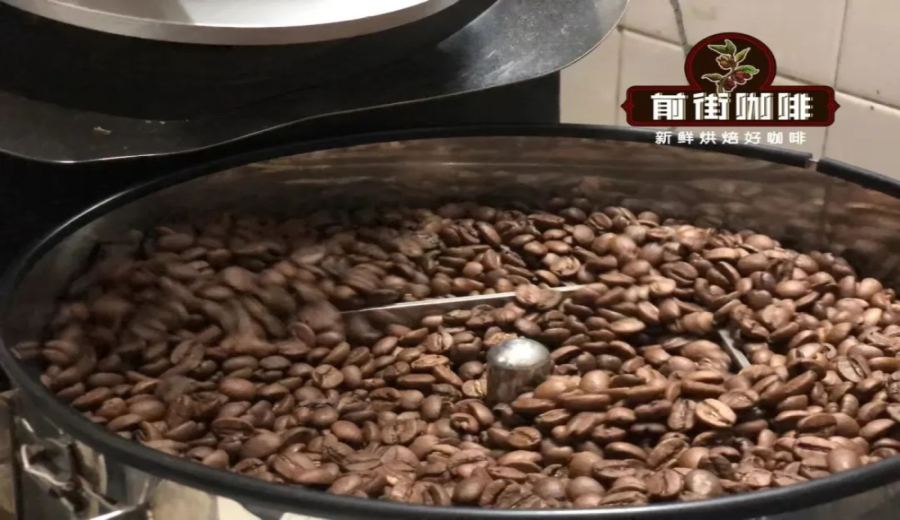
Introduction:Want to uncover the secrets of coffee roasting? This article delves into how to judge the dropping time based on the "first crack," and uses the industry-standard Agtron color value system to divide roast levels into eight precise grades — including light, medium, city, and espresso roasts — while also explaining the correlation between Roasting percentages and color values. Whether you're a pour over enthusiast or a beginner exploring roasting, you'll gain key insights into selecting and understanding coffee beans.
In the world of coffee, roasting is arguably one of the most critical steps in determining flavor. Among these, the "first crack" is a major turning point in assessing the roasting process. The first crack refers to the stage when internal moisture and gases within the coffee bean rapidly expand under high heat, causing the bean to crack open and emit a crisp sound. Once the first crack begins, it means the beans have reached the "ripeness" threshold, and the timing of dropping the beans thereafter will directly affect the final roast level and flavor profile.
Generally speaking, the closer the dropping time is to the initial stage of the first crack, the lighter the roast will be; conversely, if you delay until the second crack or even later, the roast level will be relatively darker. Therefore, mastering the sound changes and timing of the first crack is the first step for every coffee lover to understand roast degree.
To make the distinction of roast levels more precise and scientific, the industry widely adopts the Agtron color value system for evaluation. This system uses infrared measurements of the bean surface and ground powder reflectance to subdivide roast levels into eight main grades, each corresponding to a specific set of numerical values and flavor characteristics.
First is the lightest "Light Roast", with an Agtron color value of95, typically dropped during the most intense part of the first crack when beans are continuously popping. This type of coffee often exhibits bright acidity, with a fresh flavor that may carry floral or citrus notes, making it ideal for those who prefer a clean and refreshing taste.
Next is "Cinnamon Roast", with an Agtron color value of85, dropped just after the first crack ends or when only sporadic cracking sounds remain. At this stage, the coffee's acidic brightness still dominates, but it begins to develop some sweetness, with gradually richer flavor layers, often used to showcase the bean’s inherent characteristics.
"Medium Roast" has an Agtron color value of75, usually dropped after the first crack has completely ended and the popping sounds have subsided. At this point, the coffee starts to show sweetness, with relatively softened acidity and subtle fruity notes, making it a preferred roast level for many balanced-flavor coffees.
When entering "Dark Roast", with an Agtron color value of65, the dropping time is around the quiet period before the second crack — roughly one to two minutes after the first crack ends. This stage of coffee is dominated by nutty and caramel aromas, with acidity almost disappeared, offering a round and full-bodied mouthfeel, suitable for those who enjoy rich yet balanced flavors.
"City Roast" has an Agtron color value of55, typically dropped when the second crack just begins, with sparse and faint popping sounds appearing. At this point, the bitterness of the coffee starts to increase, and caramel and chocolate aromas become more pronounced — it’s the base roast level for many classic espresso blends.
Going further down is "Full City Roast", with an Agtron color value of45, dropped just before the second crack becomes dense. This level of roast already falls into the dark roast category, with intense flavors and a distinct bitter-burnt tone, suitable for making espresso or for consumers who prefer bold flavors.
"French Roast" has an Agtron color value of35, dropped during the dense phase of the second crack, where the popping sounds are lower-pitched and continuous compared to the first crack. A slight amount of oil begins to appear on the bean surface, and the flavor is dominated by deep-roasted smokiness and charred notes, making it suitable for producing strong espressos.
Finally, there is "Italian Roast", with an Agtron color value of25, dropped after the second crack has completely ended. The beans appear pitch-black and glossy, with visibly rich surface oils. These coffees typically have extremely intense bitterness and a strong roasted aroma, making them a classic choice for espresso.
Besides Agtron color values, some roasters also use "Roasting Percentages" to indicate roast levels. This system shares the same logic as the Agtron color values — for example, Roasting 95% is equivalent to Agtron 95, which corresponds to a light roast; Roasting 85% aligns with Cinnamon Roast, Roasting 75% with Medium Roast, Roasting 65% with Dark Roast, and so on. Understanding these numerical correlations can help consumers more intuitively judge the roast characteristics of their coffee beans.
The above content is compiled by CoffeeHunters, a coffee news website.


