







Introduction:Want to dive deeper into the world of Italian coffee? From the foundational Espresso to variations like Ristretto and Lungo, and popular milk-based coffees such as Cappuccino, Latte, and Macchiato, each coffee type has its own definition, extraction parameters, and flavor characteristics. This article provides a comprehensive overview of ten classic Italian-style coffees, detailing their brewing steps and techniques to help you easily grasp the logic behind their preparation and how to recreate them at home.
Italian Espresso (Espresso) is considered the foundation of many coffee beverages. Whether using any type of coffee beans, dark or light roast, they can all serve as ingredients for Espresso. However, around Espresso, there are also derived “relatives” such as Ristretto, Lungo, Doppio, Americano, along with milk coffee and dessert variations like Cappuccino, Latte, Flat White, Macchiato, Cortado, and Affogato—often leaving people puzzled. This article systematically introduces the definitions, extraction settings, and flavor profiles of ten common Italian-style coffees, while also providing step-by-step brewing processes for the Cappuccino family and other popular styles, allowing you to fully understand the diverse world of Italian coffee at once.
The Espresso Family
1|Espresso (Italian Espresso)
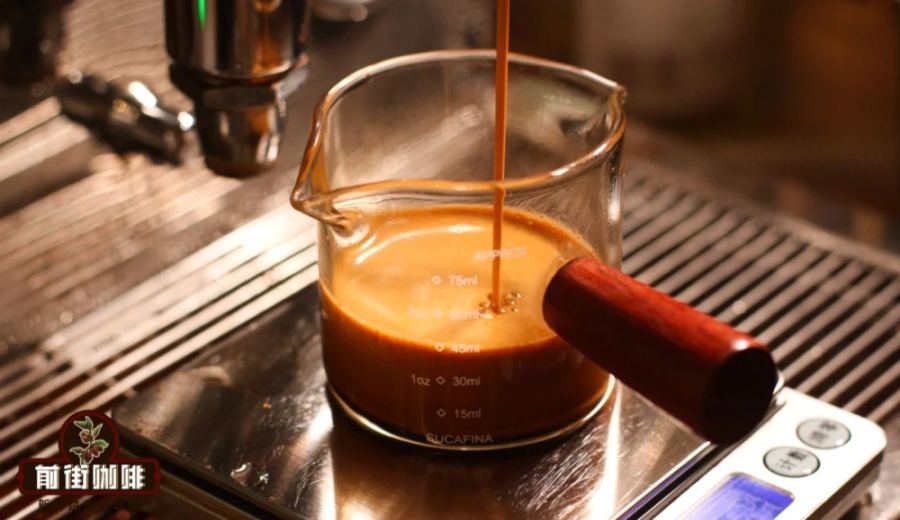
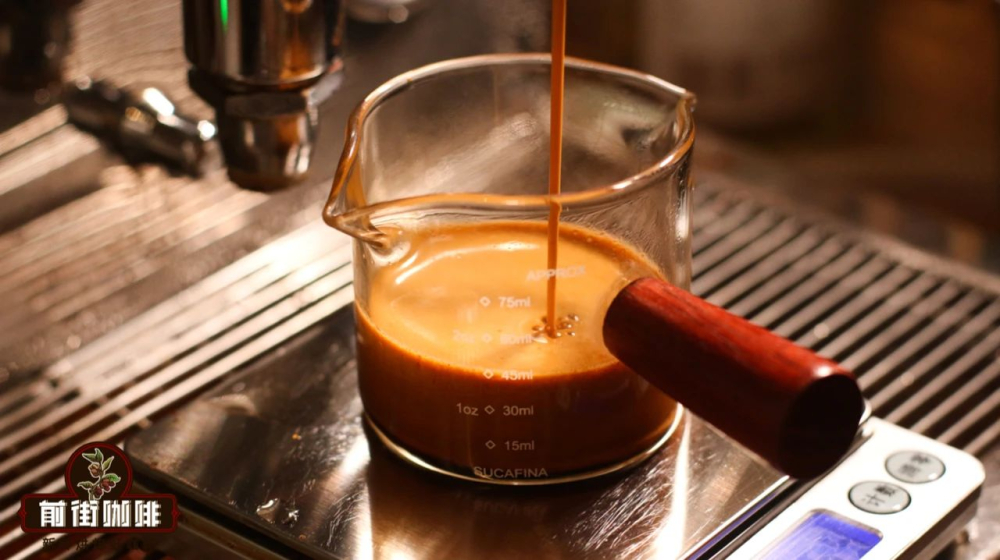
Espresso in Italian means “fast,” and it is made through high-pressure, short-time extraction. The standard method uses 18 to 20 grams of coffee grounds, water temperature around 90–92°C, under nine atmospheres of pressure, extracting about 25–30 milliliters of rich coffee liquid in 20 to 30 seconds. Due to the instability of the crema (coffee foam layer), Espresso has an extremely short optimal drinking window; its taste can deteriorate quickly if left too long, and it is customary in Italy to finish it within 25 seconds.
2|Ristretto (Short Shot Espresso)
Ristretto usually uses a similar coffee dose as Espresso, but with slightly finer grind and almost unchanged extraction time, resulting in about half the liquid volume of Espresso—it could be called the “little brother” of Espresso. Although it is smaller in volume, its body and aftertaste sweetness are relatively less pronounced, yet the flavor is more intense and concentrated, with a stronger finish and more vivid taste profile.
3|Lungo (Long Shot Espresso)
Lungo’s name comes from the Italian word for “long,” referring to extended extraction time. To avoid over-extraction, the grind is typically adjusted coarser and the flow rate increased, with extraction time exceeding 30 seconds and liquid volume reaching around 60 milliliters. In professional terms, Lungo is a type with “lower concentration but higher extraction yield,” often exhibiting the richest crema in the Espresso family.
4|Doppio (Double Espresso)
Doppio means “double,” which is essentially two shots of Espresso, also known as Double Espresso, suitable for those who enjoy a stronger coffee impact.
5|Americano (American Coffee)
Americano originated during World War II when American soldiers in Europe found Espresso too strong, so they added hot water to dilute it, creating today’s Americano. The common method is to pour hot water into Espresso, but this process breaks the crema protective layer, making the overall flavor lighter.
6|Long Black (Long Black Coffee)
Long Black comes from Australia and New Zealand. Like Americano, it involves adding water to Espresso, but the method is reversed: hot water is poured into the cup first, then Espresso is added, preserving the full crema. The water to Espresso ratio is about 2:1, and the flavor layers are more distinct and intense than Americano.

Just by adjusting grind size, extraction time, and liquid volume, Espresso can yield drinks with vastly different flavors, showcasing the richness and subtlety of the coffee world.
The Cappuccino Family and Other Classic Milk Coffees
1|Cappuccino (Cappuccino)
Cappuccino is one of the most iconic milk coffees, combining velvety milk foam with the aroma of Espresso, and is widely loved. Its name is said to derive from the cloak color of 17th-century Franciscan monks. The standard method is as follows:
1. Use a coffee cup to extract a single shot of Espresso (about 15–45 milliliters).
2. Froth 150 milliliters of milk in a 300-milliliter steel pitcher to create thick, slightly coarse milk foam.
3. Pour the milk foam together with the milk into the Espresso to complete.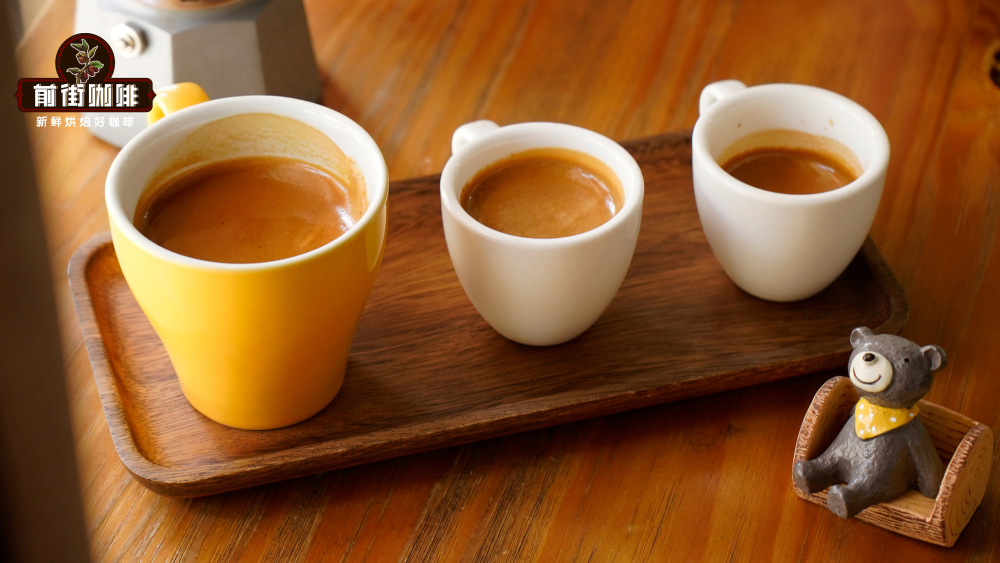
2|Flat White (Flat White)
Originating from Australia and New Zealand, it is considered a Cappuccino with thinner milk foam, typically using a double shot of Espresso, highlighting the coffee flavor more. When making it, pay attention to producing finer, denser milk foam with less airiness:
1. Extract a double shot of Espresso.
2. Froth 150 milliliters of milk in a 300-milliliter steel pitcher, adjusting the steam wand angle to reduce bubbles and create fine milk foam.
3. Pour into the Espresso to finish.
3|Babyccino (Babyccino)
Caffeine-free, designed specifically for children, consisting only of warm milk and milk foam, often sprinkled with cocoa powder for fun. The method of making it is:
1. Froth milk foam from 150 milliliters of milk (heat slightly lower than regular milk coffee).
2. Pour into a cup and sprinkle cocoa powder.
4|Caffè Latte (Latte)
Latte in Italian means “coffee with milk.” Similar to Flat White but larger in volume and with thinner milk foam:
1. Extract a single or double shot of Espresso.
2. Froth 250 milliliters of milk in a 600-milliliter steel pitcher, achieving soft and velvety milk foam.
3. Pour into the Espresso to complete.
5|Latte Macchiato (Latte Macchiato)
Different from a regular Latte, this version involves pouring Espresso into a cup already containing milk foam, creating a beautiful layered effect. A transparent, large cup is used to observe the layering.
6|Macchiato (Macchiato)
Macchiato means “stained” or “marked,” requiring only one to two spoonfuls of milk foam added on top of the Espresso as a mark.
7|Cortado (Cortado)
Originating from Spain, the concept is to “cut” the Espresso with a small amount of milk. The modern version resembles a small Cappuccino, with a ratio of 2/3 coffee and 1/3 milk.
8|Affogato (Affogato)
A creative dessert drink combining Espresso and ice cream. The method is simple yet dramatic: place the ice cream first, then directly pour hot double Espresso over it.
9|Café au Lait (Coffee with Milk)
A French classic, combining drip coffee with hot milk, offering a mild flavor suitable for everyday enjoyment.
10|Irish Coffee (Irish Coffee)
A unique cocktail coffee combining coffee, whiskey, and fresh cream. The layer of fresh cream on top is not recommended to be stirred, preserving its distinctive flavor layers.

The above content is compiled by CoffeeHunters, a coffee news website.


