







Introduction:Indonesian Sumatra Golden Mandheling is one of the world’s most renowned specialty coffees, beloved by pour over enthusiasts for its unique full-bodied flavor and spicy notes. This article delves into the grading standards of PWN’s triple-hand-sorted G1-grade Mandheling, the Indonesian wet-hulled processing method, the flavor profile of this coffee variety, and optimal brewing parameters. It also provides a reference for in-store pour over pricing to help you recreate a professional-grade cup at home.
Indonesia is not only the largest coffee producer in Southeast Asia but also an important player in the global specialty coffee scene. Among its offerings, Mandheling coffee from the island of Sumatra stands out with its rich, full-bodied taste and vibrant spicy character, making it a top choice for coffee lovers who prefer deeper flavor profiles. Among the various types of Mandheling, Golden Mandheling is especially favored in the market for its rigorous selection process and consistently high quality.
Located near the equator, Sumatra has a unique geographical environment dotted with active volcanoes. The volcanic ash soil is rich in minerals, providing natural nourishment for coffee cultivation. Coupled with the microclimates formed in high-altitude areas—where the rainy season is concentrated and precipitation is abundant—the conditions are ideal for robust coffee tree growth and fully matured, plump fruits. The island is primarily divided into two major premium producing regions: Lintong Mandheling, centered around Lake Toba, and Aceh Mandheling, developed around Lake Tawar. These two regions are often referred to as the “Two Lakes, Two Mandhelings” and are key representatives of Indonesia’s specialty coffee.
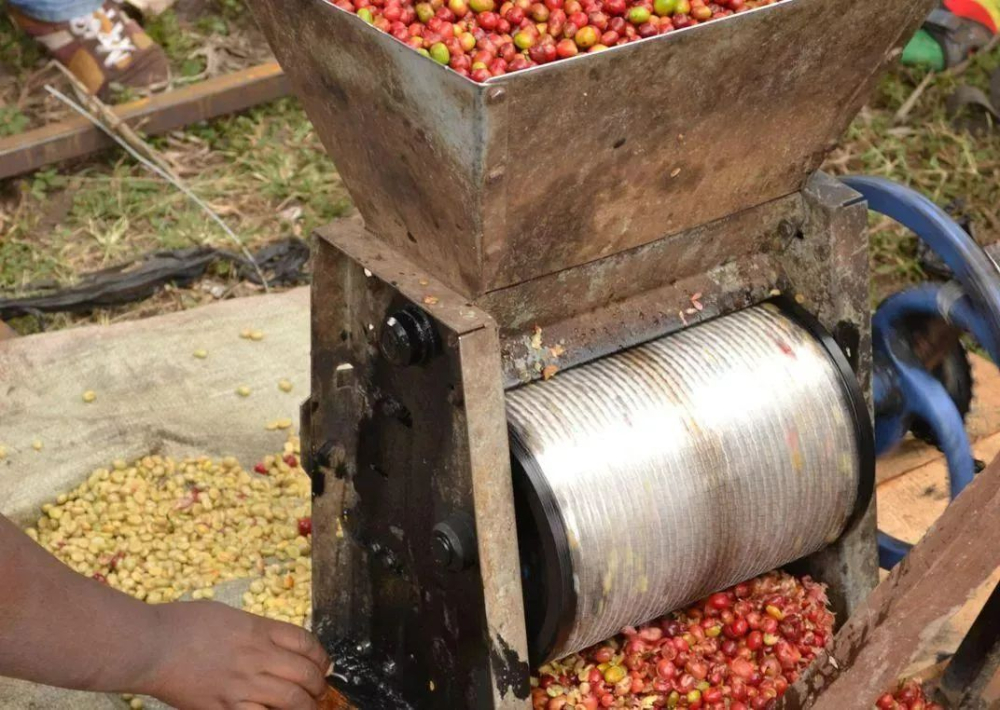
The flavor characteristics of Indonesian coffee are inseparable from its unique wet-hulled processing method. Due to the tropical rainforest climate—with high humidity and frequent typhoons throughout the year—coffee farmers find it challenging to employ long periods of sun drying or meticulous washed processing methods as in other regions. The wet-hulled method involves removing the skin and pulp, followed by a short fermentation period, initial sun drying until the beans reach a semi-dry state, then removing the parchment layer before completing the remaining drying process, ultimately achieving a moisture content of around 12%. This method, carried out in relatively high humidity and with the parchment layer removed early, allows the green beans to easily absorb moisture from the air, thereby imparting distinctive woody, herbal, and spicy notes. The Lintong Mandheling used here also employs the wet-hulled method. After roasting, it exhibits low acidity, pronounced body, and distinct herbal and spicy aromas, making it highly suitable for consumers who enjoy a bold flavor profile.
The reason Golden Mandheling is called “golden” lies not only in its outstanding flavor but also in its strict grading and selection system. In Indonesia’s coffee grading system, the primary basis is the number of defective beans, supplemented by bean size. Generally, specialty coffee requires no live insects, no mold, no off-flavors, a moisture content not exceeding 12.5%, and impurity rates below 0.5%. Based on the ratio of defective beans, coffee beans are categorized into six grades from highest to lowest, with G1 being the highest grade, requiring no more than 11 defective beans in a 300-gram sample. PWN (PT. Perkebunan Nusantara), a well-known Indonesian green bean purchaser and processor, goes a step further by performing triple manual hand sorting on top of the G1 grade, further eliminating beans with visual defects or underdeveloped quality to ensure each bean meets even higher standards.

Looking at the PWN Golden Mandheling sourced from a certain supplier, its jute sack packaging clearly indicates the words “Triple pick” and “GRADE 1,” signifying that these beans not only meet the G1 grade but have also undergone three rounds of manual selection. The brand also employs machines to sort by density and color before packaging, ensuring uniform, bright beans and consistent quality. Professional cupping results show that this Golden Mandheling offers a clean cup, clear aroma layers, a full and solid mouthfeel, with prominent nutty and caramel undertones, accompanied by chocolate and cinnamon spice notes, and a long, balanced aftertaste.
In terms of price, PWN Golden Mandheling is sold online at 89 RMB for 227 grams, making it suitable for home brewing. Opting to enjoy a pour over at the store costs about 30 RMB per cup, which is quite affordable. It’s worth noting that to ensure the coffee is at its peak flavor, the platform only ships freshly roasted beans within five days of roasting, and it is recommended to consume them as soon as possible upon receipt.
For home pour over enthusiasts, a barista from a certain shop also shared practical brewing parameters tailored for this medium-to-dark roasted Golden Mandheling. Since medium-to-dark roasting alters the bean structure, making it more prone to releasing compounds, improper parameter control can easily lead to over-extraction and bitterness. Therefore, it is recommended to use a slightly lower water temperature and coarser grind size to suppress over-extraction while preserving the richness of the aroma layers.
For brewing equipment, the KONO filter is an ideal choice for highlighting full-bodied coffees. Its unique quarter-rib design creates pressure during pouring, extending the contact time between water and coffee grounds, thus more effectively extracting soluble substances to enhance body and mouthfeel richness. This filter is not only suitable for Golden Mandheling but also works well with other medium-to-dark roasted beans such as Jamaican Blue Mountain or Brazilian Queen Estate.
Specific pour over parameter recommendations are as follows: water temperature 87–88°C, using a medium-coarse grind with approximately 70% passing rate through a Chinese standard No. 20 sieve, 15 grams of coffee grounds, and a 1:15 coffee-to-water ratio. Employ the three-pour method—first pour hot water equal to twice the weight of the coffee grounds (about 30 grams) for blooming, maintaining for 30 seconds; then pour with a small stream in a circular motion from the inside out until reaching 125 grams for the first pour; once the coffee bed drops to the middle of the filter, continue pouring with the same fine stream to 225 grams, with a total extraction time of about 2 minutes. Finally, gently shake the coffee pitcher to even out the liquid before enjoying.
The final brewed Golden Mandheling coffee features a full-bodied, rich yet clean and refreshing mouthfeel, showcasing multi-layered flavors as the temperature changes. From hot to cool, nutty and caramel aromas persist throughout, with chocolate and spicy notes emerging in the mid-palate, and a round, long-lasting aftertaste. The overall balance is excellent, making it a perfect choice for experiencing the flavors of Indonesian specialty coffee.
The above content is compiled by CoffeeHunters, a coffee news website.


