







Introduction:The Geisha coffee from Hacienda La Candelilla in Costa Rica, processed with the raisin honey method, highlights intense berry and floral notes, presenting a flavor profile distinctly different from Panamanian Geisha. This article delves into its growing region, varietal composition, and unique processing technique, and provides detailed V60 pour over parameters and steps to help you easily brew this specialty Geisha at home—delivering jasmine aroma, strawberry gummy sweetness, and raisin finish.
Although Geisha coffee is famously associated with Panama’s Hacienda Esmeralda, Costa Rica also boasts Geisha-growing regions and processing techniques that are no less impressive. This article focuses on the Geisha beans from Hacienda La Candelilla in Costa Rica, offering a comprehensive analysis of its unique flavors—from regional background and varietal blend to the raisin honey processing method—and comparing it with Panamanian Geisha. Additionally, we provide complete V60 pour over parameters and brewing tips to help you recreate its bright jasmine bouquet, smooth strawberry gummy sweetness, and rich raisin aftertaste at home.
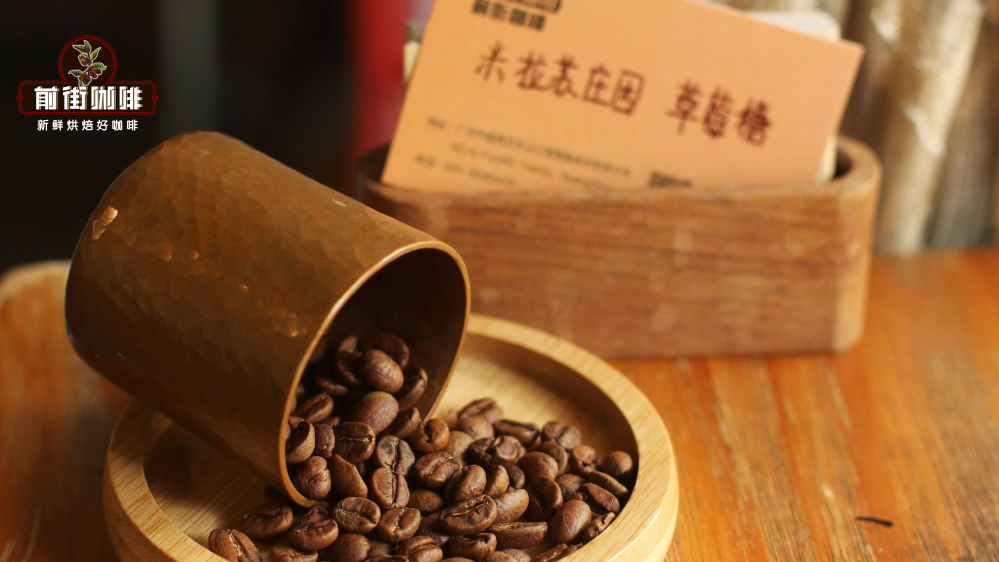
Costa Rica’s coffee cultivation history dates back to 1729, when seeds were introduced from Cuba, making it one of the first countries in Central America to develop a coffee industry. This Costa Rican Geisha employs the country’s skilled raisin honey processing method, which is quite distinct from the common washed or standard honey processes. The most distinctive feature of raisin honey processing isretaining 100% of the fruit mucilage without any water washing, and utilizing raised beds for prolonged sun drying, allowing the coffee beans to absorb ample sunlight, ultimately resulting in exceptionally high sweetness and complex fruit aromas.
Costa Rica has eight major specialty coffee regions, including the West Valley, Central Valley, Tarrazú, Tres Ríos, Orosi, Brunca, Turrialba, and others—with Tarrazú regarded as the core of specialty coffee. Both Hacienda La Candelilla and Hacienda Mirasol are located in this area, benefitting from high altitude, fertile volcanic soil, and stable rainfall, which are ideal for cultivating Strictly Hard Bean (SHB) coffee. Such beans typically exhibit more pronounced acidity and rich flavor profiles.
Hacienda La Candelilla is one of Costa Rica’s representatives in producing high-quality Geisha, often showcasing clear notes of plum and citrus, with layered acidity. While the Geisha variety in the bean lot introduced in this article accounts for only50%, with the remainder consisting of ET47, SL28, and MAICO, the inclusion of Geisha results in a notably intense floral dry fragrance, particularly highlighted by jasmine.
When it comes to the Geisha variety, many people first think of Panama’s Hacienda Esmeralda. However, Geisha actually originates from Ethiopia’s Gesha Forest and was only introduced to Costa Rica in 1953, reaching Panama by 1970. In the early days, due to low yield and limited profitability, it was mostly used as windbreak. It wasn’t until Hacienda Esmeralda in Panama single-origin cupped and repeatedly achieved outstanding results that Geisha sparked a global craze. In contrast, Costa Rica’s Geisha, thanks to local unique processing techniques and microclimates, presents a flavor profile distinctly different from Panama’s.
Honey processing is one of Costa Rica’s signature techniques, and raisin honey processing is an advanced version of it. The method involves removing the outer skin and pulp of the coffee cherry,keeping the full mucilage layer while avoiding any water washing throughout the process, and then proceeding with prolonged sun drying. This processing approach significantly enhances sweetness and body while preserving more floral and fruity aromas. Compared to regular washed beans, honey-processed beans demonstrate more notable sweetness and flavor richness.
I once cupped a Geisha from Hacienda Mirasol in Costa Rica using the raisin honey method—the flavor profile was remarkably unique: upon grinding, you could smell intense dried jasmine aroma; after brewing, the jasmine scent became even more vibrant. The cup started with bright lemon acidity, gradually revealing layers of passion fruit and strawberry juice sweetness as the temperature dropped, and finished with a honey-like lingering aftertaste. Though not purely Geisha, the inclusion of the Geisha component clearly elevated the overall aroma and complexity.
ET47 is a leaf-rust-resistant variety introduced by the Costa Rican Coffee Research Institute in the 1990s and later promoted in the Tarrazú region, known for its captivating fruity sweetness and clean taste. SL28 is a classic variety originating from Kenya, highly drought-resistant, with round and plump beans belonging to the Bourbon genetic group, often delivering bright acidity and rich fruitiness. The combination of these varieties with Geisha contributes to this Costa Rican Geisha’s layered yet balanced flavor profile.
If you enjoy pour over coffee, here are the V60 brewing parameters and recommendations tailored for this Costa Rica Hacienda La Candelilla Geisha, helping you fully extract its floral notes, berry sweetness, and rich body:
- Filter:V60 #01
- Coffee dose:15 grams
- Brew ratio:1:15 (total water 225 grams)
- Water temperature:90°C
- Grind size:Medium-fine grind (approximately 80% through a 20-mesh Chinese sieve, close to the texture of fine sugar)
Pour over steps:
- First, wet the filter paper and preheat the V60 filter cone and server, then discard the preheating water.
- Add 15 grams of coffee grounds into the filter, gently shaking to level.
- First pour 30 grams of water for the bloom, steeping for about 30 seconds.
- Then pour in a small circular motion from the center outward and back to the center, adding water until the total reaches 125 grams for the first pour, at which point the water level should begin to drop.
- When the water level is about to expose the coffee bed, continue pouring until the total reaches 225 grams, then stop pouring.
- Once the water level drops again to near exposing the coffee bed, remove the filter cone. Total brew time should be controlled around2 minutes and 1 second.
After brewing, this Costa Rican Geisha delivers clear and vibrant flavors: the cup opens with pleasant jasmine floral notes, followed by noticeable raisin-like sweetness and the fruity sweetness reminiscent of strawberry gummies. The overall mouthfeel is silky and creamy like nut butter, with a long and warm aftertaste. Whether you’re a Geisha enthusiast or a coffee enthusiast aiming to refine your pour over skills, this bean and these V60 parameters are definitely worth trying.
The above content is compiled by CoffeeHunters, a coffee news website.


