







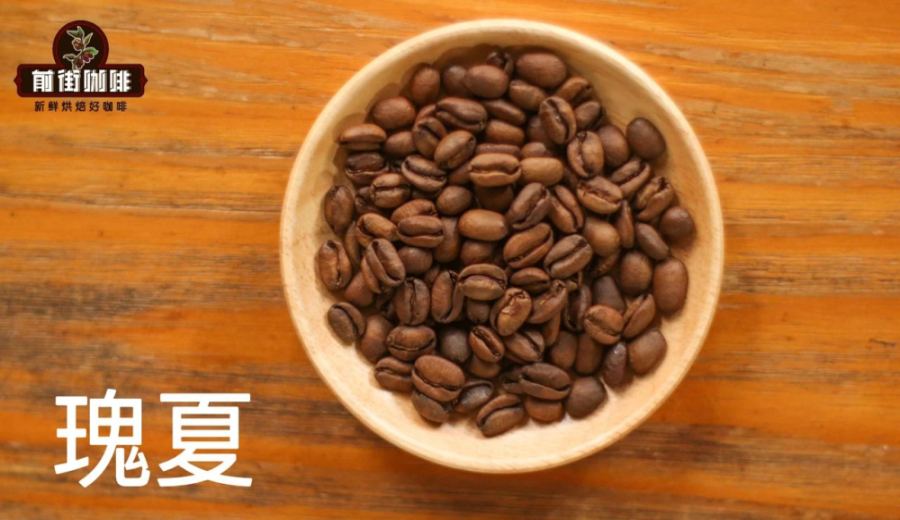
Introduction:Geisha (Geisha) coffee beans are renowned for their rarity and high quality, especially those produced by Panama’s Hacienda La Esmeralda, which are considered the pinnacle of specialty coffee. But why are they so expensive? What are the differences between Red Label, Green Label, and Blue Label? How do washed and natural processing methods affect the flavor? This article delves into the origins of Geisha, the characteristics of its growing regions, the Hacienda La Esmeralda grading system, and offers brewing and roasting recommendations for all four grades to help you master the allure of this top-tier coffee bean from beginner to advanced level.
Geisha, also known as Gesha or Artisan coffee, is one of the most revered varieties in the global specialty coffee market. Its unique floral aroma and delicate fruity acidity have made it a dream coffee for many enthusiasts. Especially those from Panama’s Hacienda La Esmeralda, thanks to their exceptional flavors and limited production, have consistently ranked at the top of high-priced coffee beans.
However, high price does not mean it suits every consumer. Before purchasing Geisha, it is recommended to understand its varietal characteristics, growing conditions, grading logic, and processing method differences to find the product that best matches your taste and budget. Below, we will introduce this top-tier coffee bean from multiple perspectives.
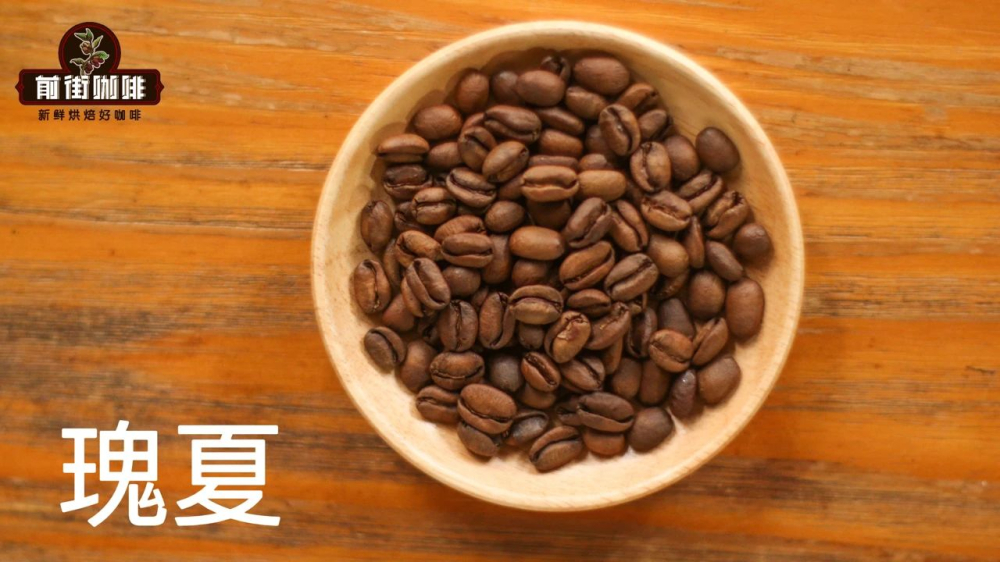
Geisha was first discovered in 1931 in the Gesha Forest of Ethiopia, and later introduced to Kenya, Uganda, Tanzania, and Costa Rica, before finally arriving in Panama in the 1960s. However, due to its distinct appearance compared to Central and South American varieties and its low yield at the time, it was long used primarily as breeding material. It wasn’t until 2004, when Hacienda La Esmeralda won the Best of Panama (BOP) competition with this variety, that it rose to fame.
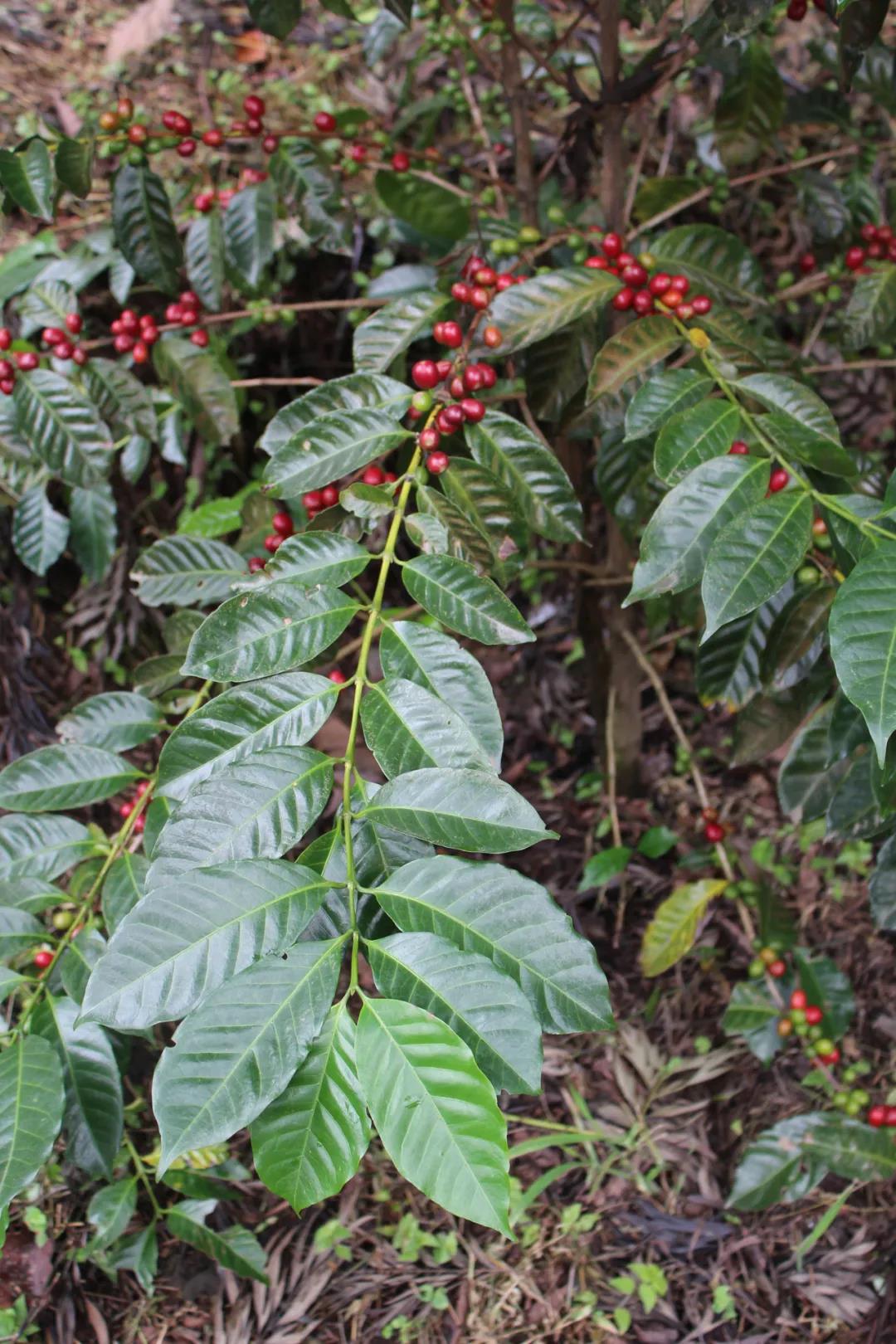
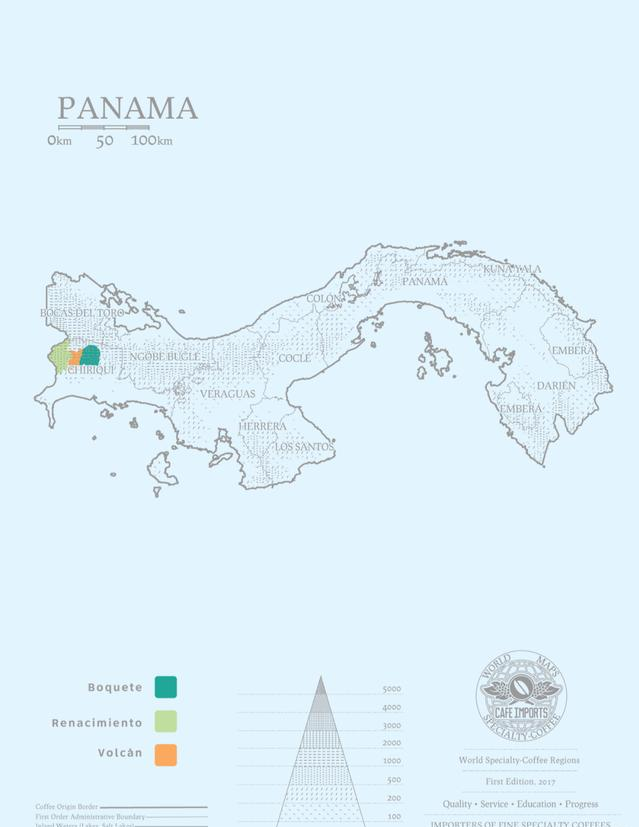
The Boquete region of Panama, with its unique geographical and climatic conditions, has become an ideal growing area for Geisha. Located on the eastern slopes of the Barú Volcano, it features high altitudes, significant day-night temperature variations, and a cool, foggy environment that helps slow the ripening of coffee cherries, allowing for the accumulation of richer flavor compounds. In addition, the region’s fertile, mineral-rich soil provides an excellent foundation for Geisha growth.
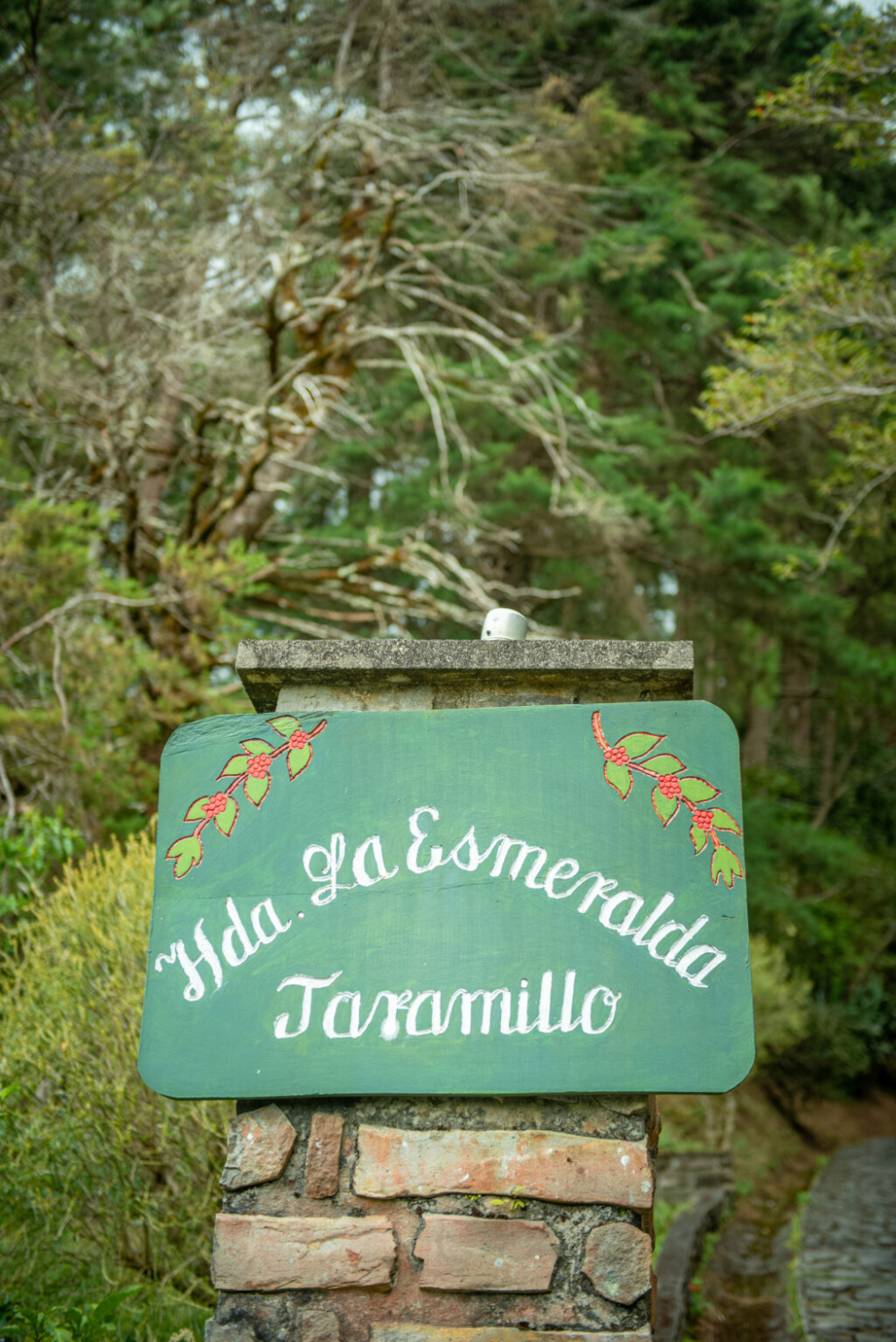
Hacienda La Esmeralda (La Esmeralda) is the representative growing region for Panamanian Geisha. Established in 1964, it initially focused on dairy farming, then introduced Catuaí and Caturra varieties in 1987, and built a washed processing facility in 1994. Currently, Hacienda La Esmeralda’s Geisha is primarily grown in three main areas: Jaramillo, Canas Verdes, and El Velo.
Among them, Jaramillo has high elevation and a cool climate, with annual rainfall reaching 4,000 mm, making it the golden growing region for Geisha. The El Velo estate is a newly acquired high-altitude area in recent years, featuring diverse microclimates and is also suitable for Geisha cultivation. These areas not only have high elevation but also benefit from good shading, providing ideal growing conditions for Geisha.
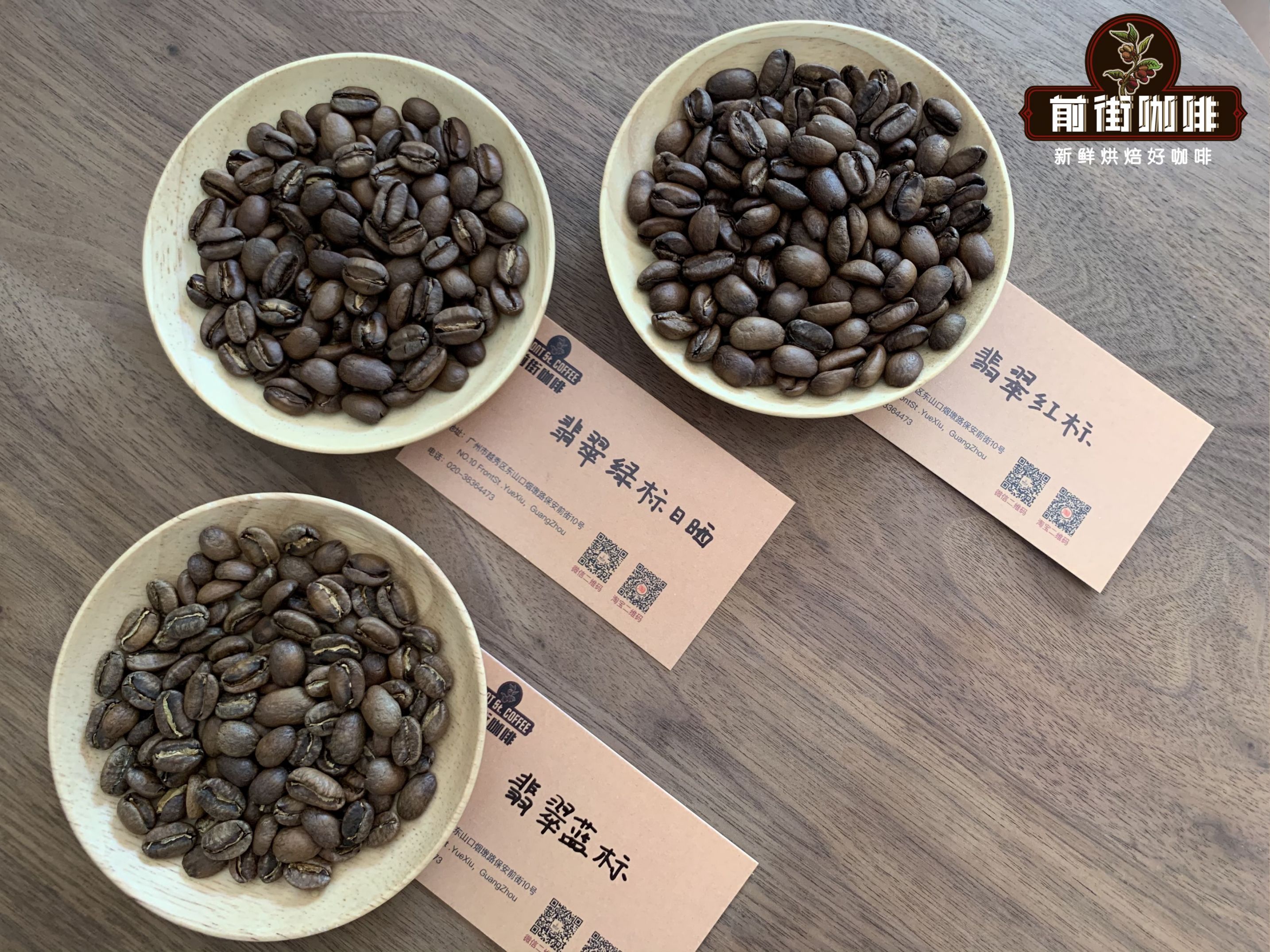
Hacienda La Esmeralda classifies Geisha into three main grades based on altitude, cupping scores, and origin—namely the commonly seen Red Label, Green Label, and Blue Label in the market. This grading system is not simply based on price, but is established through rigorous cupping and cultivation criteria, allowing consumers to choose different levels of Geisha experience according to their needs.
Red Label Geisha, also known as Esmeralda Special, is the highest grade. Selected from Jaramillo and Canas Verdes at altitudes of 1,600–1,800 meters, it typically scores above 90 in cupping and is sourced from only about 22 carefully selected plots. This grade of Geisha often appears in independent auctions, hence it is also called “Auction Red Label.” However, non-auction versions of Red Label also maintain a high standard and are suitable for consumers who want to experience top-tier flavors without pursuing the auction format. Processing methods can be either washed or natural, with flavor profiles highlighted by bright citrus, floral notes, and delicate acidity.
Recommended pour over parameters (applicable to both Red Label natural and washed): Use the Yangjia 800N filter, 380g coffee dose, start at 150°C brew temperature, develop for about 1 minute and 28 seconds after first crack, and drop at 189.5°C. For details on heat adjustment and air damper settings, please refer to the complete data later in this article.
Green Label, also known as “Private Collection,” is a blend of micro-lots from similar altitudes, not from a single plot. While it doesn’t carry the prestige of auction-grade coffee, it often delivers surprising flavors and offers great value. It is available in both washed and natural processes, with flavor profiles similar to Red Label but potentially more varied.
Recommended pour over parameters (Green Label): 500g coffee dose, start at 190°C brew temperature, first crack begins around 8 minutes and 30 seconds, final drop at 193.5°C, suitable for those who prefer rich fruity notes and layered complexity.
Blue Label, also known as Geisha1500, is the entry-level Geisha, sourced from a blend of beans from the three estates at altitudes of 1,400–1,500 meters, mainly using washed processing, with a natural version added starting in 2024. Washed Blue Label offers a clean and bright flavor with gentle fruit acidity and subtle sweetness; the natural version showcases rich fermentation aromas and berry-like juiciness, with high sweetness, suitable for consumers who enjoy vibrant flavors.
Pour over recommendation (both washed and natural Blue Label can be referenced): 480g coffee dose, start at 180°C brew temperature, develop for about 1 minute and 28 seconds after first crack, drop at 190°C, suitable for daily drinking or first-time Geisha drinkers.
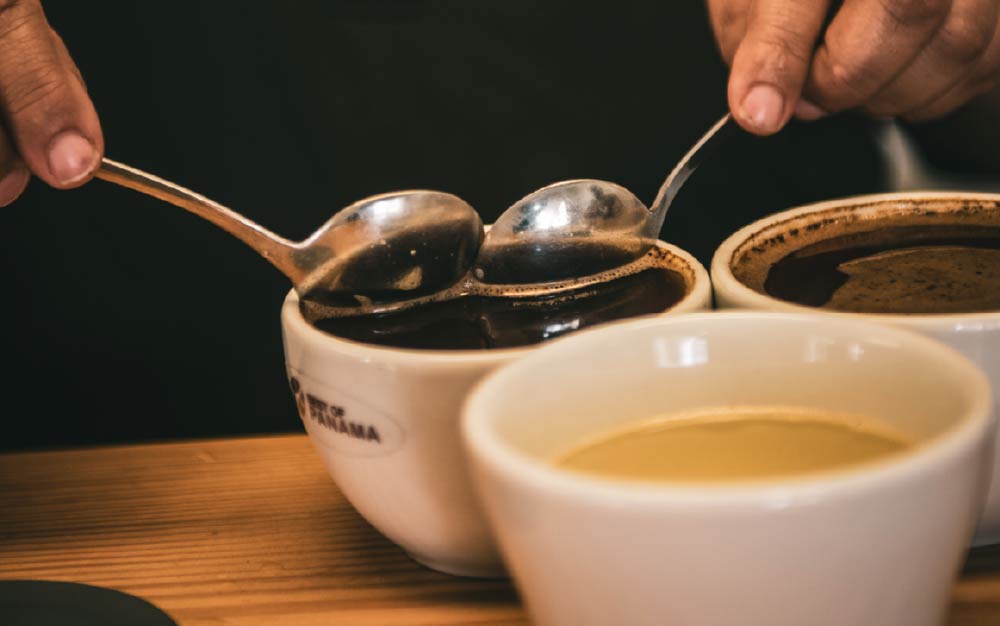
The main processing methods for Geisha are washed and natural. Washed processing emphasizes cleanliness and bright acidity, including steps such as floatation, pulping, fermentation to remove mucilage, washing, and drying. Though the process is complex, it preserves the most original characteristics of the coffee bean, ideal for showcasing delicate citrus and floral notes.
Natural processing involves drying the entire coffee cherry in the sun, allowing the sugars and aromas in the pulp to penetrate the bean, resulting in more intense fruitiness, sweetness, and fermentation layers. However, strict control of the drying environment is required to avoid off-flavors.
The reason Geisha is expensive, apart from its rarity and high quality, is also related to the challenges of cultivation. Geisha has weak root systems, low yields, and extremely high environmental requirements, needing ample shade, high altitude, and meticulous management. It also has relatively high mortality rates during early growth, all of which contribute to its elevated market value.
For extraction, it is recommended to use a V60 filter, 15g coffee dose, 1:15 coffee-to-water ratio, water temperature controlled at 90–91°C, and grind size similar to granulated sugar (approximately 80% passing through a #20 sieve). Light-roasted Geisha releases its substances more slowly, so slightly higher water temperature and finer grind help improve extraction efficiency. A three-stage brewing method is advised: bloom for 30 seconds, then pour in stages up to 225g total, with total extraction time around 2 minutes to fully showcase its flavor layers.
Red Label and Green Label are ideal for savoring their floral, citrus, and acidity layers in detail; Blue Label offers refreshing or rich fruity sweetness, suitable for coffee lovers with different preferences to explore the diverse charm of Geisha.
The above content is compiled by CoffeeHunters, a coffee news website.


