







Introduction:Ethiopia is the birthplace of coffee, home to nine major specialty coffee regions and diverse farming systems. From the bright citrus notes of Yirgacheffe to the rich berry flavors of Sidamo, each region boasts unique flavor profiles. This article delves into four traditional cultivation methods, explores the geography and microclimates of various regions, and provides a detailed comparison of the flavor characteristics and processing methods of Yirgacheffe and Sidamo. It also offers practical pour-over brewing tips and extraction parameters to give you a comprehensive understanding of this cradle of the world’s finest coffee.
Ethiopia is not only the global origin of coffee but also the country with the richest diversity of heirloom varieties and cultivation systems. The coffee farming models here can be divided into four categories: forest coffee, semi-forest coffee, garden coffee, and plantation coffee. Over 90% of the coffee comes from the first three natural and semi-natural forms, showcasing highly distinctive regional flavor profiles.
Forest CoffeeThese are wild varieties that grow naturally in pristine forests, usually protected and managed by the government and harvested only by specific collectors;Semi-Forest CoffeeInvolves farmers regularly entering forested areas to prune shade trees and coffee plants, regulating light exposure and yield;Garden CoffeeIs the most common model, where smallholder farmers intercrop coffee with other plants in their home gardens or fields, often seen under false banana trees, creating a distinctive rural landscape and also representing the primary local production method. Finally,Plantation CoffeeIs mostly operated by large state-owned institutions, focusing on efficiency and scale, but is relatively rare.
These four farming systems are spread across Ethiopia’s nine renowned specialty coffee regions: Gimma, Sidamo, Yirgacheffe, Harrar, Limu, Illubabor, Jimma (Lekempti), Teppi, and Bebeka. Each region, due to differences in altitude, climate, and soil, produces coffee beans with unique flavor profiles.
Regions in the west such as Teppi, Bebeka, Illubabor, and areas around Lake Tana in the northwest tend to produce larger coffee beans with intense wild flavors but less pronounced acidity. The central Limu region and the central-southern Yirgacheffe and Sidamo regions showcase prominent fruity, citrusy acidity, and floral notes, with overall stable performance and distinct layering. The eastern Harrar region falls between the wildness of the west and the fruitiness of the central-south, but with greater variability in stability and processing quality.
The diversity of heirloom varieties and various processing methods—such as natural, washed, and honey—endow Ethiopian coffee with an exceptionally complex and ever-changing flavor profile, earning it the reputation of the “flavor of kings.”
Here’s a brief overview of the characteristics of the nine major regions:
Yirgacheffe (Yirgacheffe)Although part of the larger Sidamo region, it is uniquely distinguished and categorized separately. It includes sub-regions such as Wenago, Kochere, Gelena, and Abaya, with higher-grade designations like Yirgacheffe A and Wenago A commanding premium prices. The region mainly uses washed and natural processing, with honey-processed versions emerging in recent years, resulting in clear and varied flavor profiles. Common tasting notes include bright citrus acidity, delicate floral aromas, and finishes of almond and tea, with a clean and refreshing structure.
Representative beans like the “Yirgacheffe Guddina Cooperative Coffee Beans,” originating from the Gedeo area at altitudes of 1900-2300 meters, arewashed processed, offering flavors of citrus, black tea, caramel, almond, and green tea, with clear layering, ideal for those who enjoy bright acidity.
Another option, the “Yirgacheffe Red Cherry Coffee Beans” from the Aletaran washing station, grown at elevations up to 2300 meters, usenatural processing, showcasing intense citrus, berry, and fermented fruit aromas, along with honey-like sweetness and a creamy smooth mouthfeel, perfect for those who love explosive fruit flavors.
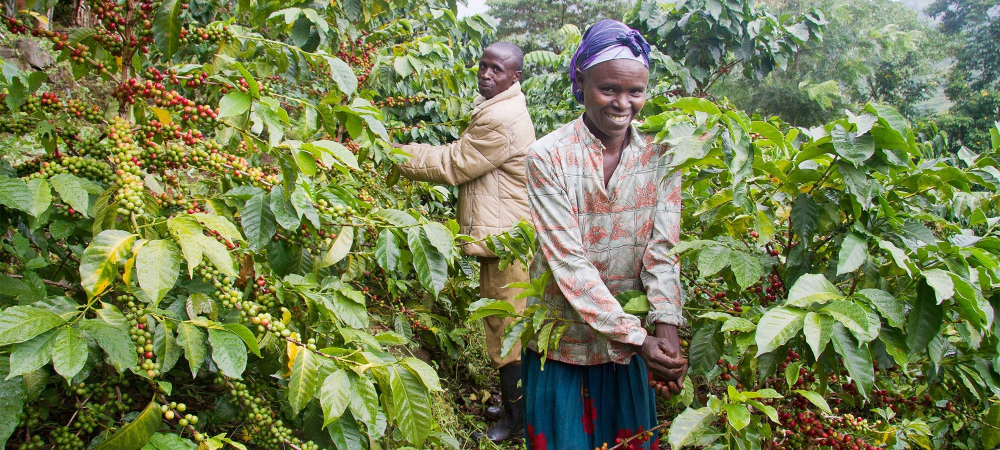
Sidamo (Sidamo)This region sits at altitudes between 1400 and 2200 meters and, like Yirgacheffe, primarily relies on the garden farming system. Its flavors commonly feature clear floral and citrus notes, with consistent quality. Varieties grown here include Kurmie, Wolisho, and Deiga, with Wolisho being a tall, robust plant often used in the Biloya and Ayisha natural series.
Sidamo coffee generally has a richer, fuller body than Yirgacheffe, maintaining bright citrus acidity while adding a berry-like juiciness, resulting in a smoother mouthfeel.
A representative bean, the “Sidamo Huakui Coffee Beans,” comes from the Buku Able washing station in the Hambela area, grown at 2250-2350 meters and processed using the natural method. It delivers flavors of citrus, strawberry, passionfruit, fermentation aromas, and black tea notes, with intense and layered complexity.
Next,the Limu Regionsits at altitudes of 1200–2000 meters and primarily exports to European and American markets. Processing methods here include washed, natural, and honey, with an overall lower body, bright acidity, and distinctive grassy and black sugar notes. Though not as fruit-forward as Yirgacheffe or Sidamo, it still enjoys a certain level of popularity in the Western market.
Harrar (Harar)This region is located in the east, at elevations of 1500–2400 meters, and is known for traditional natural processing, representing one of Ethiopia’s classic early flavor profiles. Although coffee isn’t grown within the city itself, the surrounding Hararghe Highlands are famed for their unique “complex aromas,” placing Harrar alongside Yirgacheffe as one of Ethiopia’s two classic flavor traditions.
High-quality Harrar coffee often features berry aromas and pleasant fermented complexities, but due to inconsistent grading and quality control in recent years, it’s recommended to sample or cup before purchase. The region receives only about 1000 mm of rainfall annually, making natural processing the only viable option.
Jimma (Jimma/Jimmah)Is Ethiopia’s largest coffee-producing region, at altitudes of 1350–1850 meters, primarily featuring forest and semi-forest systems. The famous Kaffa Forest in the region is home to numerous wild varieties, but many are sold in mixed lots, diluting some of their specialty potential. However, washed Jimma coffee still offers a clean, transparent flavor profile, reminiscent of Central American styles, making it suitable for those seeking high-quality beans at mid-to-low price points.
Illubabor (Illubabor)andGimbi (Gimbi/Lekempti)are both located in the west, at altitudes of 1350–1850 meters and 1500–1800 meters, respectively. The former features larger beans, lower acidity, but a balanced and full-bodied profile, often used in blends; the latter has longer beans similar to Harrar, with brighter acidity and fruit flavors, considered by some consumers as the “poor man’s Harrar.”
Teppi & Bebeka (Teppi & Bebeka)are situated in nearby southern regions, at altitudes between 500 and 1900 meters, featuring corporate-managed plantation systems as well as some garden farming. Coffee here has lower acidity, with flavor profiles distinctly different from Harrar and Yirgacheffe, making it suitable as a blending component. Processing methods include both natural and washed.
Finally, the small region byLake Tanashould not be overlooked. Though not mainstream, its monastery-surrounded forest coffee has extremely limited production—less than 10 tons—but carries a strong cultural and religious atmosphere. The coffee naturally grows amidst forests and fields, collected by local communities, resulting in unique, mysterious flavor profiles.
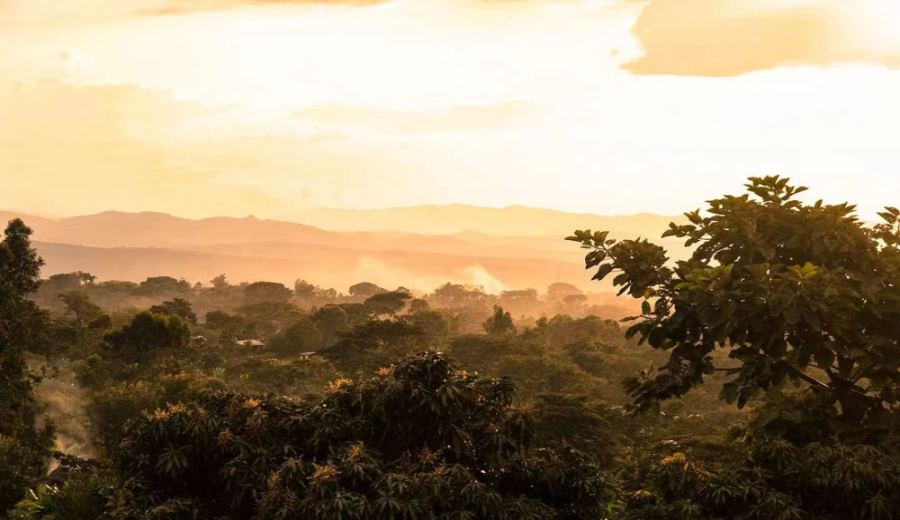
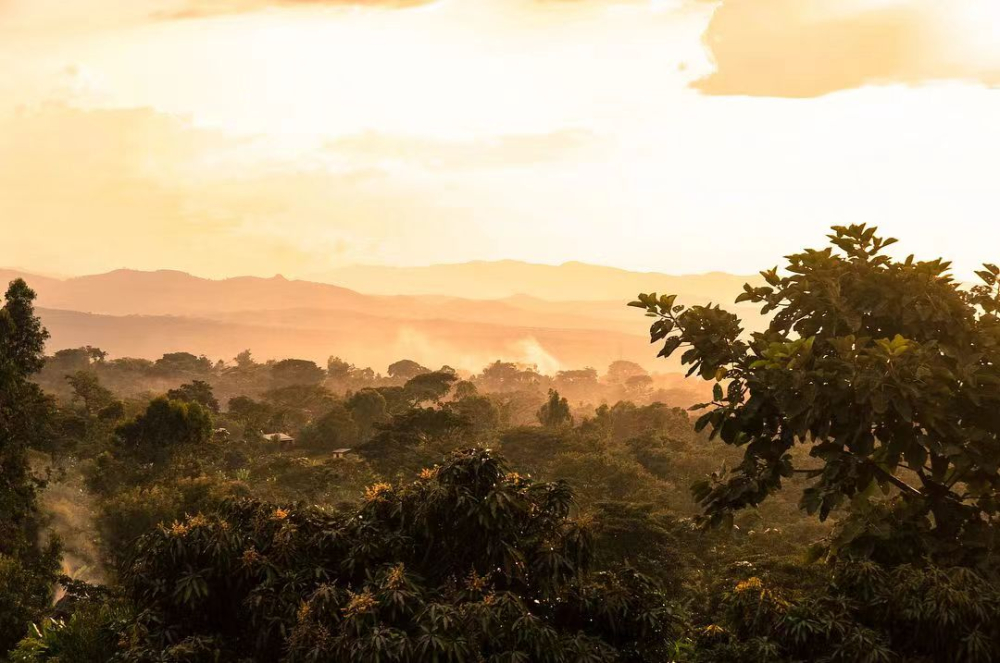
Take Yirgacheffe as an example: the cool, foggy mountain climate with spring-like seasons year-round and gentle breezes creates the optimal environment for Arabica growth. Local farmers often intercrop coffee with false bananas and other plants under the shade of banana trees, forming a unique landscape that also helps maintain microclimate and soil health.
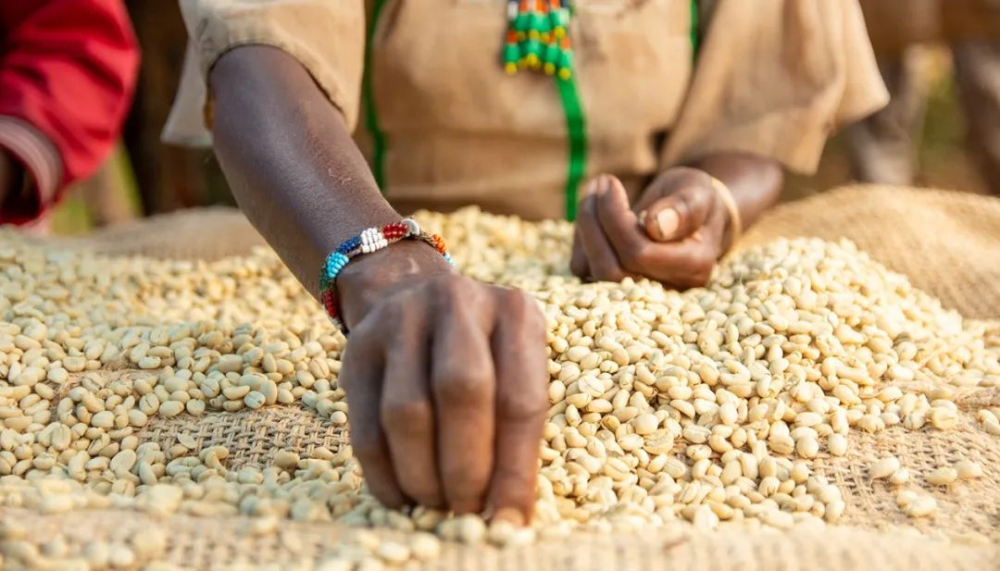
In terms of processing methods, Ethiopia’s early natural techniques were relatively crude and prone to off-flavors. However, after the introduction of South American washed processing techniques in 1959, most regions switched to washed processing, using fermentation and water washing to remove mucilage and enhance cleanliness. Starting in 2006, some washing stations also adopted raised-bed natural drying methods to prevent coffee from contacting the ground, significantly improving the purity of fruit aromas and consistency of natural-processed beans.
For actual pour-over brewing recommendations, taking the Yirgacheffe Guddina Cooperative washed beans as an example, it is advised to use a V60 filter cone,with water temperature controlled at 92°C,grind size at approximately 80% passing through a #20 sieve,a coffee-to-water ratio of 1:15, using 15 grams of coffee. Employ a three-stage extraction: start with a 30-gram bloom for 30 seconds, then pour 95 grams, and finally add 100 grams, with a total extraction time of about 2 minutes. These parameters fully highlight its lemon, berry acidity, and floral-tea aromas, with a honey-like sweetness in the finish, making it ideal for coffee lovers who enjoy fruity and fresh profiles.

The above content is compiled by CoffeeHunters, a coffee news website.


