








Introduction:Have you ever felt hesitant when faced with an extensive menu of espresso-based drinks at a coffee shop? From espresso, latte, cappuccino to mocha, these classic beverages all originate from the same base — espresso — but differ in flavor profiles due to varying ratios of milk, water, or additional ingredients. This article will delve into the various types of espresso-based drinks, analyzing everything from the extraction parameters, grind size, and coffee-to-water ratio of espresso, to the standard recipes and steps for making lattes, cappuccinos, and mochas. We’ll fully explore the characteristics and brewing techniques of each drink, helping you better understand the logic behind a great cup of coffee.
When walking into a café and seeing options like latte, cappuccino, and mocha on the menu, many people often don’t know where to start. In fact, these classic espresso-based drinks all use espresso as their base, but develop their own unique textures and flavor profiles based on the differing proportions of milk, water, or additional ingredients. Understanding these basic components can help you choose your preferred type of coffee more accurately.
To make an ideal shot of espresso, the key lies in using an espresso machine capable of pressurized extraction. Typically, cafés will use freshly roasted espresso blends or single-origin beans, ground into very fine coffee powder. These fine grounds are evenly distributed into the portafilter basket and tamped down to ensure consistent density before being placed into the machine for extraction.
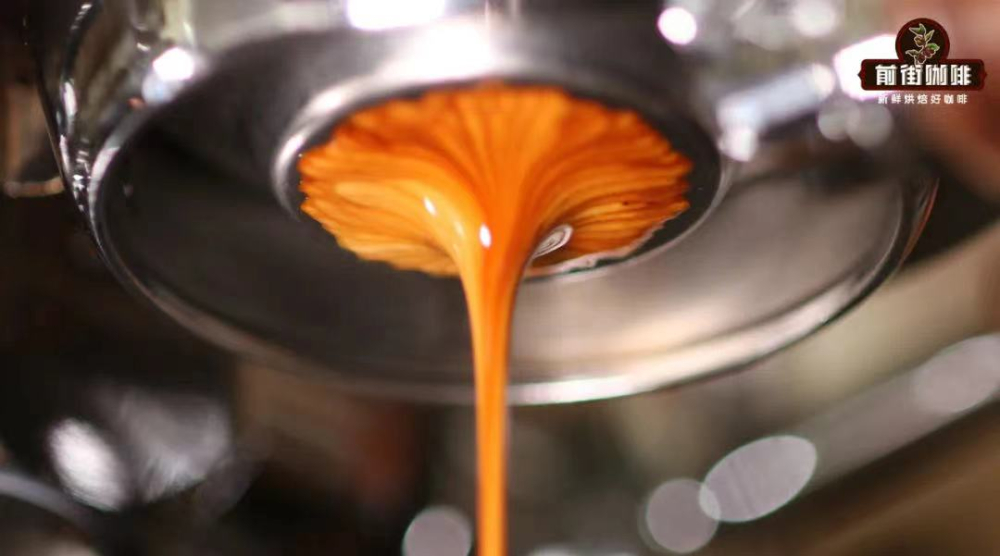
When the extraction process begins, hot water at approximately 94°C rapidly penetrates the tightly packed coffee puck under a pressure of 9–10 atmospheres.At a 1:2 coffee-to-water ratio,meaning about 2 grams of espresso is extracted from every 1 gram of coffee grounds, a single shot of espresso typically yields 20–25 grams of liquid, with an extraction time of around 22 seconds; for a double shot, 19–20 grams of coffee grounds are used to produce 35–40 grams of espresso, taking about 29 seconds. This process fully extracts the oils, aromas, and rich body of the coffee, resulting in the unique layered intensity and bold flavors characteristic of espresso.

When selecting coffee beans, blends offer a fusion of flavor characteristics from different regions, providing more stable extraction performance. For example, a blend combining Ethiopian sundried Yirgacheffe and Honduran Sherry often exhibits fermented wine-like notes, berry tones, as well as complex layers of vanilla cream and nutty caramel. If you prefer fruit-forward flavors, you might consider a medium-roast blend, such as one that combines Costa Rican honey-processed beans with Ethiopian beans, which often showcases a sweet-sour profile reminiscent of strawberry taffy, along with a smooth crema texture.
Americano is one of the most common variations of espresso-based drinks, made by adding hot water to espresso. Legend has it that this method originated during World War II, when American soldiers, unaccustomed to the intense flavor of espresso, diluted it with plenty of hot water. Nowadays, the proportion of hot water can be freely adjusted to personal taste. A common practice is to use one or two shots of espresso as the base, then add about 200 ml of hot or iced water to create a refreshing yet still coffee-forward beverage.
Latte, translated directly from Italian, means "coffee with milk." Its composition is1/5 espresso, 2/5 hot milk, and 2/5 milk foam.It’s worth noting that if you simply order “Latte” in Italy, the server might misunderstand and bring you just a glass of milk. Therefore, the correct way to order is “Caffe Latte.” The core flavor of a latte lies in the harmonious integration of espresso and milk, with the milk foam usually being fine and smooth. When drinking, you can enjoy the depth of the coffee balanced with the creaminess of the milk. A common preparation uses a double shot of espresso as the base, combined with 250 ml of steamed milk and milk foam, and can also be made with cold milk based on preference.
The main difference between a cappuccino and a latte lies in the distribution of the three components. A cappuccino consists of1/3 espresso, 1/3 hot milk, and 1/3 thick milk foam.The milk foam layer is thicker and fluffier, and sometimes a bit of cocoa powder or cinnamon is sprinkled on top to enhance the flavor. This coffee places the flavor of the coffee itself at the forefront, with milk playing a supporting role. The overall taste is relatively richer and more robust. It is generally made with a double shot of espresso, along with about 180 ml of hot milk with a thick texture and rich foam.
The origin of the mocha is deeply tied to the port of Mocha in Yemen, which once exported coffee beans with a strong chocolate flavor. Although the port no longer exists, people developed the practice of adding chocolate syrup or cocoa powder to milk coffee to recreate a similar chocolate aroma, leading to the modern Italian-style mocha. This coffee typically uses a double shot of espresso as the base, paired with an appropriate amount of chocolate syrup or cocoa powder, along with 250 ml of hot milk and smooth milk foam. It allows you to enjoy both the richness of the coffee and the sweetness of the chocolate, making it perfect for chocolate lovers.
Mastering these basic espresso-based drink preparation techniques not only helps you order more confidently at cafés but also allows you to experiment with various pour over and espresso variations at home. Understanding details such as coffee-to-water ratio, grind size, milk temperature, and milk foam texture will enable the full expression of each cup’s unique flavors.
The above content is compiled by CoffeeHunters, a coffee news website.


