







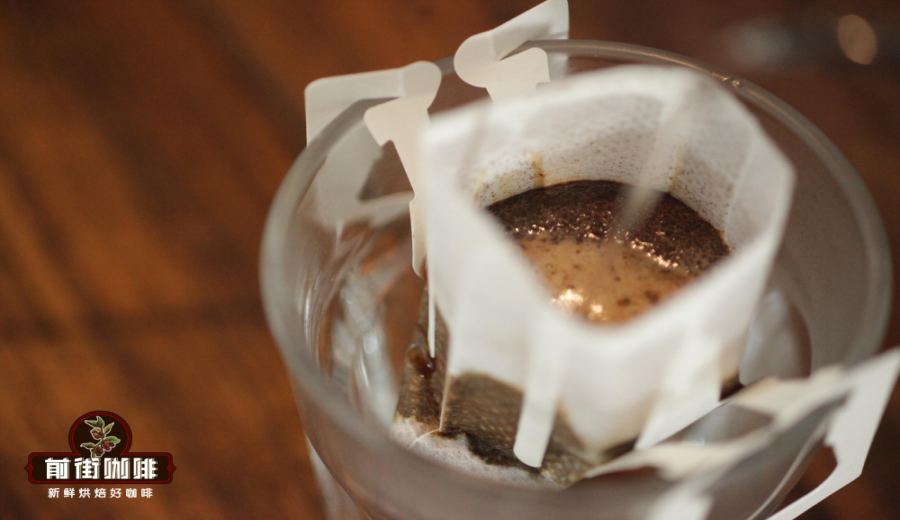
Introduction:Although both drip bags and instant coffee fall under the category of ready-to-brew products, their production processes, flavor profiles, and brewing methods are fundamentally different. This article delves into the core differences between the two, explains in detail the correct brewing steps and recommended coffee-to-water ratios for drip bags, and provides bean recommendations based on flavor preferences to help you brew a well-balanced, layered pour over coffee at home.
Drip bags and instant coffee are often mistakenly regarded as the same type of product simply because they can both be prepared quickly. In reality, there are significant differences in their raw material sources, processing methods, and the final flavor delivered. Drip bags use freshly roasted coffee beans that are ground just before being sealed in non-woven filter bags. All you need is hot water and a cup to enjoy a coffee experience similar to pour over. In contrast, instant coffee is produced through high-temperature extraction and concentrated drying, during which most of the volatile aromatic compounds are lost. Its flavor largely relies on artificial additives to recreate.
The production process of drip bags begins with the careful selection of freshly roasted coffee beans, which are then ground to a coarseness suitable for drip filtration. The ground coffee is subsequently sealed within non-woven filter bags for storage.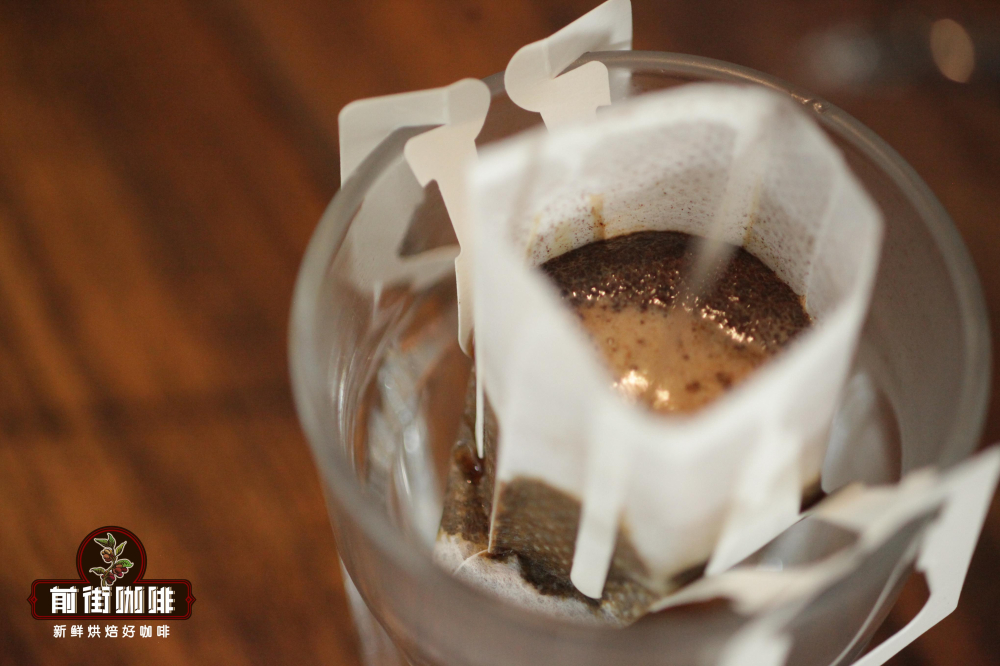 This type of coffee is a portable drip solution and can also be seen as a simplified version of pour over. Without the need for complicated equipment, all you need is hot water and a cup to enjoy the original flavors of single-origin coffee anytime. Since no sugar or non-dairy creamer is added and freshly ground coffee is used, it fully releases the acidity, sweetness, body, and layered aromas of the coffee.
In contrast, the production process of instant coffee involves grinding roasted beans and extracting soluble components under specific temperatures and pressures, followed by concentration and drying to form powder or granules.To improve drying efficiency, some products use vacuum concentration techniques, resulting in significant loss of natural aromas and essential compounds.As a result, the final flavor of the product is mostly simulated using artificial flavorings, which is vastly different from the essence of freshly ground coffee.
It is important to note that the coffee particles inside drip bags are freshly ground coffee powder (approximately 70% of which consists of insoluble lignocellulosic fibers), and they must never be directly poured into a cup for brewing, nor should the entire bag be steeped in hot water like a tea bag.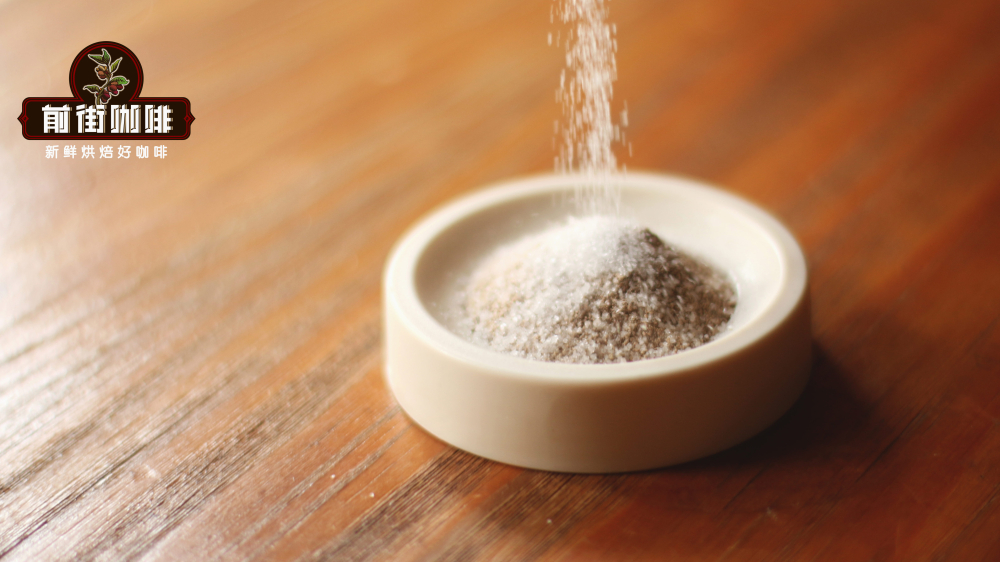 The correct brewing process is as follows: First, prepare a straight-sided cup and hot water at around 90°C. After opening the drip bag package, you will find a non-woven filter bag equipped with two cardboard handles. There is a dotted line on the top; tear along this line to open the filter bag. Next, gently pull the two cardboard handles and secure them to the edge of the cup to create a stable filtration structure.
During brewing, use a method of pouring small amounts of water multiple times to ensure the water stream evenly wets the surface of the coffee grounds.It is recommended that each pour does not exceed ninety percent of the filter bag’s capacityto avoid excessive leakage that could affect extraction efficiency. Taking a common 10g drip bag as an example, if you’re aiming for a rich and balanced flavor, it is suggested to use a coffee-to-water ratio of 1:13 to 1:15 — that is, add 130–150g of hot water. Over-pouring can dilute the flavor. Please note that drip bags are designed for single-use only; most of the flavor compounds are already extracted during the first brew. Reusing the bag not only fails to deliver good taste but may also release woody or overly bitter notes due to residual substances.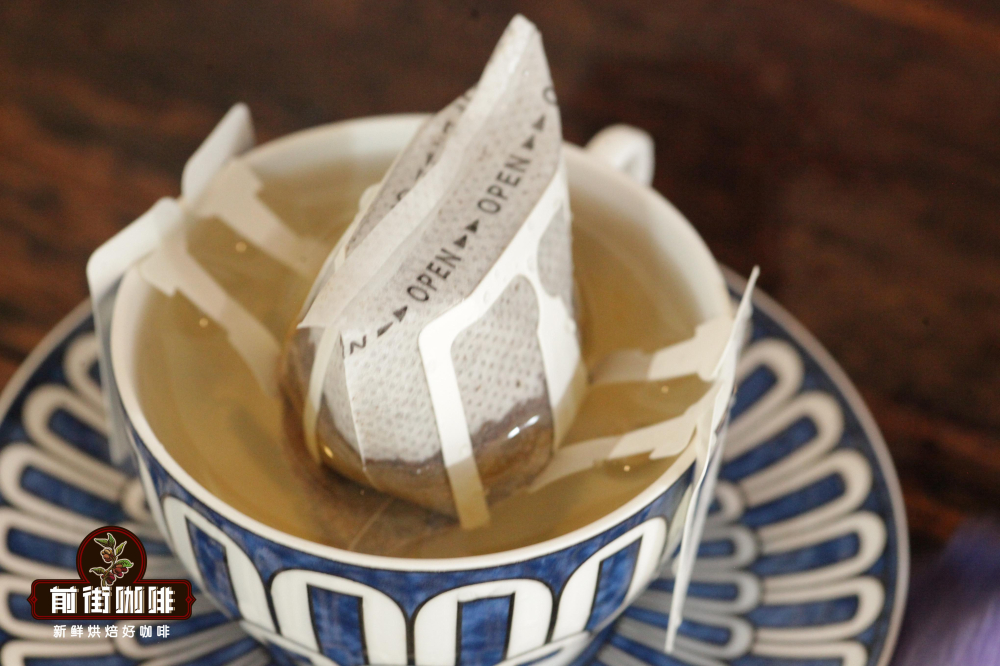
The final flavor profile of a drip bag is closely related to the origin characteristics and roast level of the coffee beans used. For consumers who prefer pronounced fruity acidity, try the “Ethiopia Yirgacheffe Seasonal Drip Bag” with a medium-light roast, whose flavor profile is dominated by citrus acidity and floral notes. If you lean toward a milder and less intense taste, the medium-dark roasted “Brazil Origin Drip Bag” is an ideal choice, offering nutty tones and a rich aftertaste, suitable for everyday drinking or for those new to the world of pour over flavors.
The above content is compiled by CoffeeHunters, a coffee news website.


