







Introduction:Understanding the difference between single and double shots of Espresso is fundamental to mastering Italian-style coffee. From extraction volume and coffee grounds dosage to the golden ratio used in milk-based drinks like lattes, this article thoroughly analyzes the core parameters of espresso and explains why professional shops prefer blends — helping you brew better-balanced and more consistent-tasting coffee.
For coffee lovers who enjoy Italian-style milk drinks, the proportion of espresso to milk is key to determining the flavor profile of the beverage. Common drinks such as lattes, cappuccinos, and mochas are all made by combining espresso and milk in varying ratios — some use a single shot, while others require a double. So, how many milliliters is a single shot of espresso? What are the actual differences between single and double shots? This article will delve into these questions from the perspectives of extraction parameters, coffee grounds dosage, and liquid weight, explain the recommended proportions and practical details for making lattes, and explore why blends are commonly used in espresso preparation.
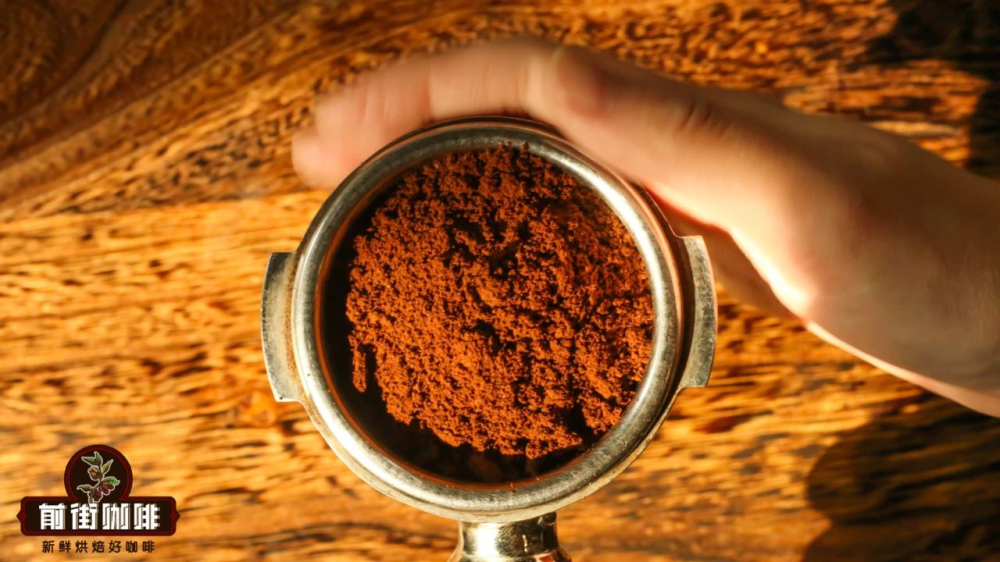
First, let’s clarify the definitions of single and double shots. In traditional Italian practice, a single shot (1 shot) of espresso typically uses 7 to 9 grams of coffee grounds to extract about 30 milliliters (approximately 1 ounce) of espresso. A double shot (double espresso), on the other hand, uses 14 to 18 grams of coffee grounds and extracts about 60 milliliters (approximately 2 ounces). Nowadays, most coffee shops have adopted the double shot basket as the standard, and single shot baskets have become less common.
It’s worth noting that with advancements in extraction techniques and evolving consumer tastes, the modern espresso ratio has gradually converged, and the total volume of the shot has also been adjusted. In the past, a single shot might use 7 grams of coffee to produce 30 milliliters of liquid, but today it’s common to use 16 to 20 grams of coffee to yield about 32 to 45 milliliters (or even up to 40 grams of liquid weight) — what is referred to as “one shot.” In fact, many shops now consider one puck (coffee puck) as one shot (1 shot), with the specific liquid volume depending on the amount of coffee and the equipment used.
As a practical example, today many shops consider one shot (i.e., a single espresso) to typically have a liquid weight of 40 grams. If using a double dose, the volume of the espresso is even higher, which is also the base commonly used for milk-based drinks like lattes. Below, we’ll further explain the preparation ratios and practical tips for making lattes.
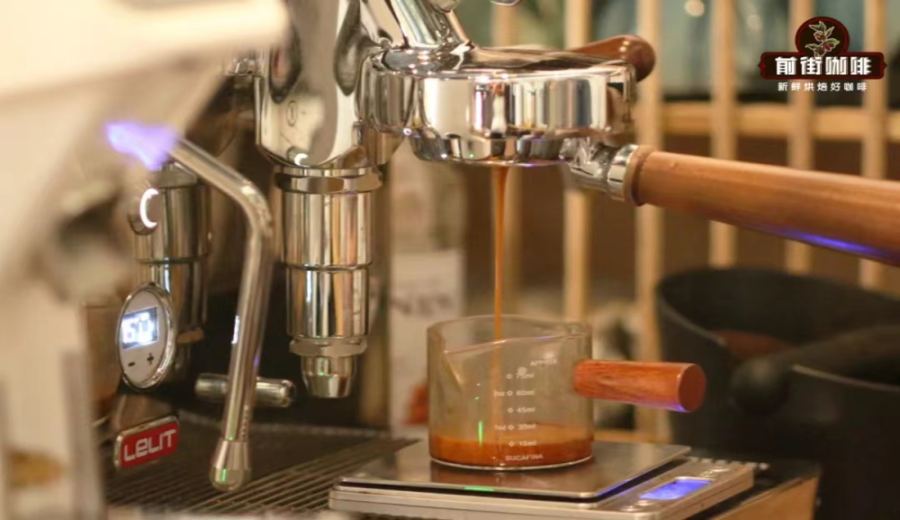
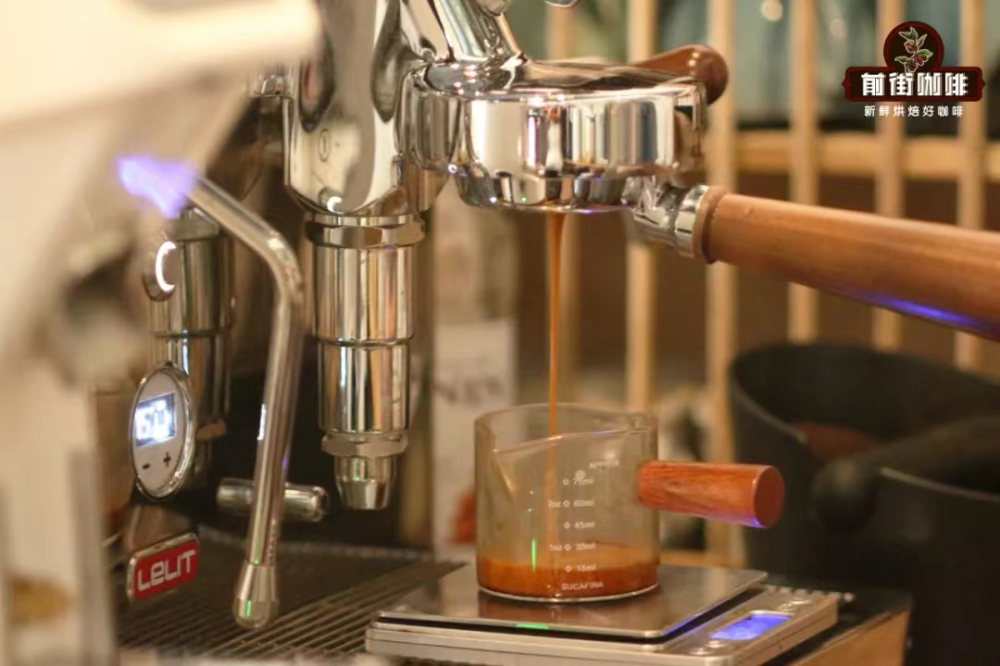
When making a latte, it’s recommended to use a double shot of espresso as the base, as it provides enough coffee flavor to support the layered complexity of the entire drink. Taking common extraction parameters as an example: the espresso machine pressure is around 9 bar, the extraction temperature is controlled at 94°C, the extraction time is about 30 seconds, the coffee dosage is set to 20 grams, the coffee-to-water ratio is 1:2, and the final output is 40 grams of espresso. Under these parameters, the coffee flavors are clear and bright, with vibrant acidity, accompanied by berry aromas, wine notes, and a rich chocolatey tone, with a sweet and pleasant aftertaste.
As for the milk, it’s recommended to use full-fat fresh milk to maintain the fineness of the foam and the richness of the milk aroma. The milk should be steamed to a temperature between 50 to 60°C. Too low a temperature won’t fully bring out the sweetness of lactose, while too high can damage the milk proteins, leading to a gritty mouthfeel. The milk foam thickness should be maintained at about 1 centimeter, which is ideal for lattes. Thinner foam is suitable for flat whites, while thicker foam is commonly used for cappuccinos.
Regarding the ratio of coffee to milk in a latte, it’s recommended to follow the golden ratio of 1:6 — that is, 40 milliliters of espresso paired with 240 milliliters of hot milk. By swirling the two together evenly, not only does the natural sweetness of the milk come through, but the espresso flavors are also enhanced. This combination creates a hot latte with a rich flavor profile, featuring hints of whiskey-like alcohol, a blend of lactose and coffee acidity reminiscent of the sweetness of a milkshake, and a nutty finish such as hazelnut tones, resulting in a smooth and balanced overall taste.
From this, it’s clear that a standard latte usually uses a double shot of espresso, which is about 40 milliliters. If a single shot is used, it’s around 20 milliliters. The coffee-to-water ratio is approximately 1:2, which relates to the extraction characteristics of most espresso machines — though actual values may vary slightly due to differences in machine settings and performance.
Additionally, the choice of coffee beans for espresso is also a nuanced topic. Due to the high-pressure extraction environment of espresso machines, the flavor characteristics of the beans are amplified, so single-origin beans are generally not the first choice. In contrast, blends combine beans from different origins and varieties, and through careful proportioning, they complement each other’s strengths and weaknesses to deliver a more balanced and consistent flavor profile.
For example, some coffee beans may have a smooth mouthfeel but lack aroma. By adding beans with prominent aromatic qualities, a complementary effect can be achieved. Moreover, blends are often used to control costs. In the past, some blends included a small amount of Robusta beans. Although their cupping scores aren’t as high as Arabica, they can provide a richer crema (coffee foam) and a fuller body, which helps enhance the overall texture and smoothness of milk-based drinks.
Precisely because coffee beans are greatly affected by climate and growing conditions year to year, leading to significant flavor fluctuations, using blends can effectively stabilize the flavor output and ensure customers enjoy a consistent taste every time. This is also one of the reasons why espresso is so beloved by coffee enthusiasts worldwide.
The above content is compiled by CoffeeHunters, a coffee news website.


