







Introduction:Want to keep your daily espresso shots consistently at a high standard? Beyond bean selection and roasting, extraction parameters are the key. This article delves into the three core elements—dose, yield, and extraction time—to help you understand how they influence the intensity, bitterness, and overall balance of espresso. It also provides a practical adjustment logic and step-by-step guide, enabling you to master professional-level extraction skills through parameter tuning.
The key to consistently producing a balanced-tasting espresso lies in fine-tuning extraction parameters daily based on the condition of the beans. As coffee beans age, environmental humidity changes, and grinder settings shift, previously effective extraction settings may no longer be suitable. Therefore, understanding the interplay between dose, yield, and extraction time is the foundation for adjusting to achieve ideal flavor.
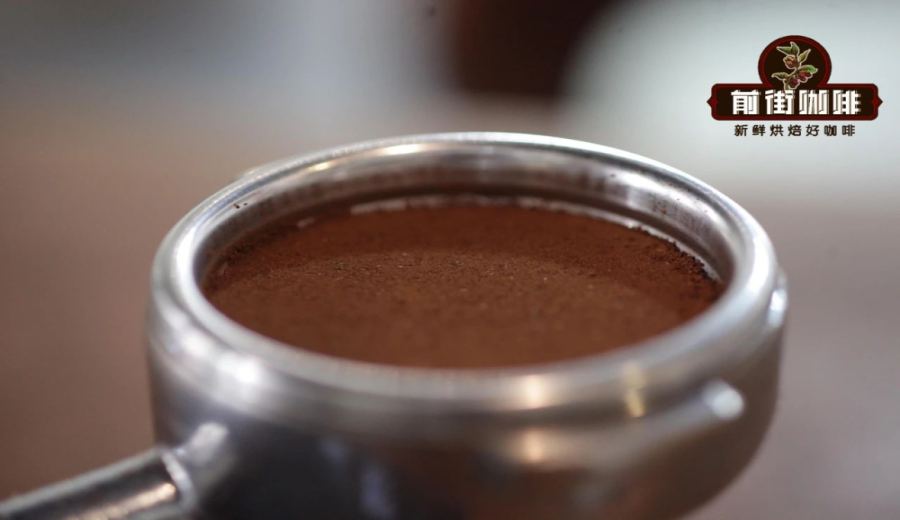
Let’s start with dose—a variable that seems simple but is extremely important. Dose determines the contact area between coffee grounds and water during extraction, which in turn affects overall extraction efficiency. Each portafilter basket has a recommended dose range, which can be determined in two ways: by consulting the official specifications provided by the basket manufacturer or by observing the ring markings on the inner wall of the basket. After tamping, if the top of the coffee puck is level with that ring line, it means the dose is just right. If the puck exceeds the ring line, it may prevent the portafilter from seating properly; if it falls below the line, the coffee bed may be disturbed during extraction, leading to flavor imbalance. In practice, for example, when using 19 grams of coffee, you should maintain a similar and accurate dosage each time, with an error margin ideally no more than 0.1 gram, to ensure consistency.
Next is yield, which refers to the final weight of the extracted espresso liquid. Many people initially estimate yield by volume (e.g., milliliters), but because espresso contains crema—which has a different density than pure liquid—weight (in grams) is now the standard measure. For example, using 19 grams of coffee to produce 38 grams of espresso results in the common 1:2 brew ratio. This ratio directly affects the body and flavor expression of the coffee: a higher yield generally yields a cleaner cup but may taste thinner, with more pronounced bitterness; a lower yield results in a more concentrated, layered flavor, but over-concentration can also bring about unpleasant astringency. In the past, some baristas would observe changes in crema color to determine when to stop extraction—when the crema turns from dark brown to pale, it’s usually a sign that extraction is complete.
Finally, extraction time is another crucial lever in adjusting espresso flavor. The general recommendation is to aim for an extraction time between 20 to 30 seconds, with many specialty shops preferring a range of 25 to 30 seconds. With dose and yield fixed, a shorter time indicates faster water flow, potentially under-extracting the coffee and resulting in a sour, astringent, and thin-bodied cup; conversely, a longer time indicates over-extraction, often leading to burnt, bitter flavors and a sticky, unsmooth mouthfeel. The only way to adjust extraction time is by altering the grind size: grinding coarser speeds up the flow and shortens time, while grinding finer slows the flow and extends time.
Combining these three variables, the process of adjusting espresso can be summarized as follows: First, fix the dose, such as choosing 19 grams, and keep it consistent; second, set an initial yield ratio, such as 1:2 (approximately 38 grams of espresso), and preset an extraction time range, such as 25 to 30 seconds; then, perform the actual extraction and tasting, evaluating whether the flavor is balanced, too bitter, too astringent, or too thin; if the shot pulls too quickly (e.g., under 20 seconds), consider grinding finer to extend the time; if the shot pulls too slowly (over 30 seconds), grind coarser to shorten the time; after each small adjustment, extract again and evaluate until you find the best combination for the current beans. If the flavor is still slightly lacking, further adjust the brew ratio, such as changing to 1:1.8 or 1:2.1, and re-taste. Finally, record the most ideal parameter settings as a reference benchmark for future use.
In summary, adjusting espresso flavor is not solely based on intuition or experience, but by understanding the relationships between dose, yield, and time to gradually identify the optimal extraction parameters for the current beans and environment. Mastering this adjustment logic allows even beginners to progressively improve extraction stability, ensuring every shot of espresso achieves the best possible balance and complexity.
The above content is compiled by CoffeeHunters, a coffee news website.


