







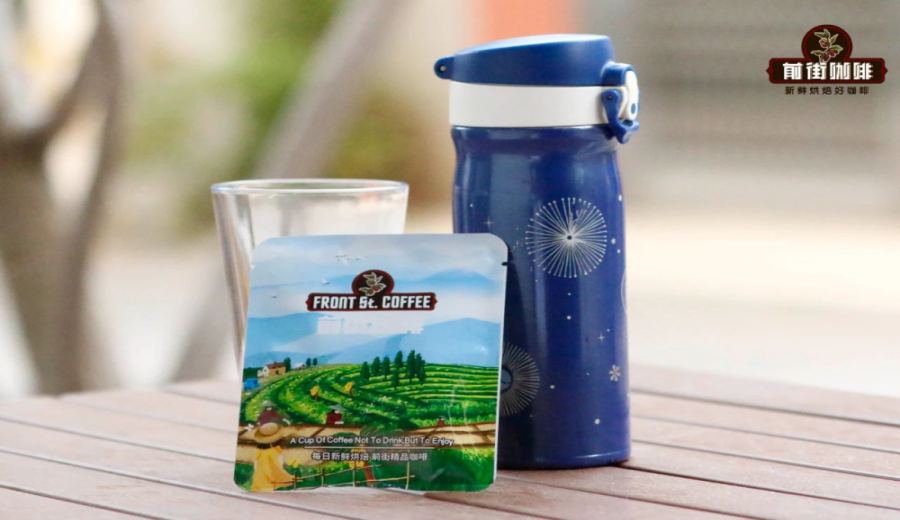
Introduction:Drip bags are the go-to choice for many busy individuals who want to enjoy the flavor of pour over coffee, but do you know how to brew them correctly to achieve the best taste? This article explains the origins of drip bags, whether they are considered pure coffee, if they can be rebrewed, and provides clear illustrated steps. It covers key brewing parameters such as water temperature, coffee-to-water ratio, and blooming techniques, so you can brew a cup of coffee with clear flavors at home or in the office.
Thanks to their convenience and pour over-like flavor, drip bags have become a daily choice for many office workers and travelers. However, for those trying them for the first time, how to brew them correctly remains a big question. This article will start with the origin of drip bags, delve into whether they are pure coffee and whether they can be brewed twice, and guide you through key techniques such as water-to-coffee ratio, water temperature control, and blooming time with clear and easy-to-understand illustrations, helping you get started with ease.
The Birth and Clever Design of Drip Bags
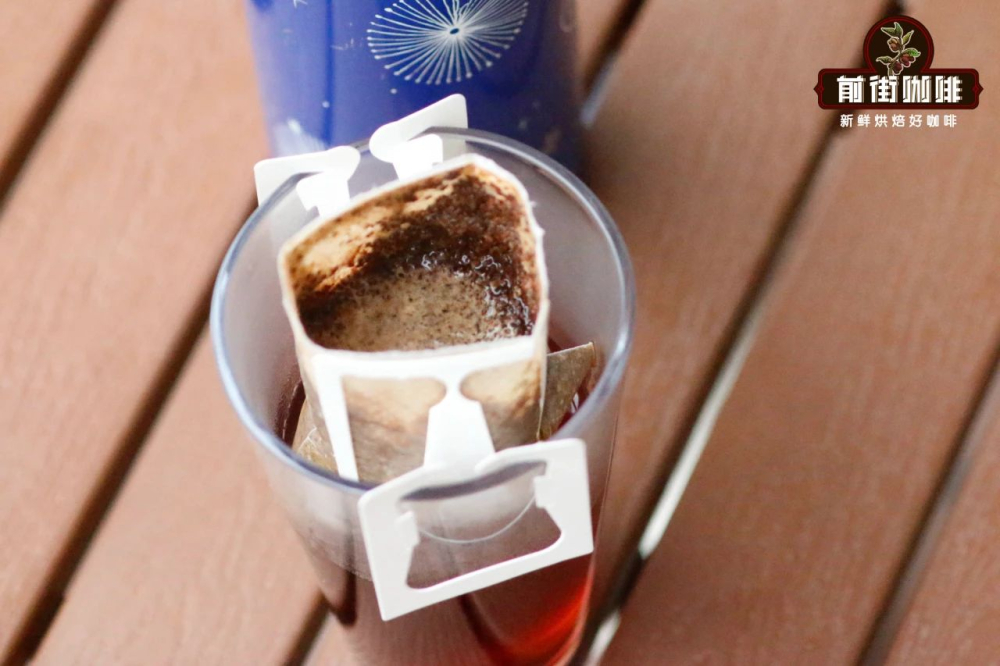
The prototype of drip bags can be traced back to 2001, when it was developed and patented by Japan’s UCC Ueshima Coffee. It was officially launched to the market afterward. In Japanese, this type of product is called “ippai chūshutsu-gata kōhī,” which means “one-cup extraction coffee.” Its design principle involves sealing ground coffee powder in a non-woven or cotton filter bag, with paper-like supports on both sides resembling ears. Once opened, these “ears” can be hung on the edge of a cup. After pouring hot water and removing the filter bag, you get a cup of black coffee.
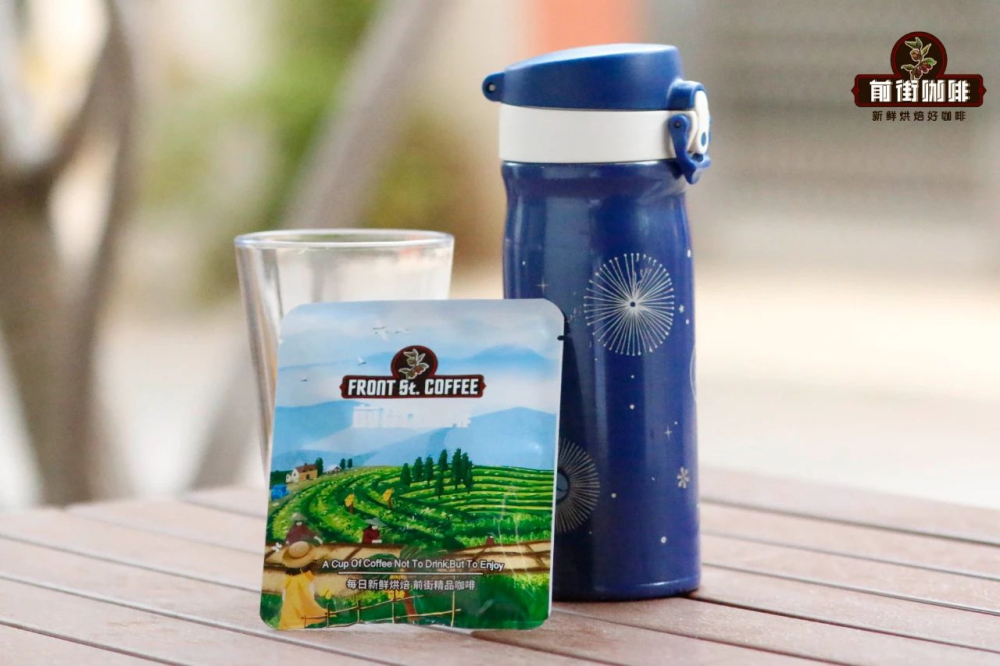
The biggest advantage of this design is its convenience and speed — no complicated equipment is needed, yet it delivers richer flavor than instant coffee. However, because pre-ground coffee is used, compared to whole beans, its aroma can dissipate more quickly over time. Therefore, it is recommended to choose freshly made products, such as drip bags produced within five days of packaging, for the best flavor. Currently, in Japan, drip bags account for about 15% of the general coffee market, and since 2010, they have gradually become popular in Taiwan and mainland China, often found in office settings.
What Exactly Is a Drip Bag?
In simple terms, a drip bag is a filter packet that contains ground roasted coffee beans, along with filter paper and two “ear”-like supports on either side. These “ears” can be placed on the rim of a cup during brewing to stabilize the position of the filter bag. Its biggest selling point is that it allows you to quickly and easily brew a cup of black coffee with a pour over-like flavor, making it ideal for environments without specialized equipment, such as offices, homes, or while traveling.
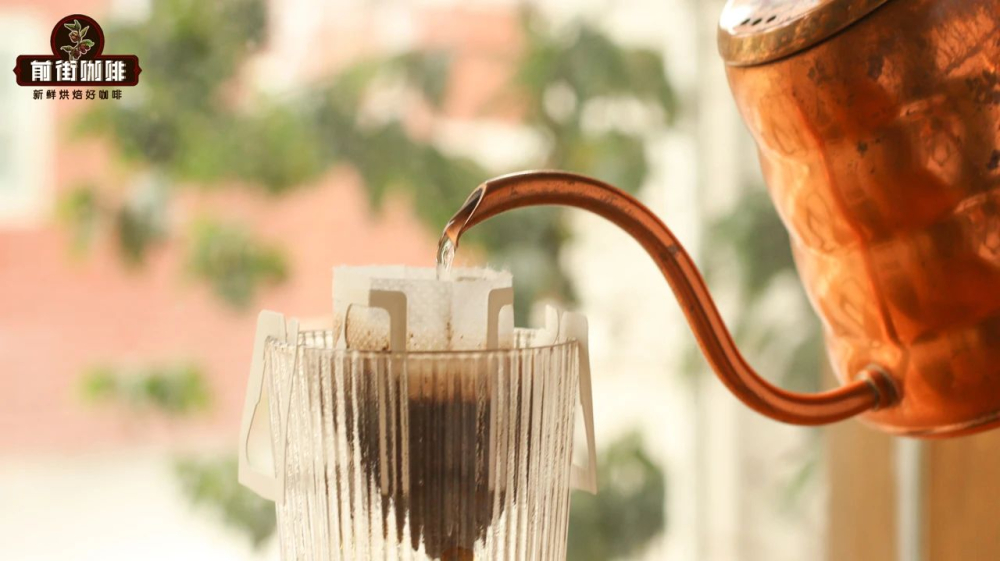
Compared to the full pour over process, drip bags do not require additional purchases of a grinder, scale, pour over kettle, or filter dripper. For those who enjoy pour over flavors but are limited by environment or equipment, it is a very user-friendly option. As long as you control the water temperature and pouring method well, you can still fully showcase the layers and flavor characteristics of the coffee.
Correct Brewing Steps for Drip Bags
The key to brewing drip bags lies in mastering several core parameters: coffee dosage, water temperature, coffee-to-water ratio, and blooming time. Generally, each drip bag comes pre-filled with a fixed amount of coffee, usually 10 grams, so there's no need to weigh it yourself.
The recommended coffee-to-water ratio is 1:15 to 1:16, meaning 1 gram of coffee powder is paired with 15 to 16 milliliters of water, yielding approximately 140 to 150 milliliters of brewed coffee. As for water temperature,around 90°Cis ideal. If you don’t have a thermometer, you can turn off the heat after the water boils, lift the lid of the kettle, and let it sit for about 2 to 3 minutes (assuming room temperature is around 28°C), allowing the water temperature to naturally drop to the desired range.
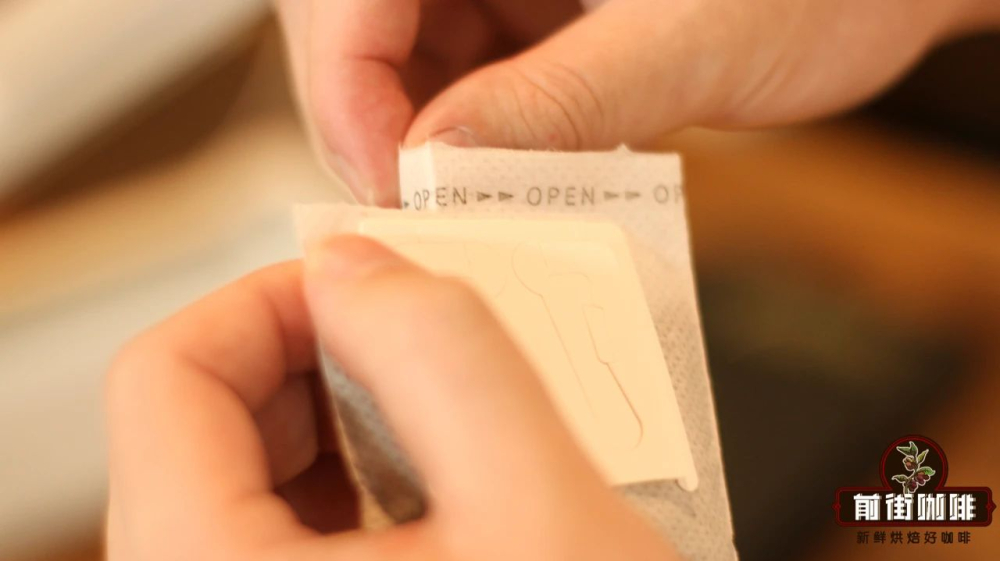
Before starting to brew, you can warm the cup with hot water to help maintain the coffee’s temperature and flavor. Then, tear open the seal along the “Open” mark on the drip bag, unfold the two “ears” and place them stably on the rim of the cup, gently shaking the coffee powder inside the filter bag to level it.
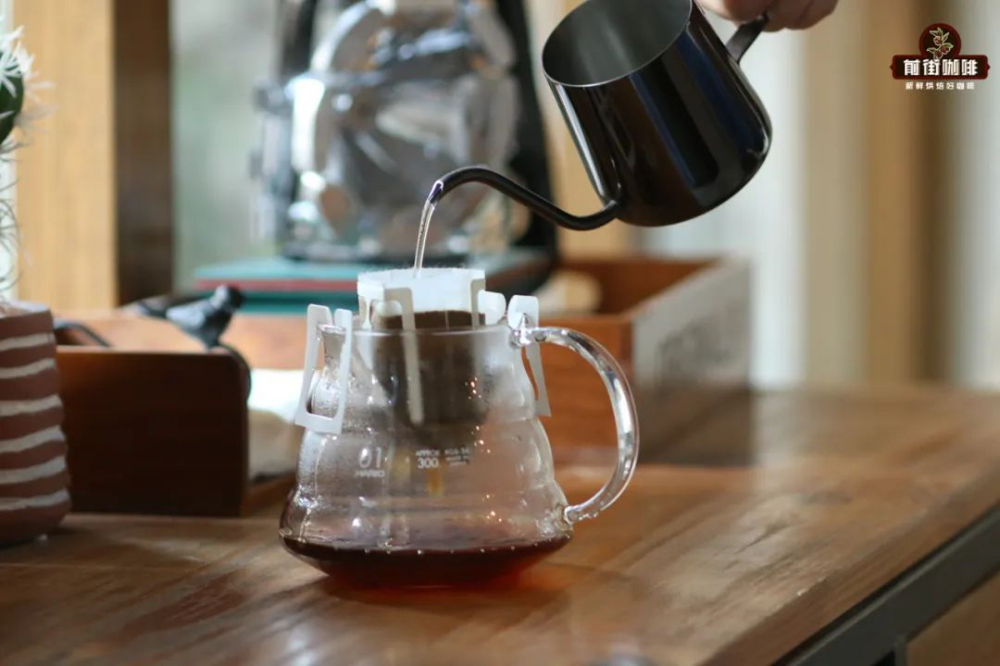
The first step is blooming: pour a small amount of hot water to evenly wet all the coffee grounds, then let it sit for about30 seconds.This step helps to activate the aromatic compounds in the coffee grounds. After blooming, begin the main pouring. It is recommended to pour in a circular motion, moving from the inside out and then from the outside in, keeping the water flow steady and fine. Depending on how the coffee layer settles, pour in increments until you reach the target volume, then remove the drip bag and enjoy your coffee.
If you want more precise control over the water volume, you can also pre-fill the kettle with 150 to 160 milliliters of hot water, pour it all in one go, then remove the filter bag. The entire process takes about 1 minute.
Please note that since drip bags use pre-ground coffee, the rate of flavor release is faster. It is recommended to drink it soon after brewing to get the best flavor performance.
Can Drip Bags Be Rebrewed? Are They Pure Coffee?
Drip bags are single-use products made with pre-ground coffee, so rebrewing is not recommended. After the first brew, most of the flavor and caffeine have already been extracted, and a second pour will only yield a weak and tasteless liquid, failing to deliver the full depth of the coffee.
In addition, drip bags contain no additives, only coffee powder and filter material, making them a form of pure coffee — perfect for those who enjoy the original flavor of black coffee.
[Image placeholder retained for subsequent insertion of explanatory diagrams]
The above content is compiled by CoffeeHunters, a coffee news website.


