







Introduction:An in-depth look at two distinctive Colombian coffee beans—Rose Valley from Granja La Esmeralda and San Jose Estate—covering their regional terroir, processing methods, recommended pour over parameters, and flavor profiles. This guide will help you understand how these two uniquely characterful coffees express different layers of complexity through anaerobic fermentation and rum barrel aging. Whether you're a beginner or an advanced pour over enthusiast, you’ll find your own entry point into their flavors.
Colombian coffee is widely praised for its balanced and stable flavor profile. However, even within this region known for its "middle-of-the-road" style, there are still bold, distinctive options. Rose Valley from Granja La Esmeralda in Santander and San Jose Estate from the Nevado del Ruiz volcanic region are two shining stars of flavor. The former employs anaerobic double-enzyme washed processing to unleash intense fruit and floral aromas, while the latter utilizes low-temperature fermentation in rum barrels to create a complex profile interwoven with wine-like notes and chocolate. This article will explore their origin backgrounds, processing techniques, pour over extraction recommendations, and actual tasting experiences.
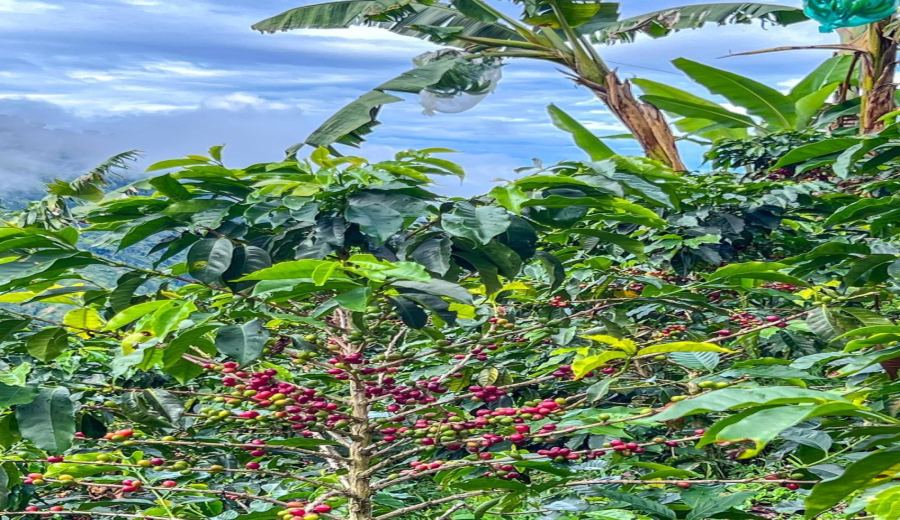
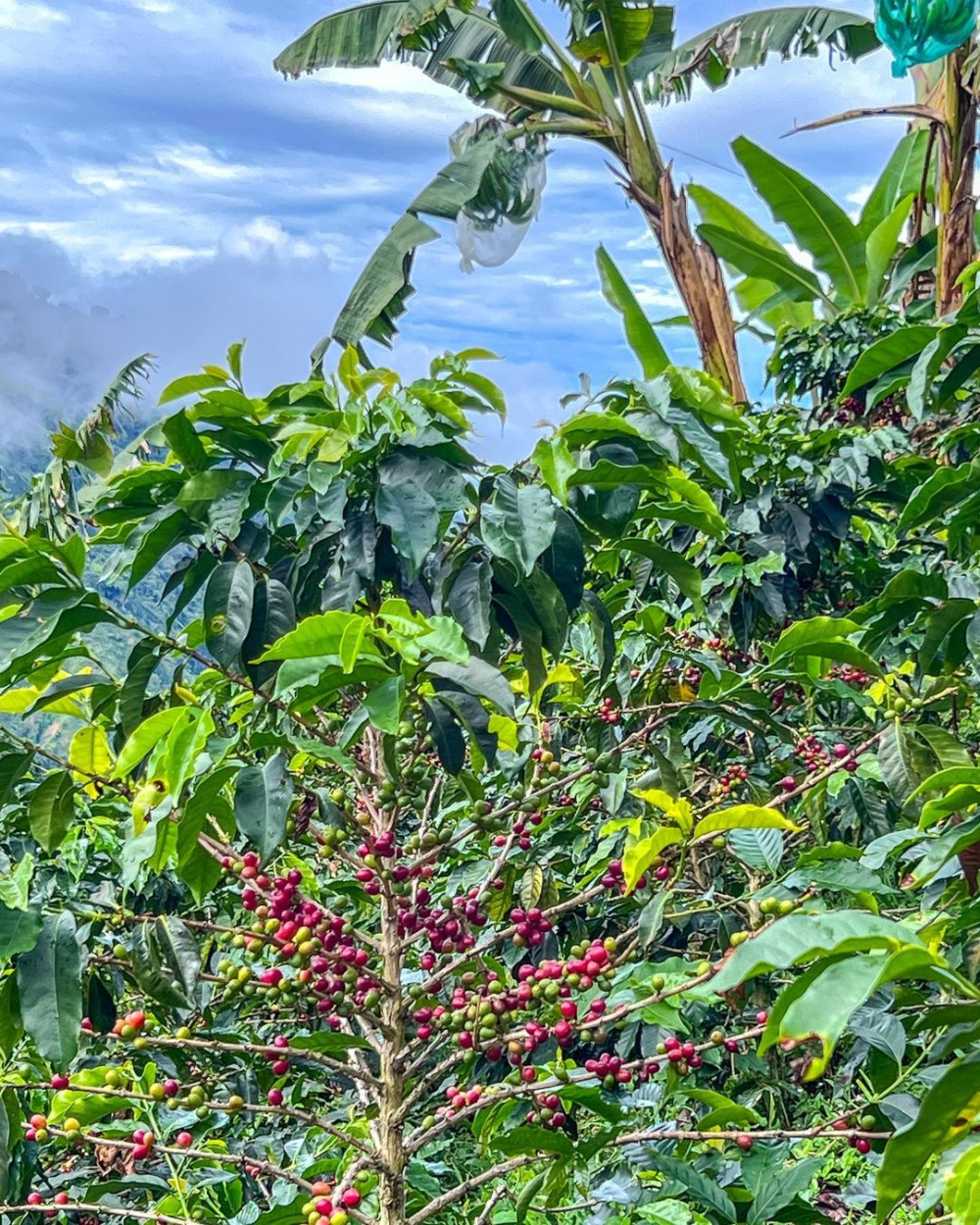
Located in northern Colombia, the department of Santander may not be as famous as the southern regions, but it is one of the country’s earliest coffee-growing areas and still contributes about 5% of the national output. Coffee here is grown at elevations between 1400 and 1600 meters, and the climate conditions produce pronounced fruity and herbal characteristics. Granja La Esmeralda’s signature anaerobic double-enzyme washed process builds on traditional anaerobic fermentation by introducing special enzymes for a secondary fermentation stage. This not only preserves the coffee’s clear fruitiness but also adds a layer of richness and complexity.
This coffee, known as "Rose Valley," after undergoing anaerobic double-enzyme washed processing, delivers an explosive aromatic performance: the initial sniff reveals sweet fruity notes of peach and strawberry, while a closer sniff unveils soft rose floral scents, and the finish even carries the mellow nuance of wine-infused chocolate. For pour over, it is recommended to use water at 91°C, with around 15 grams of coffee, a 1:15 coffee-to-water ratio, and a grind size equivalent to 80% passing through a Chinese standard No. 20 sieve (approximately the coarseness of fine sugar). The specific brewing steps are as follows: start with a 30-second bloom using 30 grams of water, then pour 95 grams of water (totaling about 125 grams), wait about 1 minute, and then pour the remaining 100 grams of water (totaling about 225 grams). The total extraction time should be controlled to around 2 minutes. These parameters help fully highlight the brightness of its fruit and floral notes while balancing its body.
When tasting, Rose Valley exhibits a rich juice-like peach flavor paired with gentle rose tea-like aromas. It feels smooth on the palate, akin to buttery toffee, with a bright acidity that is never sharp. The finish carries a touch of elegant sweet-tartness reminiscent of black grapes. The overall profile is refreshing yet layered.
The other star—San Jose Estate—comes from Colombia’s Caldas region, grown in the Nevado del Ruiz volcanic area at an elevation of up to 1750 meters. The soil is rich in volcanic ash, and the significant day-night temperature variation provides ideal growing conditions for coffee. This estate has a history of over a hundred years and has recently been actively engaged in specialty coffee processing experiments, the most representative of which is low-temperature fermentation using family-owned rum oak barrels.
This innovative processing method involves depulping the Castillo variety coffee cherries and placing them in aged oak wine barrels for low-temperature fermentation, followed by traditional washed steps and sun drying. This imparts the coffee with unique wine-like aromas and a rich mouthfeel, while retaining the Castillo variety’s disease resistance and stable yield. The green beans of San Jose Estate’s coffee are a healthy bluish-green color, and the bags emit strong fermented aromas and mature fruit scents upon opening.
For pour over, it is also recommended to use water at 91°C, 15 grams of coffee, a 1:15 coffee-to-water ratio, and a grind size similar to the previous coffee. The brewing process can follow this sequence: begin with a 30-second bloom using 30 grams of water, then pour 95 grams of water (about 125 grams total), wait about 1 minute, then pour an additional 100 grams of water (totaling about 225 grams), with the total extraction time maintained between 2 and 2.5 minutes. These parameters balance the release of wine aroma, fruitiness, and sweetness, avoiding over-extraction or aroma loss.
In actual tasting, San Jose Estate displays pronounced rum-like aromas along with a rich wine-infused chocolate tone. The mid-palate introduces sweet tropical fruit notes such as pineapple and mango, while the finish is accompanied by a smooth maple-like sweetness. The acidity is soft, and the overall mouthfeel is round and full, making it ideal for those who enjoy bold flavors and layers of wine-like complexity.
In summary, these two Colombian coffees represent innovative directions in local processing methods: one highlights fruit and floral notes through anaerobic enzyme washing, while the other brings out rich winey tones and chocolate layers via barrel fermentation. Whether you’re just beginning to explore the flavor world of pour over coffee or have some experience and want to try different processing styles, both are worthy additions to your pour over bean lineup, serving as excellent choices for daily drinking or tasting sessions.
The above content is compiled by CoffeeHunters, a coffee news website.


