







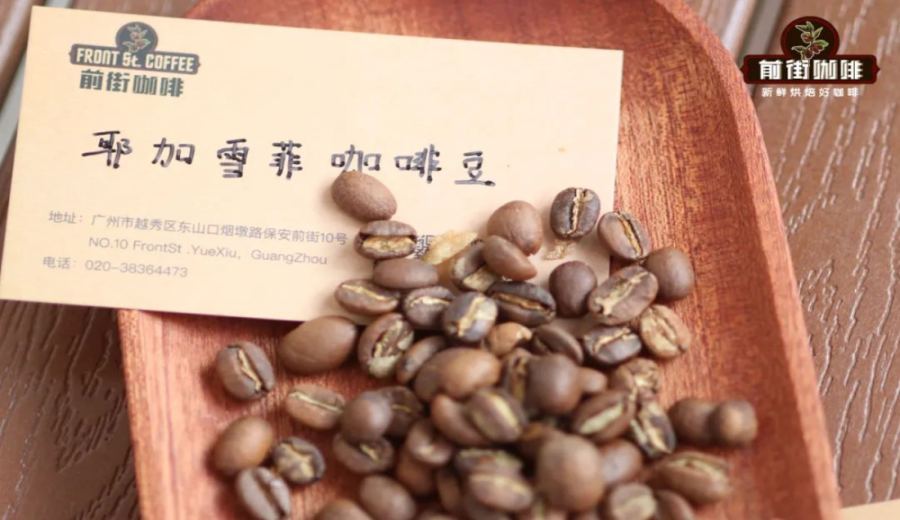
Introduction:Yirgacheffe is the gateway bean for many coffee newcomers to discover specialty coffee, renowned for its bright floral aroma and vibrant acidity. This washed Ethiopian coffee bean, crafted through light roasting, unveils clean citrus and jasmine notes. This article will delve into the characteristics of the Yirgacheffe growing region, the evolution of washed processing, and roasting philosophy, while also providing professional-grade V60 pour over three-stage parameters to help you accurately reproduce its layered fruity and floral flavors.
With its distinctive floral-fruity aroma and refreshing acidity, Yirgacheffe coffee has become an enlightening choice for many coffee enthusiasts entering the world of specialty coffee. Grown in the high-altitude northwest region of Ethiopia’s Sidamo Province, this coffee bean, through washed processing and light roasting, delivers a clean, bright, and well-layered profile of citrus and white floral tones, completely redefining the stereotype that black coffee must be strong and bitter.
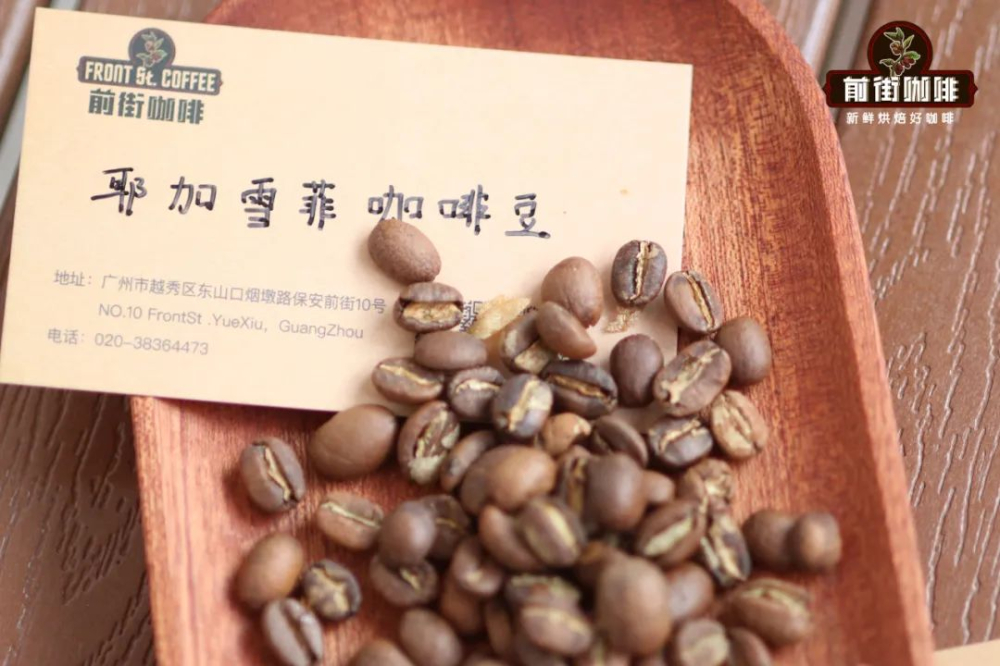 In the past, many people’s impression of black coffee was limited to the intense bitterness brought by dark roasting, such as certain common Indonesian or Central and South American bean varieties. However, Yirgacheffe appears with a completely different fresh profile, featuring delicate jasmine and bright lemon acidity, delivering a lively and refreshing taste that redefines the sensory experience of coffee and becomes a top choice for many newcomers stepping into the specialty coffee world.
The essence of Yirgacheffe’s flavor lies in the perfect combination of its growing environment, washed processing technique, and light roasting. Originally just a small town within Ethiopia’s Sidamo Province, the region, with altitudes ranging from 1700 to 2100 meters, enjoys cool and stable climates, year-round fog cover, and moderate humidity—conditions highly favorable for coffee tree growth. Later, due to its outstanding flavor performance, it was split from the larger Sidamo producing region to become today’s independent Yirgacheffe region.
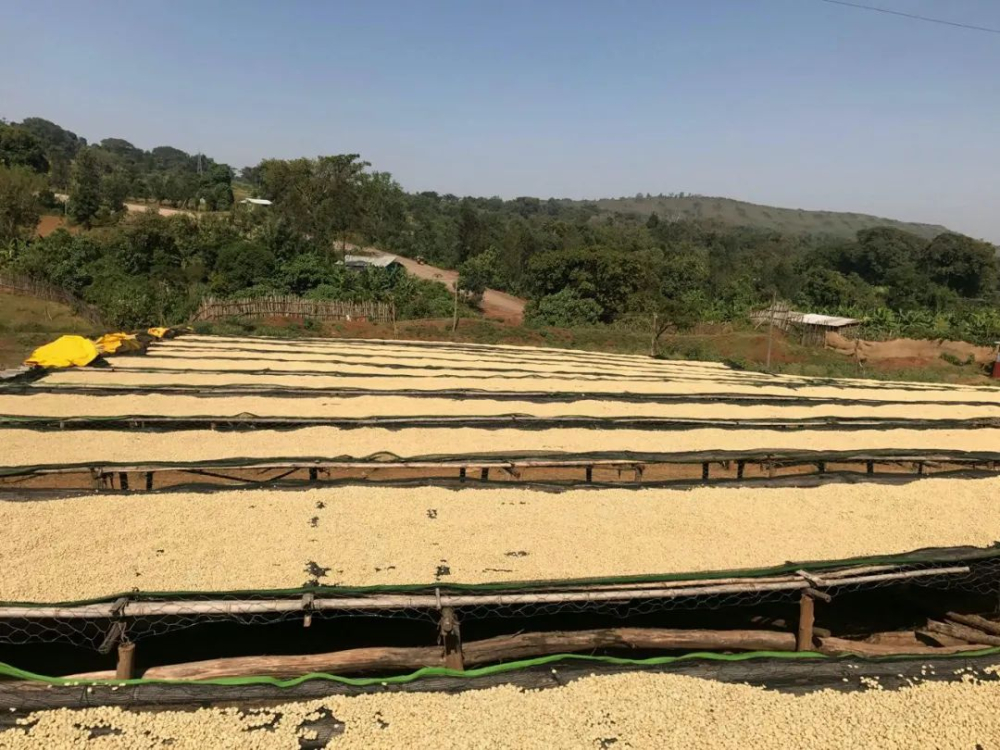
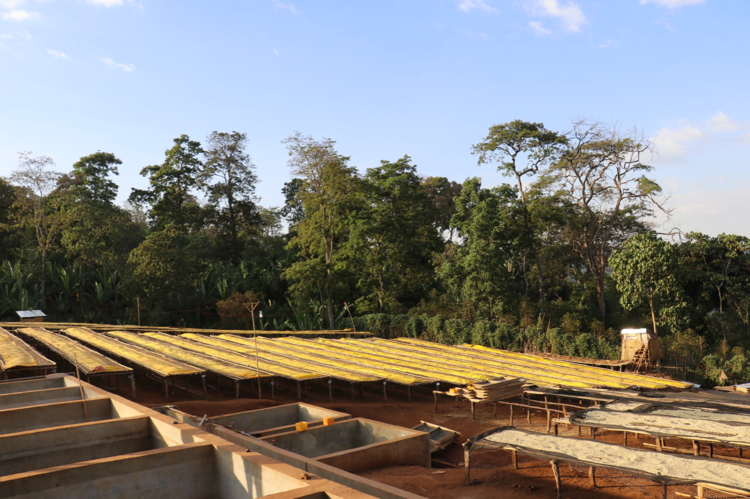 In the early days, Ethiopia mainly used the natural (sun-dried) processing method, which was prone to being affected by weather and hygiene conditions, leading to unstable flavors or even noticeable off-odors. In 1972, the local government introduced washed processing technology originating from Central and South America, significantly improving coffee quality and consistency. The washed method not only effectively reduces defect rates but also highlights Yirgacheffe’s unique citrus tone and delicate floral notes, making the coffee flavor brighter, cleaner, and more layered.
Unlike traditional dark roasting that pursues rich nutty and chocolatey flavors, Yirgacheffe is mostly presented with light roasting to preserve more of its native fruit acids and aromatic compounds. Light roasting reduces the generation of bitter and astringent substances, allowing the coffee to showcase refreshing flavors like lemon, green tea, and white flowers. This aligns with modern consumers’ preference for a balanced sweetness and acidity, and is also one of the reasons why it stands out in the global specialty coffee market.
Washed processing endows Yirgacheffe with clear, bright acidity and bold floral notes, while light roasting locks in these delicate flavors, making this coffee a classic representative of the fruity-floral profile. Commonly found small-packaged everyday beans, such as 100-gram packs of washed Yirgacheffe priced around 25 yuan, are not only suitable for daily drinking but also an excellent entry choice for exploring the flavor characteristics of the region. For consumers new to specialty coffee, sampling different regional samples can help them more accurately find the type of coffee that suits their personal taste.
Many consumers, after purchasing washed Yirgacheffe, often wonder how to brew it to bring out its classic flavors. Below are professional-level pour over suggestions, using the V60 filter as an example, and employing a three-stage pouring technique to fully extract the bean’s aroma and layers.
First, since Yirgacheffe is a light-roasted coffee, it is recommended to use hot water at 92–93°C to fully elicit its floral and citrus tones. The recommended grind size is medium-fine, about 78% passing through a Chinese standard No. 20 sieve, with a texture similar to fine sugar. Note that too coarse a grind may lead to under-extraction and weak flavors, while too fine a grind may cause over-extraction and unnecessary bitterness at high temperatures.
During actual extraction, a three-stage pouring method can be used to control the release rhythm of flavors at different temperatures. The V60 filter, with its spiral groove design, aids in gas release, promoting the release and dissolution of acidic aromatic compounds. The recommended coffee-to-water ratio is 1:15 to 1:16, adjustable based on personal preference for a stronger or lighter taste. Opt for 1:15 if you prefer a richer brew, or 1:16 if you want a clearer expression of floral notes and sweetness.
Specifically, start with a bloom using twice the coffee’s weight in water (about 30 grams) to wet the grounds and form a dome, with a bloom time of about 30 seconds. Then, pour in small streams in a circular motion from the inside out until reaching 125 grams for the first pour. Wait for the coffee bed to descend to the middle of the filter before continuing to pour up to 225 grams to complete the extraction, keeping the total time within approximately 2 minutes.
The brewed Yirgacheffe should exhibit elegant white jasmine floral notes, with a distinct lemon and citrus acidity upon tasting, a natural sweetness reminiscent of sugarcane, a clean and bright mouthfeel, and a lingering aftertaste as refreshing and enduring as green tea. As the temperature cools, subtle berry-like acidity and sweet notes may emerge, adding further layers of flavor.
The above content is compiled by CoffeeHunters, a coffee news website.


