








Introduction:Espresso is the soul of classic Italian-style coffees such as lattes and cappuccinos, and also a key indicator of a café’s professionalism. This article delves into the definition of espresso, its core extraction conditions (high pressure, high temperature, fine grind, short time), and in accordance with SCA international standards, it explains practical parameters such as dose, extraction time, yield, and ratio. In addition, it shares key details that influence flavor, such as the freshness of coffee beans, the formation principles of crema, and adjustment techniques for common extraction issues, helping you comprehensively master the secrets of espresso from beginner to advanced.
Espresso is truly the foundation of all Italian-style coffee beverages. Whether it's a refreshing Americano, a silky latte, or a rich mocha, they all stem from a high-quality shot of espresso. The quality of espresso directly affects the overall standard of a café's output. What exactly is real espresso? How can you extract a balanced and layered shot of espresso? This article will take you from the definition, step by step through the essence of its production.
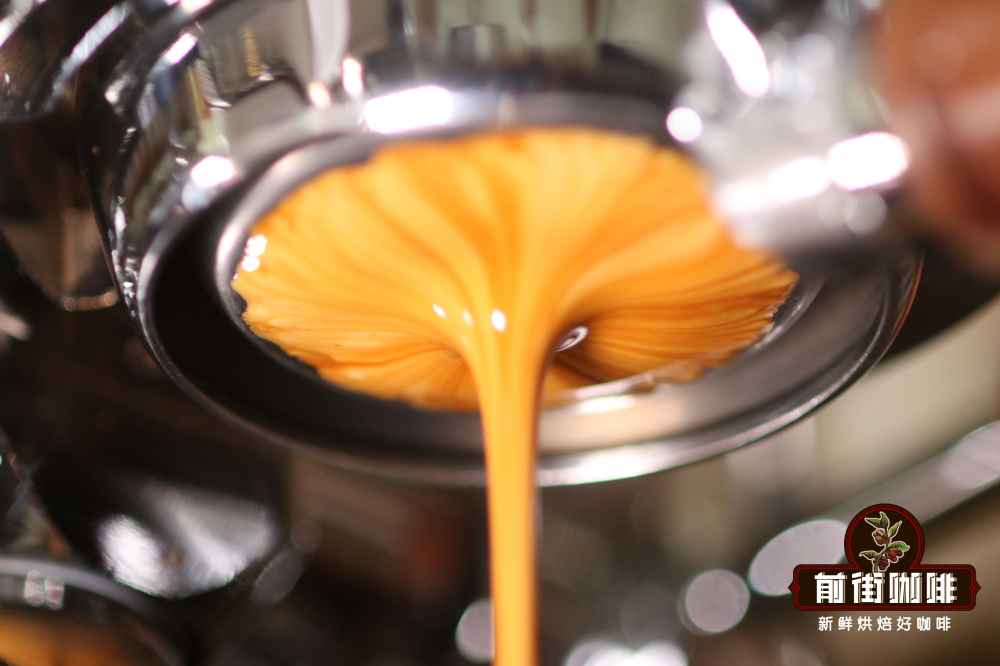
So-called espresso refers to using a high-pressure espresso machine to extract a small amount of extremely finely ground coffee in an extremely short time (usually 20 to 30 seconds), producing a rich and creamy coffee liquid. This process not only releases a large amount of aroma and flavor from the coffee but also forms a layer of golden, velvety foam on the surface—commonly known as “crema.” This crema is not just a visual delight but also a key carrier of aroma and taste, giving the coffee a richer layer of complexity.

According to the standards set by the Specialty Coffee Association (SCA), a double shot of espresso typically uses 14 to 18 grams of coffee grounds, with an extraction time controlled between 20 and 35 seconds, yielding 25 to 35 grams of coffee liquid. The extraction pressure is about 9 to 10 bar, and the water temperature is maintained between 90 and 96°C. In practice, each shop may fine-tune these parameters based on bean characteristics and equipment status, but these four key elements—high pressure, high temperature, fast extraction, and very fine grind—are always the foundation for making a successful espresso.
First, let’s talk about high pressure. Unlike pour over or drip brewing, an espresso machine uses a pump to generate 9 to 10 atmospheres of pressure, forcing hot water to quickly penetrate a tightly packed coffee puck, efficiently extracting soluble flavor compounds. Most commercial machines can reach 9 to 10 bar, and some professional-grade machines can even be adjusted up to 11 bar. This high-pressure environment is essential for forming crema and achieving a rich, bold taste.
Next is water temperature. High temperatures help release aromatic compounds in the coffee, but too high can lead to over-extraction and burnt bitterness. The SCA recommends keeping the water temperature between 90 and 96°C. In practice, many shops stabilize the temperature around 94°C to achieve an ideal balance of acidity, sweetness, and bitterness.
Extraction time is equally crucial. The “fast” aspect of espresso is reflected in its extremely short extraction time of 20 to 35 seconds. If under 20 seconds, the coffee is often weak and flavorless; over 35 seconds, it is prone to over-extraction, resulting in noticeable burnt bitterness and astringency. Most professional shops aim for 28 to 30 seconds to get the best flavor performance.
Finally, there’s grind size. Due to the extremely short extraction time, an extremely fine and uniform grind is necessary to ensure sufficient flavor release in a short period. This also means you need a high-quality, espresso-specific grinder to ensure consistent particle size and avoid channeling that affects extraction uniformity.
To make a satisfying espresso at home, in addition to mastering the basic conditions above, it's also important to pay attention to some practical details. First is the freshness of the coffee beans. The crema in espresso is actually the result of carbon dioxide from freshly roasted beans dissolving into water under high pressure. If the beans have been stored for more than two months, it’s often difficult to form complete and fine crema. Therefore, it’s recommended to choose freshly roasted beans within 5 days of roasting and allow for an appropriate resting period, especially medium to dark roast espresso beans, which usually need 7 to 10 days for carbon dioxide to dissipate adequately to ensure stable extraction and optimal flavor expression.
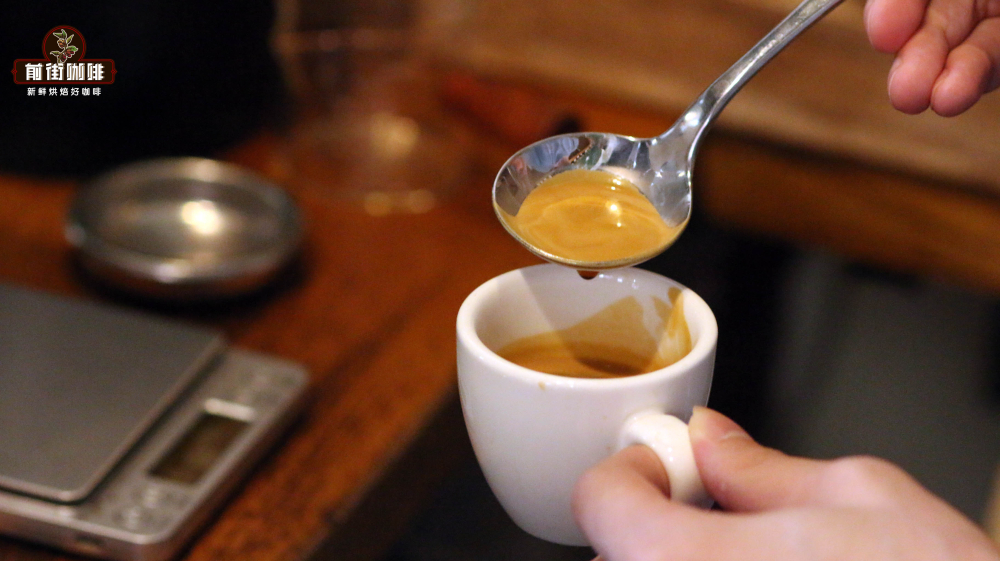
During actual extraction, it is recommended to use a double-shot basket, with a dose typically between 18 and 20 grams. A common extraction ratio is 1:2 (e.g., 20 grams of coffee yielding 40 grams of liquid). If you prefer a bolder taste, you can adjust the ratio to between 1:1.5 and 1:2.5. The extraction time should be controlled between 20 and 35 seconds, with 28 to 30 seconds being the “golden range” recognized by most shops.
In terms of specific operation, you first need to ensure the portafilter basket is dry, then use a distribution tool to evenly spread the coffee grounds, followed by using a tamper to press down vertically, ensuring the puck is compact and level. Next, run water for 1 to 2 seconds to wet the group head and clear any residual coffee grounds, then attach the portafilter and start the extraction. Observe the weight and time on the scale—when about 40 grams of liquid have been extracted and the time is around 30 seconds, you can stop the extraction. It's important to note that humidity and bean condition vary daily, so it’s advised to fine-tune dose, grind size, and yield according to actual conditions.
The flavor profile of espresso is closely related to the coffee beans used. For example, some common blends combine winey fermented beans with natural sun-dried beans, bringing intense fruitiness, spices, and a creamy texture, with a distinct layered taste and long aftertaste. Other blends focused on nuts, cocoa, and caramel showcase a rich, full-bodied mouthfeel, which when paired with milk, further highlights sweetness and a silky texture. No matter which flavor direction you choose, stable extraction and fresh beans are the keys to making a great espresso.
The above content is compiled by CoffeeHunters, a coffee news website.


