







Introduction:Although both Americano and Long Black are based on espresso, the difference in their preparation sequence creates distinctly unique flavor and mouthfeel experiences. This article delves into the extraction processes of both, the retention of crema, and compares their actual flavor profiles to help you understand which suits your taste preferences better. It also supplements key parameters and common misconceptions to enhance your coffee tasting experience.
In the world of coffee, both Americano and Long Black are espresso-based, but the subtle difference in their preparation sequence leads to significant variations in mouthfeel and flavor. The former is made by extracting espresso first and then adding hot water, where the crema tends to disperse due to the impact of the water flow, resulting in a more uniform overall concentration; the latter involves pouring hot water first and then adding the espresso, allowing the crema to be fully preserved, with flavors transitioning distinctly from rich to refreshing.
The key to a delicious Americano lies in the quality of the coffee beans and the extraction technique. If the same blend is used to make both an Americano and a Long Black, the flavor profiles will differ greatly. For example, the Sunflower Warm Sun blend can showcase sherry wine notes, berry acidity, and chocolate aftertaste, but these flavor layers will emphasize different aspects under different brewing methods.
So, what does an Americano actually taste like? The answer ultimately comes down to the most basic element — the coffee beans. Americanos have a low barrier to preparation, aiming for speed, convenience, and spontaneity. Compared to espresso, its mouthfeel is fresher and it can more directly highlight the original flavors of the coffee beans. For this reason, it is almost a staple drink in every coffee shop.
However, the quality of iced or hot Americanos made by different shops can vary greatly. Some taste sweet and smooth, while others may be bitter and hard to drink. There are two main reasons for this difference: the quality of the coffee beans themselves and the barista’s extraction technique. Since an Americano consists only of espresso and water, the role of water is merely to dilute, so the final flavor is almost entirely determined by the espresso. And the performance of the espresso depends on the bean selection and extraction method. An ideal Americano should be balanced and mellow, avoiding excessive wateriness, burnt bitterness, or overly sharp acidity.
If you notice a distinct bitterness when drinking an Americano, it may be due to over-extraction of the espresso; if it tastes overly sour, it may be under-extracted; and if the wateriness is too strong, it’s usually because too much water was added.
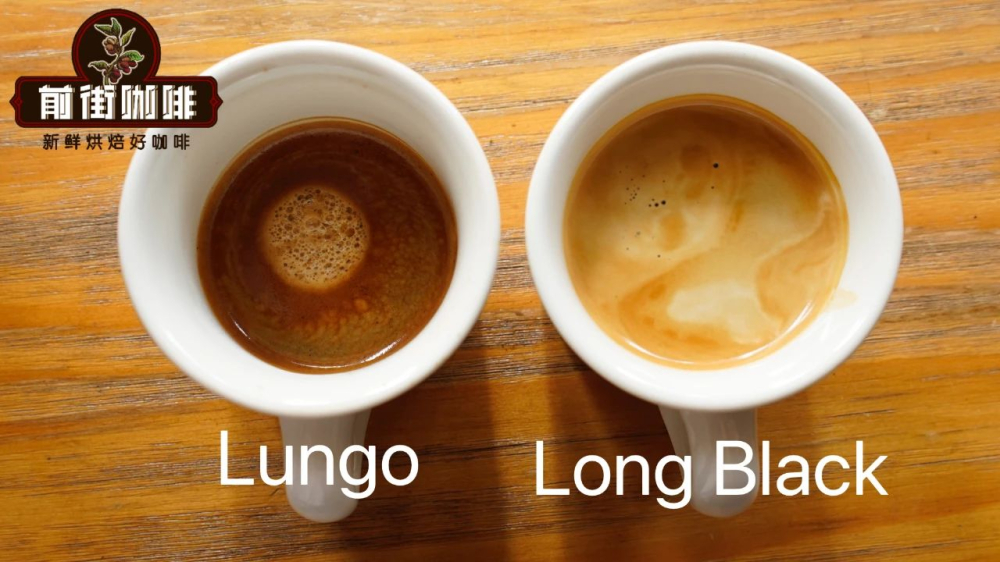
So, what are the common ways to prepare an Americano? Basically, they can be divided into two categories: one is extracting the espresso first and then adding water, which is the common Americano; the other is adding water first and then pouring the freshly extracted espresso, known as Long Black. Although both contain the same ingredients — espresso and water — the difference in preparation sequence leads to noticeable differences in crema retention and flavor layering.
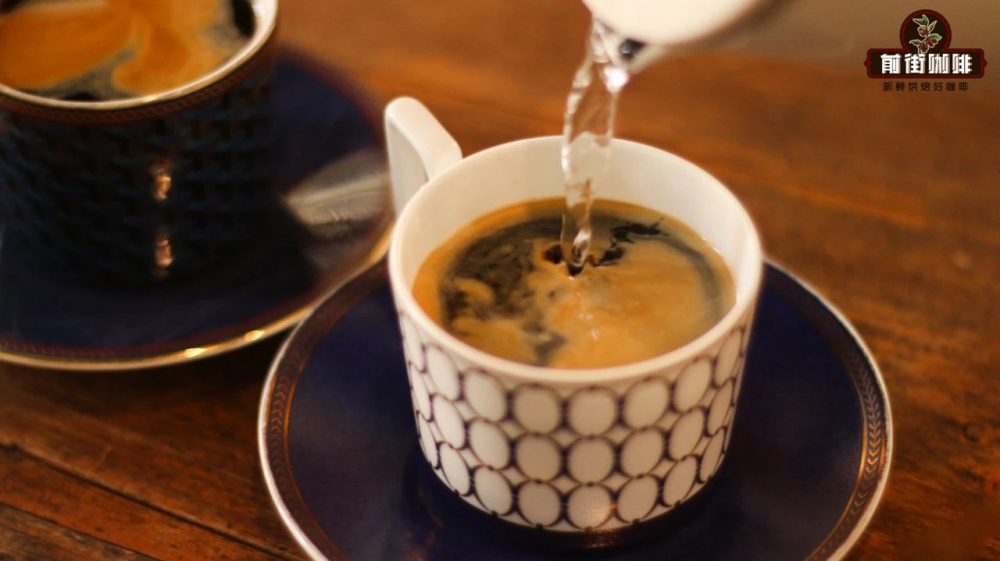
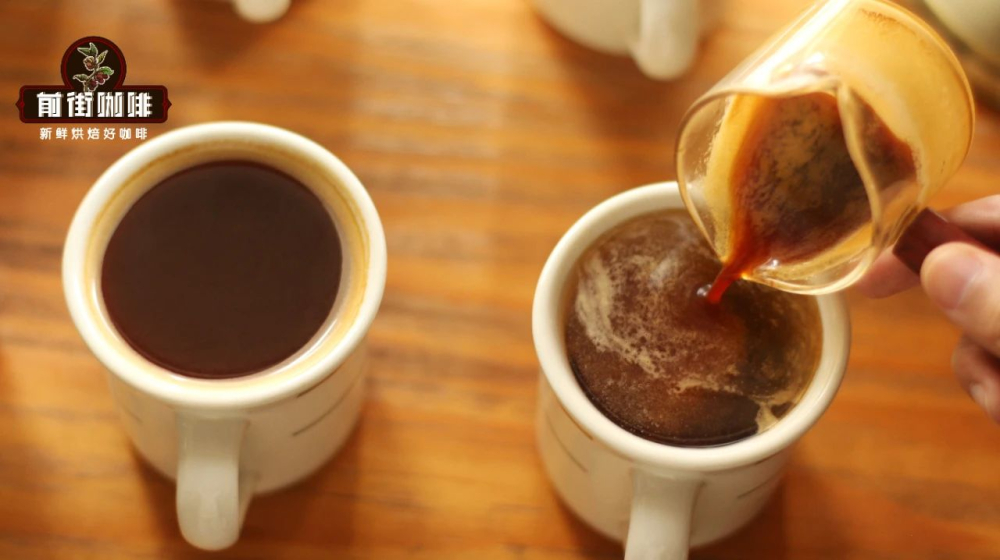
Let’s first discuss the standard way to make an Americano: after extracting the espresso, add hot water to dilute it. The ratio of espresso to water typically ranges between 1:5 to 1:8. This method causes the crema on the surface of the espresso to disperse due to the impact of the water flow, so the concentration and mouthfeel remain relatively consistent from the first sip to the last.
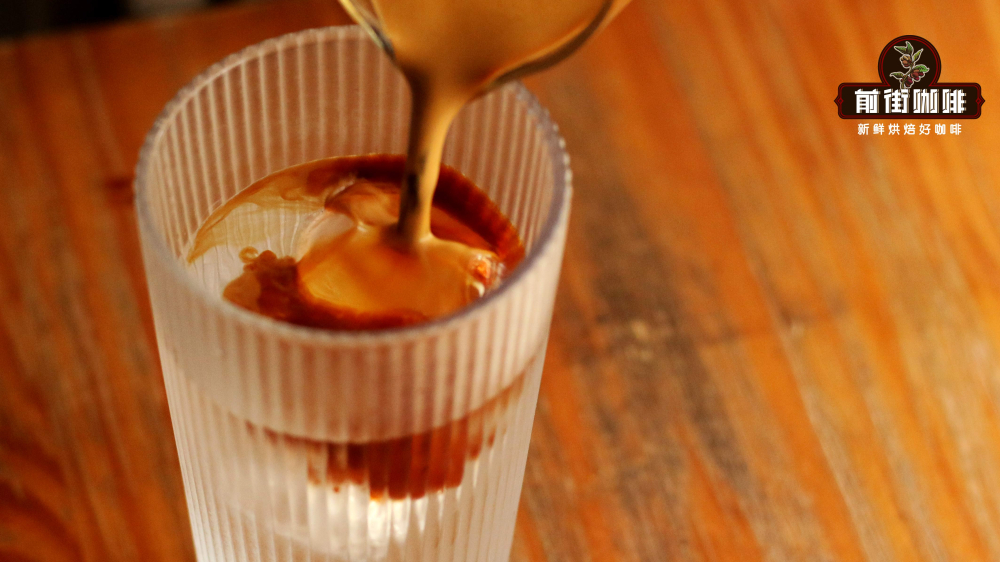
In contrast, the method for making a Long Black is the reverse: pour hot water into the cup first, then slowly add the freshly extracted espresso. This method preserves the crema on the surface of the espresso, with a ratio of espresso to water of about 1:3. Due to the different densities of espresso and water, without stirring, you’ll experience a natural transition from strong to light as you drink, with the first sip being particularly rich and bold, and you can enjoy the smooth texture brought by the crema, while the latter part feels cleaner and crisper.
In terms of flavor profile, there are also significant differences between Americano and Long Black. Taking the commonly used Sunflower Warm Sun blend at a certain coffee shop as an example, its extraction parameters are 20 grams of coffee grounds yielding 40 grams of coffee liquid, taking 28 seconds, with flavors presenting sherry wine notes, soft berry acidity, vanilla cream texture, and hazelnut chocolate aftertaste.
When made as a hot Americano at a 1:6 ratio, the flavor profile shows prominent sherry wine notes, less pronounced berry acidity, and an aftertaste of hazelnuts and vanilla chocolate; whereas when made as a Long Black at a 1:3 ratio, it feels smooth on the palate, with intense sherry wine notes, clear caramel and chocolate aftertastes, starting rich and ending clean, with distinct layers.
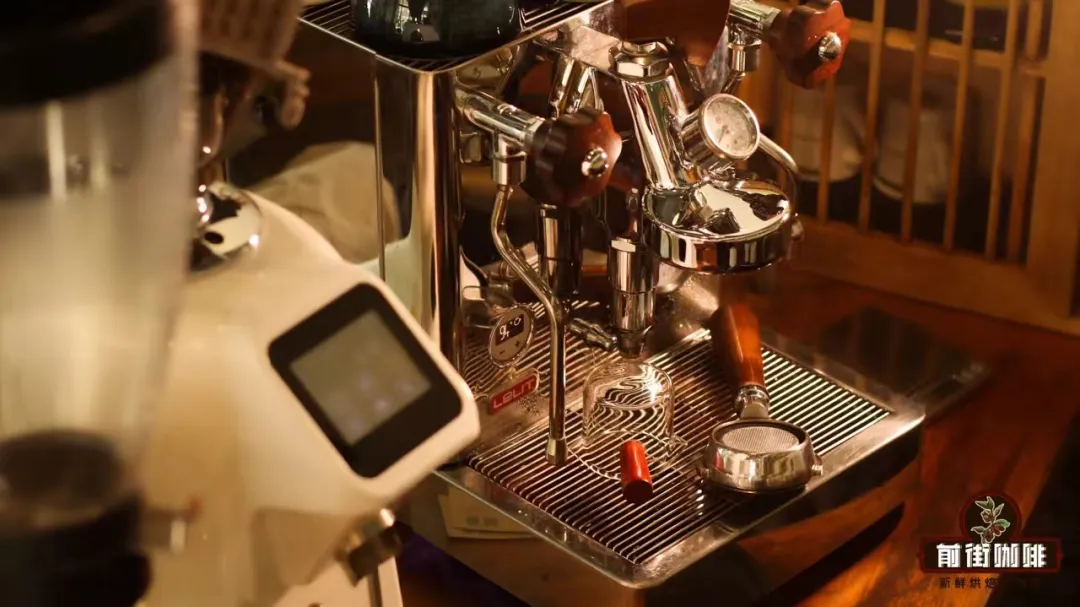
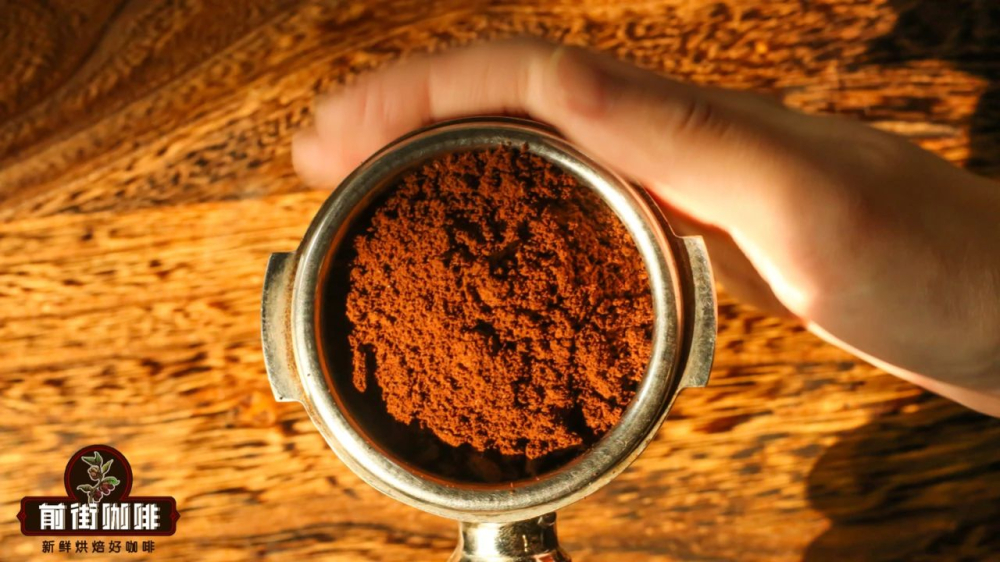
It’s worth noting that when making espresso, double shots are typically used, with a pressure of 9 bar, water temperature controlled at 90.5~96°C, extraction time of 25~33 seconds, and a coffee-to-water ratio of 1:1.7~1:2. The amount of coffee grounds varies depending on whether it’s a single or double shot — 12 grams for a single, 20 grams for a double, with yields of 20 ml and 40 ml respectively.
The design of blended coffee beans aims to combine the strengths of beans from different origins to create a more balanced and layered flavor. Currently, there are several espresso blends available on the market, including basic blends, commercial blends, Warm Sun blends, and premium blends, each with its own unique recipe and flavor profile.
First is the basic blend, which uses 60% Brazilian coffee beans and 40% Yunnan coffee beans, with flavors dominated by cream, nuts, and chocolate. This blend offers good value for money, suitable for both beginners and seasoned coffee enthusiasts. Its medium-dark roast brings mild acidity and sweetness, with a nutty aftertaste, and moderate crema performance, making it suitable for everyday latte preparation.
The commercial blend consists of 60% Brazilian, 30% Colombian, and 10% Robusta, with a rich and mellow flavor, a distinct nutty character, and strong sweetness when paired with milk. It has abundant crema and is suitable for commercial coffee shops, offering good value and stable performance.
The Warm Sun blend is a uniquely flavored coffee, using 60% Ethiopian sun-dried red cherry beans and 40% Honduran sherry coffee beans, undergoing special mature blending processing. Its flavors present black cocoa, citrus, and fermented wine notes, with rich layers, suitable for consumers seeking fresh and unique flavors.
The premium blend uses a recipe of 70% Brazilian and 30% Colombian, with a rich and mellow nutty flavor profile, suitable for pairing with milk. It’s a stable and classic choice, ideal for coffee lovers who prefer not to go for overly unconventional flavors.
The above content is compiled by CoffeeHunters, a coffee news website.


