







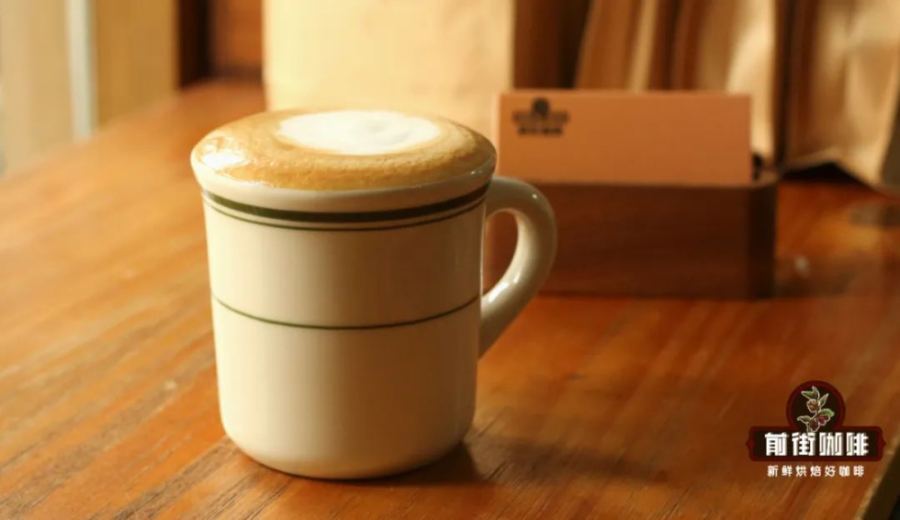
Introduction:As a classic Italian-style milk coffee, the cappuccino has evolved from its 18th-century Viennese origins to its modern Italian form, with its recipe ratios and milk frothing techniques constantly innovating. This article delves into the historical evolution of the cappuccino, the origin of the 1:1:1 golden ratio, the critical impact of milk foam thickness, and how techniques such as the golden crema ring and latte art enhance the drinking experience — helping you master the core elements of an authentic cappuccino.
The cappuccino is one of the most classic milk coffees on global café menus, but its definition and appearance have continuously adjusted along with the evolution of coffee culture. From the 18th-century Austrian Viennese 'Kapuziner' to the modern Italian version based on espresso with fine milk foam, this beverage reflects the coffee aesthetics of different eras in its recipe ratios, milk foam texture, and drinking methods. This article will take you from its historical roots, traditional practices to modern variations, giving you a comprehensive understanding of the key details that make a qualified cappuccino.
Regarding the origins of the cappuccino, while the first creator cannot be confirmed, the term 'Cappuccino' originates from the German 'Kapuziner', meaning 'monk' and also referring to an old-style coffee drink. It is said that this beverage was born in 18th-century Vienna, where coffee was often consumed with both grounds and water, resulting in a rough taste. A Pole named Kulczycki used a cloth bag to filter out the coffee grounds and added honey, spices, and fresh cream to the cup to make the coffee smoother, while also giving it a brownish hue similar to the robes of Capuchin monks, hence the name 'Kapuziner'.
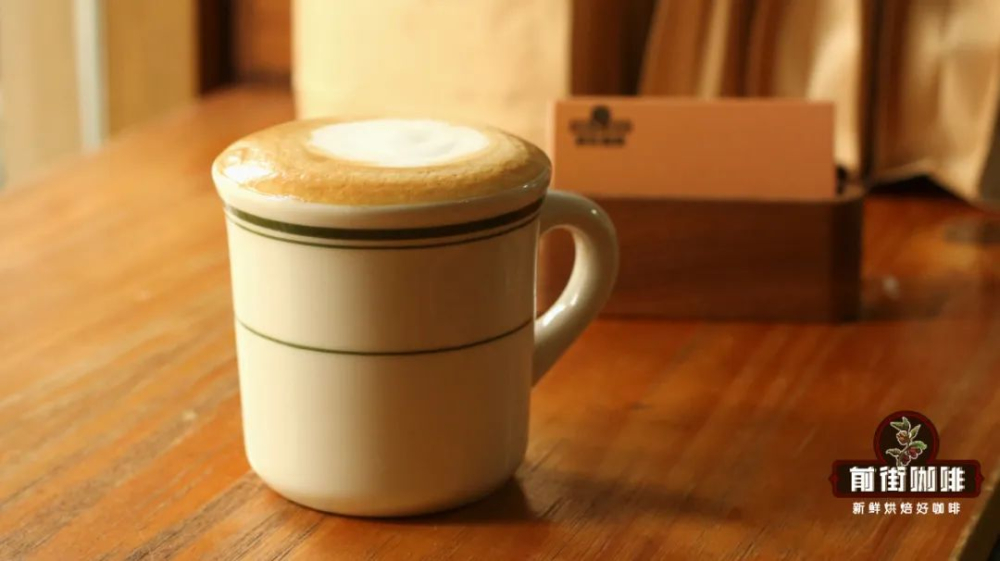
As this beverage made its way to Italy and with the popularization of the espresso machine, Italians switched to using espresso as the base, replacing butter with steam-frothed fine milk, and then using a spoon to shape the surface foam into something resembling a pointed cap. This new form of coffee gradually came to be called 'Cappuccino'. There is also a theory that its name is related to the black cassocks of Catholic Capuchin monks, while the original 'Kapuziner' was more commonly referred to as Viennese coffee.
When it comes to the old-school cappuccino, the most frequently mentioned is the 1:1:1 golden ratio. Taking a cup of about 177 milliliters (6 ounces) as an example, its composition includes a double shot of espresso (about 60 milliliters), one-third hot milk (about 60 milliliters), and the remaining one-third as foam. The foam produced by this ratio is usually about 2.5 centimeters thick, so the first two sips are almost all foam, while the bottom coffee flavor is extremely intense.
Before steam frothing technology became widespread, making milk foam relied entirely on manual stirring, producing coarser foam. The traditional method of making cappuccinos at the time involved scooping thick, hand-whipped foam into the cup with a spoon until the cup was nearly 11/10 full, forming a protruding white little pointed cap on the surface. This type of foam had a structure similar to meringue, with high stability, but did not fully integrate with the coffee liquid.
With the advent of high-pressure espresso machines, steam wand technology made milk foam production more convenient. The steam wand could not only produce fine and abundant milk foam, greatly improving production efficiency, but also eliminated the need to handle foam with a spoon. As a result, later cappuccinos no longer featured the 'little pointed cap', but instead had a smooth, slightly raised round 'dome'.
This transformation also shaped the classic image of the cappuccino: small serving size, slightly raised foam, intense coffee flavor, and thick, velvety foam texture. However, due to the heavy layer of foam reducing the fluidity of the milk’s swirling rise, cappuccinos are less suited than lattes for showcasing elaborate latte art patterns. Therefore, some baristas choose to pour the foam slowly from the center, allowing it to naturally sink into the espresso, thereby forming a clear 'golden crema ring'.
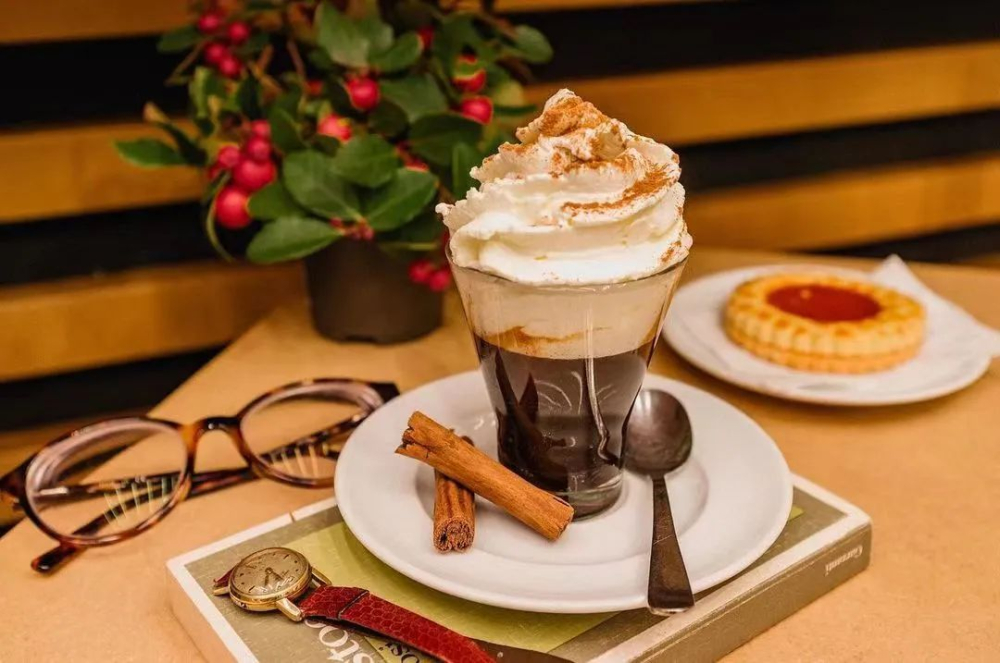
In recent years, with the rise of latte art, many baristas have deliberately adjusted the texture of the foam to create delicate patterns on milk coffee. To improve the flowability of the foam, they reduce the amount of air incorporated during frothing, resulting in thinner foam. Additionally, considering stability for takeout, some shops also lower the height of the foam protrusion, reducing the visual effect of a cup filled to 11/10.
It's worth noting that the so-called classic cappuccino is not about completely recreating the ancient recipe from a hundred years ago. As the quality of coffee beans, roasting styles, extraction equipment, and consumer tastes change, the form of the cappuccino continues to evolve. However, if a cappuccino loses its core characteristics such as 'small serving size, 11/10 full, intense coffee flavor, and thick, velvety foam', then it may have already deviated from the essence of this classic beverage.
The above content is compiled by CoffeeHunters, a coffee news website.


