







Introduction:The global coffee market primarily relies on three main species: Arabica, Robusta, and Liberica. They each have distinct flavor profiles, growing environment requirements, and brewing suitability, and serve as the foundation for many coffee enthusiasts’ entry into the world of specialty coffee. This article will provide a detailed introduction to the botanical characteristics, major growing regions, and taste differences of these three species, with a focused analysis of popular Arabica varieties such as Typica, Bourbon, SL28, SL34, Geisha, Caturra, and Catuai. This will help readers build a fundamental understanding of variety identification and flavor appreciation.
When we talk about coffee, it’s hard to avoid the three main species: Arabica (Arabica), Robusta (Robusta), and Liberica (Liberica). Statistics show that Arabica accounts for approximately70%of global coffee production and is the core of the specialty coffee market; Robusta is known for its strong adaptability and high caffeine content, often used in instant and blended coffees; while Liberica, though rare, stands out in the coffee family due to its unique flavors and tall tree stature. This article will systematically organize the origin background, growing environments, physical characteristics, and flavor profiles of these three types of coffee beans, and delve into many well-known Arabica varieties such as Typica, Bourbon, SL28, SL34, Geisha, Caturra, and Catuai, helping you grasp the mysteries of coffee more comprehensively from the perspective of variety.
Arabica is globally recognized as the coffee species with the most expressive flavor profile, accounting for about70%(percentage missing)
of the total coffee production. However, aside from Arabica, Robusta and Liberica also have long cultivation histories and unique regional characteristics. Many beginners often ask: Is Typica the same as Arabica? In fact, Typica is just one of the oldest and most original branches of the Arabica species, along with others like Bourbon, Geisha, SL28, SL34, Caturra, and Catuai, all belonging to different evolutionary branches within the Arabica lineage. Below, we’ll break down the differences among these three species from multiple aspects such as appearance, flavor, growing regions, and the impact of processing methods.Arabica coffee beans typically have anoval and flatshape, with a clearly visible ‘S’-shaped center cut. Normally, each fruit contains two coffee beans, hence the flat side. However, sometimes only one seed is present, known as a ‘peaberry’ (Peaberry). These coffee beans are usually round and plump, slightly smaller in size, typically falling within14–15 mesh, while regular flat beans mostly range between17–18 mesh
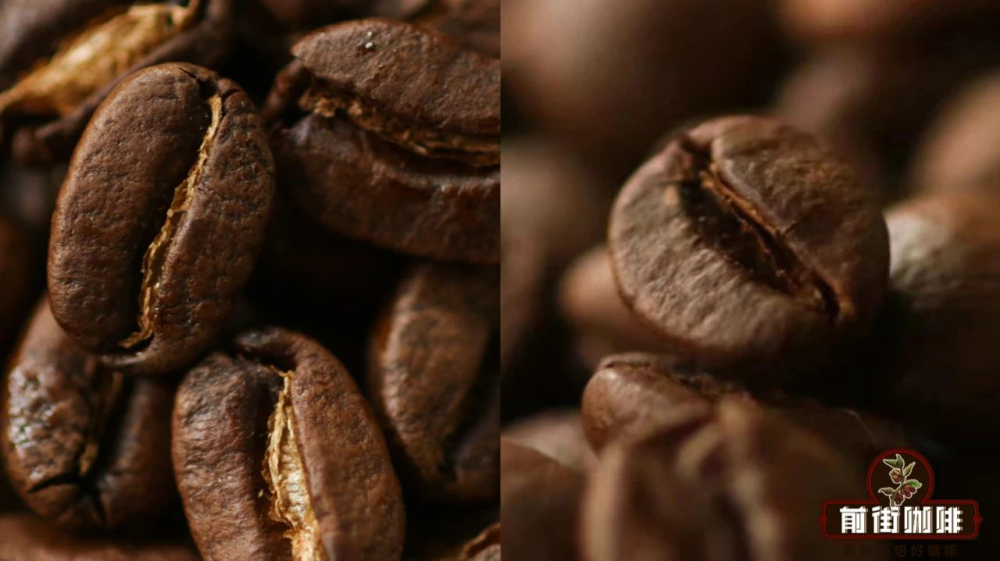
. Slight variations in appearance are often the result of processing methods (such as Indonesia’s wet-hulling method).
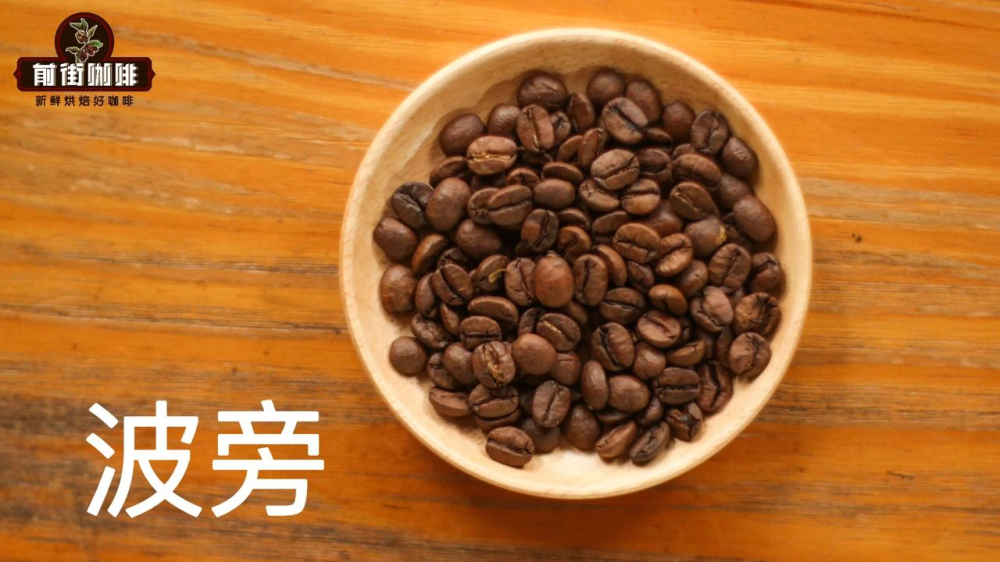
When discussing Arabica, one cannot overlook Typica (Typica). As one of the oldest coffee varieties, Typica’s appearance is often regarded as the classic template of Arabica: the beans are long and flat, with a distinctly S-shaped center cut. However, if processed by the wet-hulling method, the bean shape may develop hoof-like cracks due to mechanical pressure. Cupping experience from a well-known coffee brand indicates that Typica can exhibit a consistent clean and sweet style across different regions, serving as the foundation for many classic flavor wheels.
Bourbon (Bourbon) is a natural mutation of Typica, with the most noticeable change being the bean shape shifting from the original elongated form to a rounder one, often referred to as ‘round-bodied Bourbon.’ Compared to Typica, Bourbon has wider leaves, smaller and denser fruits, slightly lower overall plant yield, but more concentrated flavors. Its mutations, such as Yellow Bourbon, Pink Bourbon, Caturra, Pacas, and Villalobos, all retain this rounded physical trait and have achieved numerous accolades in specialty coffee competitions across the Americas.
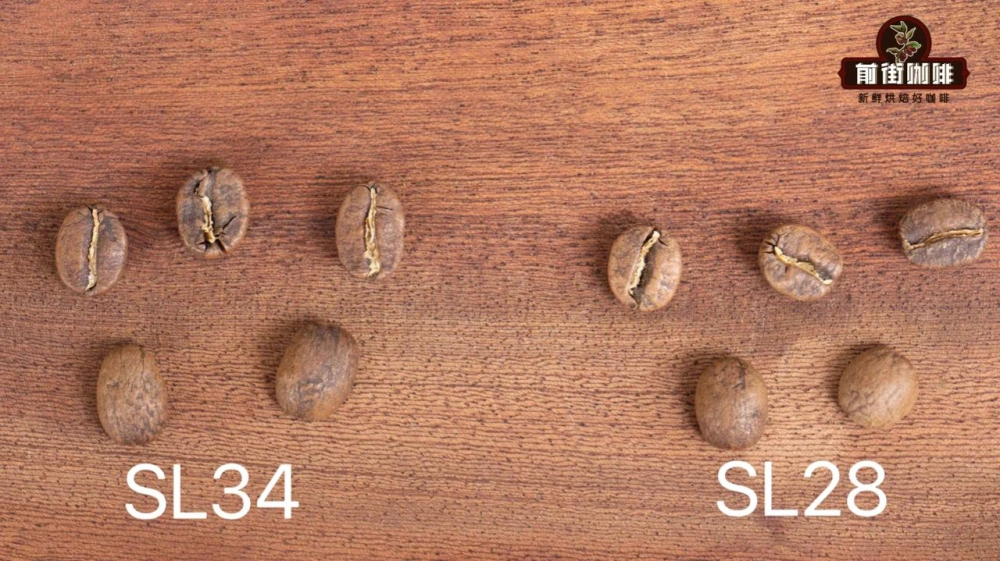
SL28 and SL34 are famous coffee varieties from Kenya, both renowned for their complex acidity and strong sweetness. SL28 is suitable for medium to high altitudes, with good drought resistance but higher susceptibility to diseases. The beans are round and full-bodied, with rich flavor layers. SL34, on the other hand, has a slightly slender oval bean shape, similar to Typica, and is also genetically classified within the Typica family. These two varieties often exhibit bright lemon and grape acidity alongside intense honey-like sweetness, forming the soul of Kenyan coffee.Geisha (Geisha) has become a star variety in the specialty coffee scene in recent years. Depending on the origin, it can be divided into American Geisha (e.g., Panama’s Hacienda Esmeralda) and African Geisha (e.g., Ethiopia’s Gesha Village). The former has an elongated, pointed bean shape at both ends, reaching sizes up to18–19 mesh
, making it highly recognizable; the latter showcases intense floral and tea-like notes. Geisha’s outstanding performance often stems from high-altitude cultivation, combined with refined washed or natural processing methods, resulting in unique citrus, peach, and jasmine aromas.Caturra (Caturra) is a mutation of Bourbon, discovered in Brazil in 1937. Its greatest advantage lies in itsshorter plant height
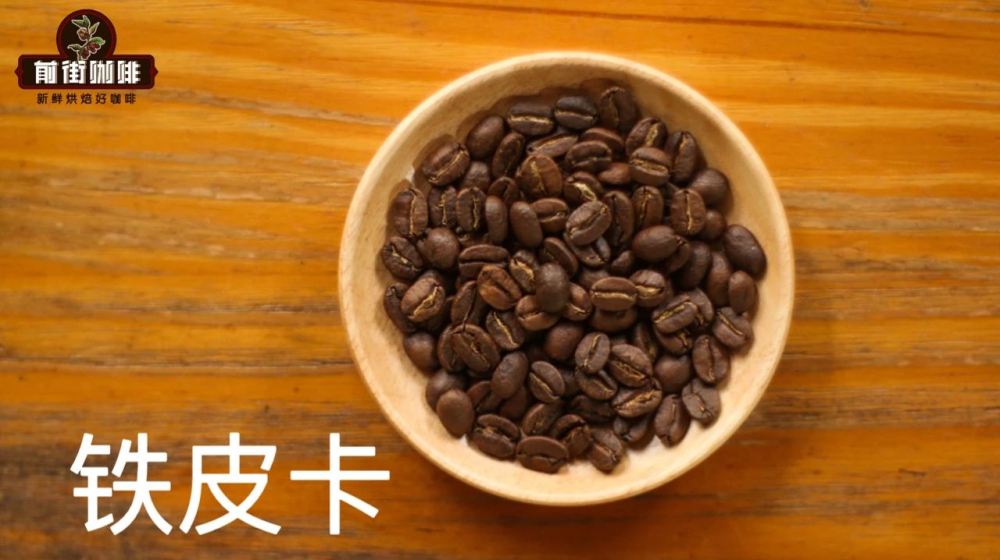
, wide altitude adaptability (700 to 1700 meters), ease of harvesting, low shade requirement, and is an important variety in many Central and South American producing regions. However, high-altitude cultivation can still impart more complex flavor profiles. Catuai (Catuai) is a hybrid of Caturra and the Mundo Novo variety, with advantages such as wind and rain resistance. It is also a short plant, suitable for high-density planting, but care must be taken regarding the risk of leaf rust.Compared to Arabica, Robusta demonstrates significantly stronger adaptability. It can grow inlow altitudes (below 800 meters)2.7%–4%and high-temperature environments, with higher resistance to pests and diseases, and is commonly found in tropical regions such as Vietnam and Indonesia. Robusta contains caffeine levels as high as
(value missing)
, twice that of Arabica, which is part of its natural defense mechanism. However, the high caffeine content also means lower flavor diversity, often exhibiting pronounced nutty, peanut, and wheaty notes, and occasionally earthy or rubbery undertones. Its mouthfeel is usually bolder and fuller, making it suitable for espresso or instant coffee bases.One of the most notable differences between Robusta and Arabica is the pollination method and genetic diversity. Robusta is cross-pollinated, which makes its offspring more prone to genetic mutations, thereby enhancing adaptability to environmental changes. Additionally, Robusta has higher levels of chlorogenic acids and phenolic compounds. While these chemical components aid in disease resistance, they can also contribute to a heavier bitterness and rougher mouthfeel.Finally, let’s take a look at Liberica. This species originates from the low-altitude forests of Liberia in West Africa, where trees can grow up to2%6–20 meters
tall, much taller than typical coffee trees, hence it is also called the ‘large fruit variety.’ Liberica coffee beans are noticeably larger than those of Arabica and Robusta, and the fruits are relatively bulky. Its flavor profile is dominated by intense woody, smoky, and nutty notes, sometimes with earthy and leathery undertones, presenting an overall heavier impression that contrasts sharply with Arabica’s bright and crisp character. Liberica holds less than
The above content is compiled by CoffeeHunters, a coffee news website.


