







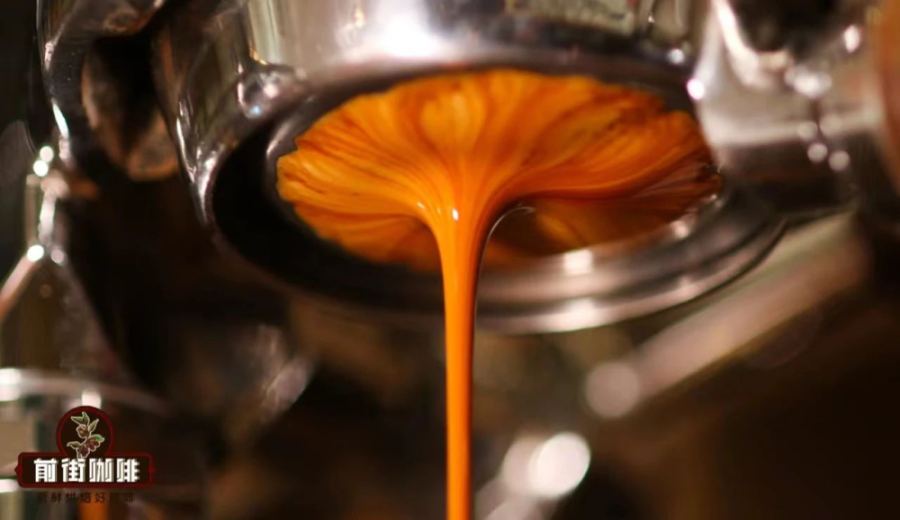
Introduction:Espresso is the soul foundation of all Italian-style coffee, but uneven extraction caused by channeling often leads to undesirable flavors such as burnt bitterness and astringency. This article delves into the causes of channeling, explores the selection of coffee beans suitable for espresso, and provides practical tips on distribution and tamping techniques to help you improve extraction uniformity effectively—making it easy to brew balanced, smooth espressos.
As the cornerstone of Italian coffee, espresso not only perfectly showcases the high-quality flavors of coffee beans but can also magnify flaws more noticeably. Many baristas and enthusiasts often encounter troubling negative flavors like burnt bitterness and astringency during extraction, which often stem from a phenomenon known as "channeling." This issue occurs with non-negligible frequency and significantly impacts the overall performance of espresso. This article will start by selecting coffee beans suitable for espresso, detail the principles behind channeling, and offer specific optimization methods for distribution and tamping. Mastering these key techniques can greatly enhance the extraction quality of your espresso.
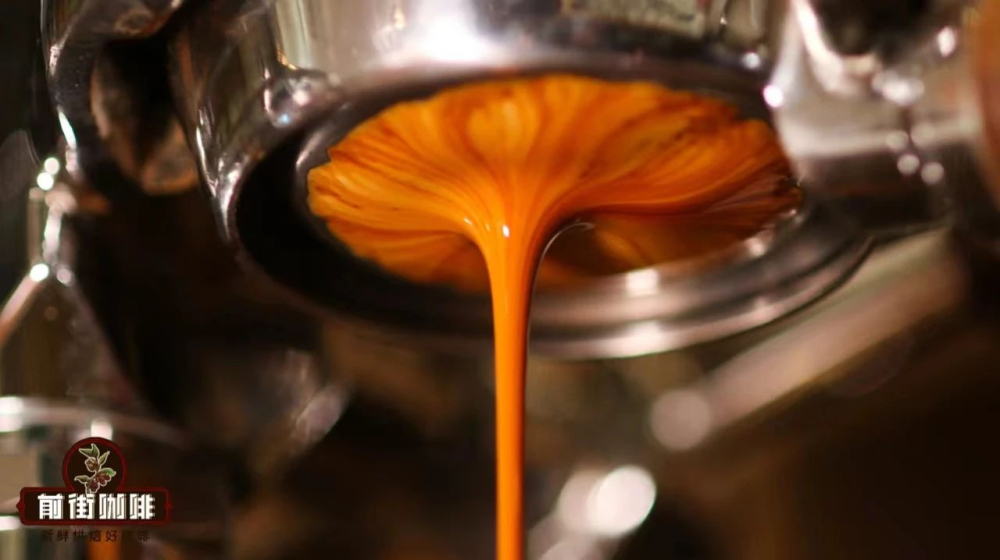
A high-quality espresso is the foundation of all Italian coffee. When extracted properly, it can fully showcase the multi-layered flavors of the coffee beans; otherwise, it may amplify defects many times over. Therefore, learning how to correctly extract an ideal shot of espresso is a skill every barista and enthusiast must master.
Among the many factors that affect extraction quality, "channeling" is a common yet often overlooked key issue. When hot water is unevenly distributed in the coffee puck, creating localized channels with higher flow rates, it not only leads to over-extraction in certain areas—releasing excessive off-flavors and bitter substances—but also causes under-extraction in other areas, resulting in overall flavor imbalance. Since espresso extraction time is extremely short and requires extracting a large amount of soluble material from a compact puck in a brief period, the impact of channeling is particularly significant.
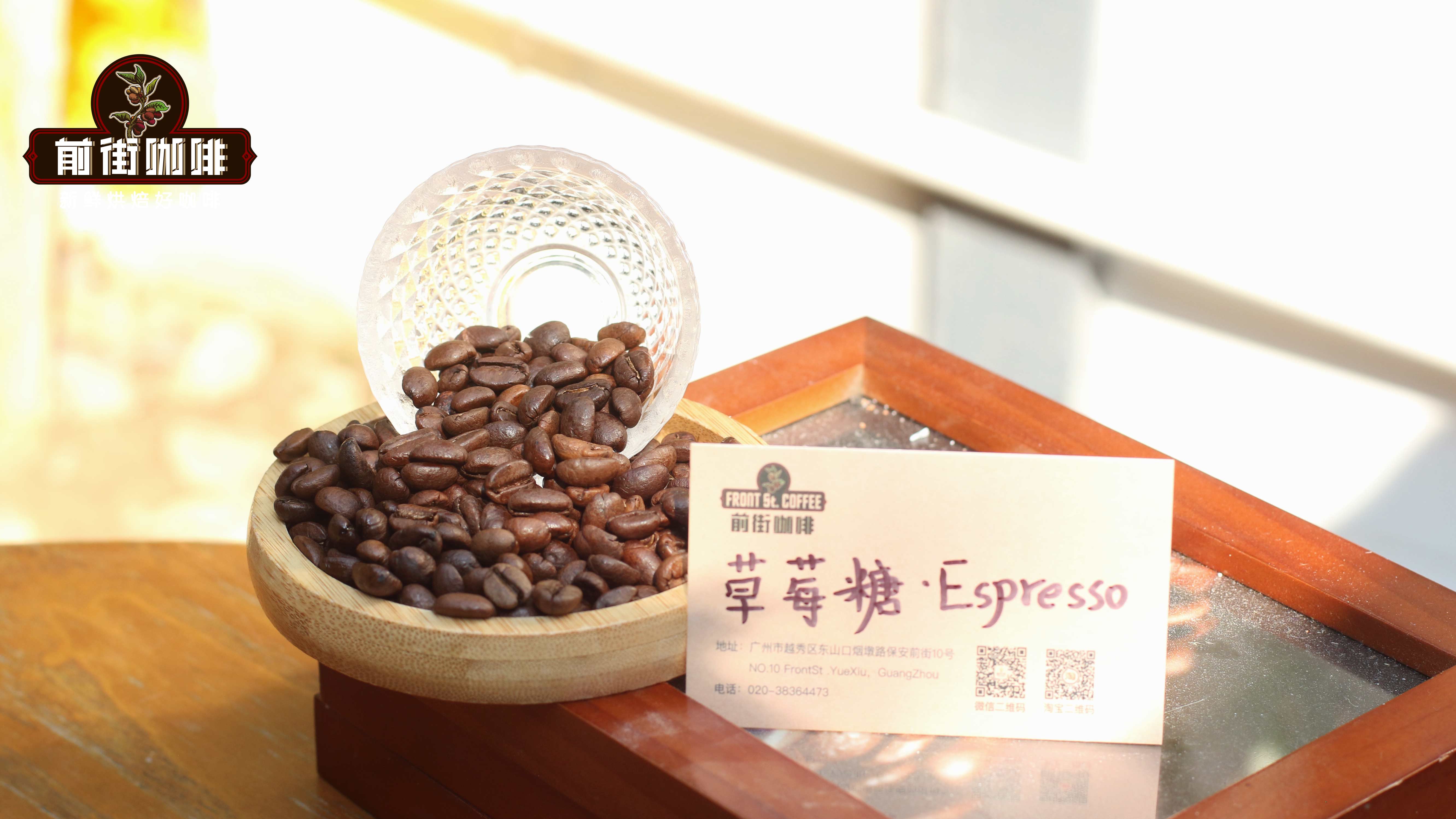
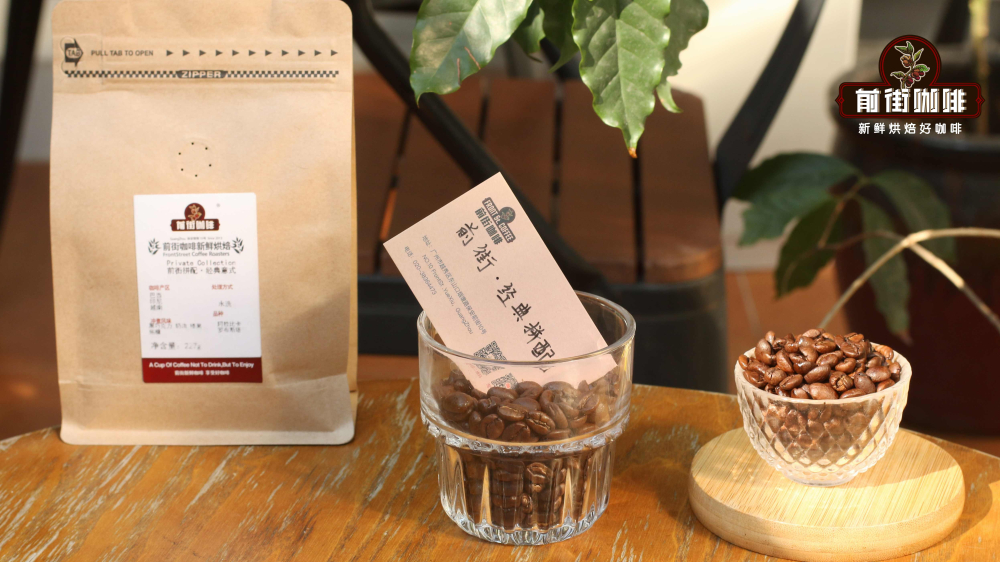
To stably extract an ideal shot of espresso, it’s first important to avoid using dark roasted beans with overly strong bitterness or light roasted beans with excessively prominent acidity. For beginners, it is recommended to choose medium-roasted coffee beans, such as a medium-roast blend that combines flavors from multiple origins, which usually offers more balanced extraction performance. These beans often carry floral and fruity notes and are rich in crema, helping to form a stable crema layer and reducing the likelihood of channeling.
If you want to further reduce channeling, consider using medium-dark roasted blends. These beans, roasted to an appropriate degree, have relatively fluffy grounds that can provide more uniform water flow channels during extraction, releasing rich aromas like butter, chocolate, hazelnut, and caramel, with better overall flavor stability.
The so-called channeling refers to the phenomenon during extraction where hot water, due to uneven puck density or improper tamping, chooses the path of least resistance and flows through concentrated channels. Ideally, hot water should uniformly penetrate the entire coffee puck, allowing all coffee grounds to appropriately release their flavor compounds. However, due to the physical properties of water, it always tends to seek the path of least flow resistance—just like rainwater falling on cracked earth, which will prioritize flowing into the cracks.
When channeling occurs, hot water will concentrate through certain areas of lower resistance, causing those parts of the coffee grounds to be over-extracted, releasing excessive impurities and bitter components; meanwhile, other areas not sufficiently contacted by the water flow will be under-extracted, leading to a lack of flavor. This uneven extraction result is directly reflected in the overall performance of the coffee, showing obvious burnt bitterness, astringency, and even flavor gaps.
Although we cannot directly observe the flow state of water during extraction, channeling usually comes with some visible signs. For example, when removing the coffee puck, if you notice multiple distinct holes or indentations on the surface—these are typically “channels” left by concentrated water penetration and are direct evidence of channeling.
In addition, during extraction, if you use a bottomless portafilter for observation, you might notice abnormal splashing of coffee liquid, which could also be the result of unstable water flow caused by channeling. These signs can help us detect problems early and adjust distribution and tamping methods in a timely manner.
To solve channeling, the primary task is to optimize the distribution and tamping process. When the measured amount of coffee grounds is poured into the portafilter basket, it is recommended to first gently tap it to allow the grounds to evenly distribute at the bottom of the basket, avoiding localized clumping. Then, use a distribution tool to evenly spread the coffee grounds by rotating it. This ensures a compact puck layer without obvious gaps, reducing the possibility of concentrated water flow.
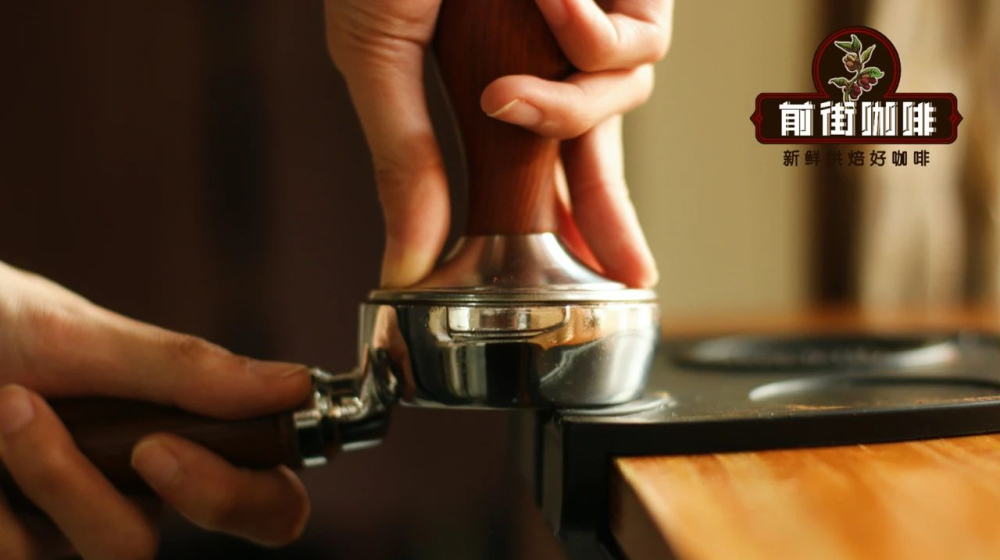
During the tamping stage, it is recommended to firmly hold the tamper on both sides with your thumb and index finger, while naturally wrapping the remaining fingers and palm around the handle, keeping your arm and wrist in a naturally vertical position, and applying downward pressure with even and steady force. Correct tamping not only ensures consistent puck density but also effectively eliminates potential weak points where channels may form, allowing hot water to penetrate the entire puck layer more uniformly during extraction.
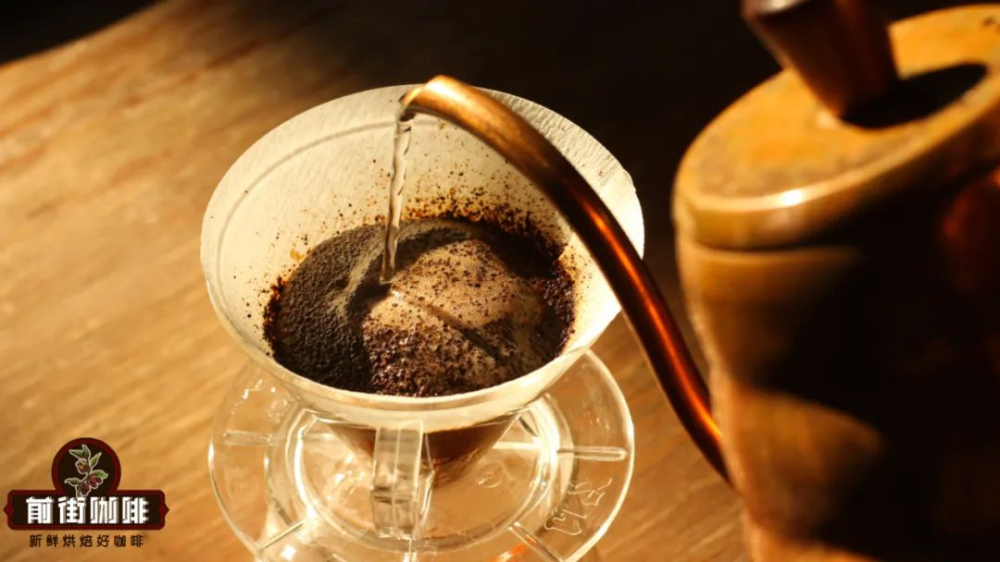
When these two key steps—distribution and tamping—are executed precisely, not only can the occurrence of channeling be significantly reduced, but the overall extraction quality of the espresso can also be greatly improved, allowing every shot of espresso to exhibit a balanced and rich flavor profile.
The above content is compiled by CoffeeHunters, a coffee news website.


