







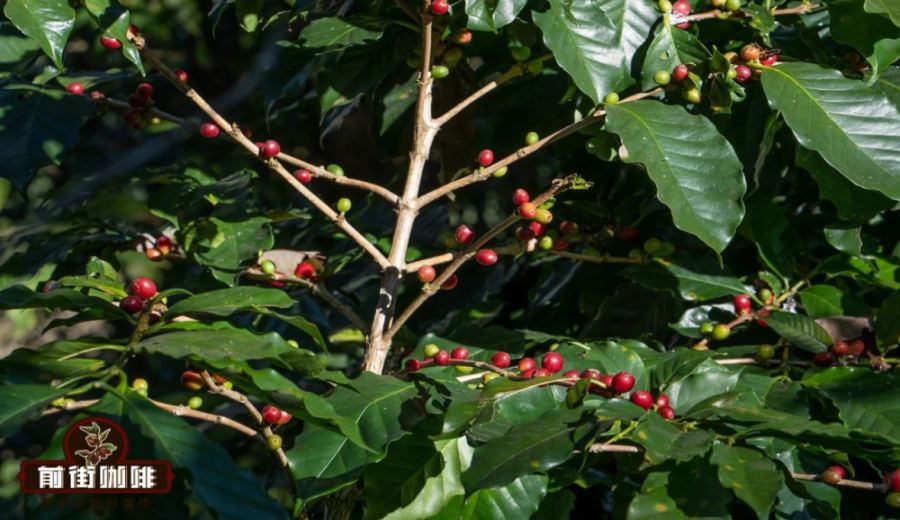
Introduction:Yunnan small-grain coffee has become a hot topic in the specialty coffee community in recent years, yet its variety background and flavor potential are often overlooked. This article delves into the historical origins of Yunnan coffee, analyzes the characteristics of the two mainstream varieties—Typica and Catimor—and shares practical pour over brewing recommendations to help you gain a more comprehensive understanding of this uniquely Chinese coffee bean.
Yunnan small-grain coffee has gradually garnered attention from specialty coffee enthusiasts, but many still have only a partial understanding of its variety origins, cultivation evolution, and unique flavors. This article starts with the geographic distribution of China’s coffee-growing regions, traces the history of the first Arabica coffee tree in Yunnan, provides a detailed analysis of the development of the two major varieties—Typica and Catimor—and through real planting case studies, helps you understand the flavor profiles of these beans and the brewing methods best suited to them.
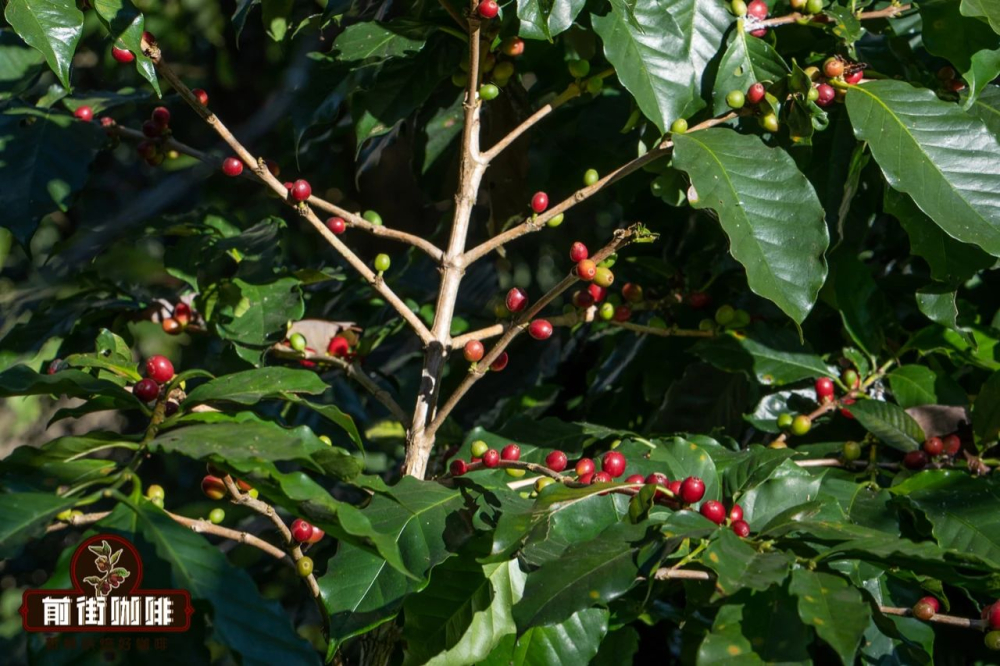
When it comes to Chinese coffee, many newcomers often first encounter Ethiopian Yirgacheffe or Indonesian Mandheling, while overlooking the nearby Yunnan region. In the early years, domestic consumers generally held a poor impression of locally produced coffee, but in reality, the quality of Yunnan coffee has already reached parity with that of major international coffee-growing regions. Especially with the trend toward specialty coffee, more and more consumers are beginning to reevaluate this coffee with local characteristics.
Coffee cultivation in China is mainly concentrated in three regions: Yunnan, Hainan, and Fujian. Among them, Yunnan, with its uniquely favorable geography and an average altitude between 1,000 and 2,000 meters, is highly suitable for the growth of Arabica coffee. In contrast, Fujian and Hainan, with their lower altitudes, generally grow the low-altitude-suited Robusta variety.
So, when was the first Arabica coffee tree planted in Yunnan? Historical records indicate that this historically significant coffee tree was planted in 1904 by French missionary Téodose de Terris in Zhukula Village, Binchuan County. Although some sources mention it might have been 1892 or 1902, the most widely accepted year remains 1904. At that time, he planted the coffee tree next to the church for missionary needs, thus marking the beginning of Yunnan’s coffee history.
However, it wasn’t until the 1950s that Yunnan coffee truly began to move toward commercialization. At that time, botanist Professor Qin Renchang discovered red coffee cherries in the courtyards of Dehong Prefecture, which were identified as small-grain coffee. Subsequently, trial plantings were carried out in places such as Longjiang Dam in Baoshan and the Linchang in Mangshi, and in 1955, commercial production officially began. This also marked the birth of China’s modern coffee industry.
It wasn’t until 1988, with the establishment of a Nestlé branch in Yunnan and the introduction of the disease-resistant and high-yield Catimor variety, along with Nestlé’s promise to purchase at international futures prices, that large-scale coffee cultivation in Yunnan was truly propelled. Subsequently, brands such as Starbucks also entered the region, making Yunnan one of the world’s important coffee-producing areas. However, due to limited processing technology and vague market positioning in the early stages, most coffee beans were used to make instant coffee. It is only in recent years, with the rise of the specialty coffee trend, that Yunnan coffee has gradually regained its rightful flavor value.
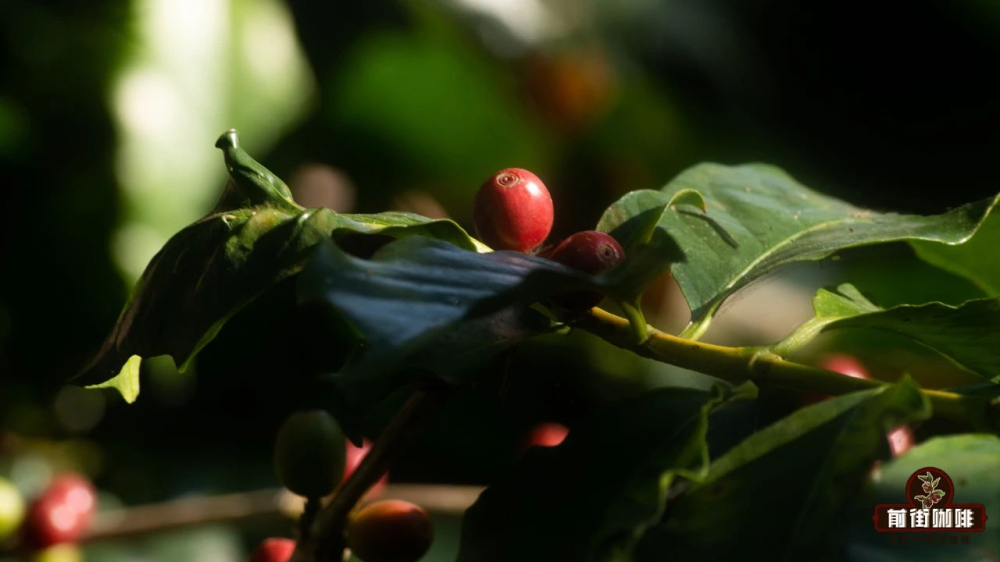
When it comes to Yunnan coffee varieties, the most well-known is “Yunnan small-grain,” a name derived from its main variety—Typica. Typica is one of the oldest varieties in the Arabica family, known for its delicate flavors and good balance, but it is also relatively delicate, susceptible to leaf rust and with relatively low yields. Nevertheless, due to its excellent flavor performance, it remains favored by some coffee farmers and roasters.
However, due to Typica’s poor disease resistance, Nestlé later introduced the Catimor variety. Catimor is actually a hybrid of Arabica and Robusta, combining the advantages of disease resistance and high yield. Since the 1990s, it has become the main cultivated variety in Yunnan. Although its flavor complexity is not as high as Typica’s, with appropriate processing methods and refined roasting, it can still exhibit a unique layered profile.
Currently, in Yunnan’s coffee programs, you can taste sun-dried Typica from Lincang and washed Catimor from Baoshan. The former boasts distinct fruity aromas and sweetness, while the latter showcases a full body and balanced acidity and sweetness, making them excellent choices for understanding the diversity of Yunnan coffee.
If you’d like to brew these two coffees at home, here are the professionally recommended parameter settings: use 15 grams of coffee grounds, with a 1:15 coffee-to-water ratio (adjust to 1:16 if you prefer a cleaner taste), choose a V60 dripper, and control the water temperature at 88°C to help soften acidity. The grind size is recommended to be medium-fine, similar to fine sugar granules, with about 80% passing through a #20 sieve.
For specific brewing steps, it is recommended to use a three-stage extraction method: start with a 30-second bloom using 30 grams of water, then pour in a small circular motion up to 125 grams, wait for the water level to drop, and continue pouring up to 225 grams, keeping the total extraction time around 2 minutes. These parameters can fully highlight the clean flavors and good balance of Yunnan coffee, allowing both Typica and Catimor to showcase their unique regional characteristics.
The above content is compiled by CoffeeHunters, a coffee news website.


