







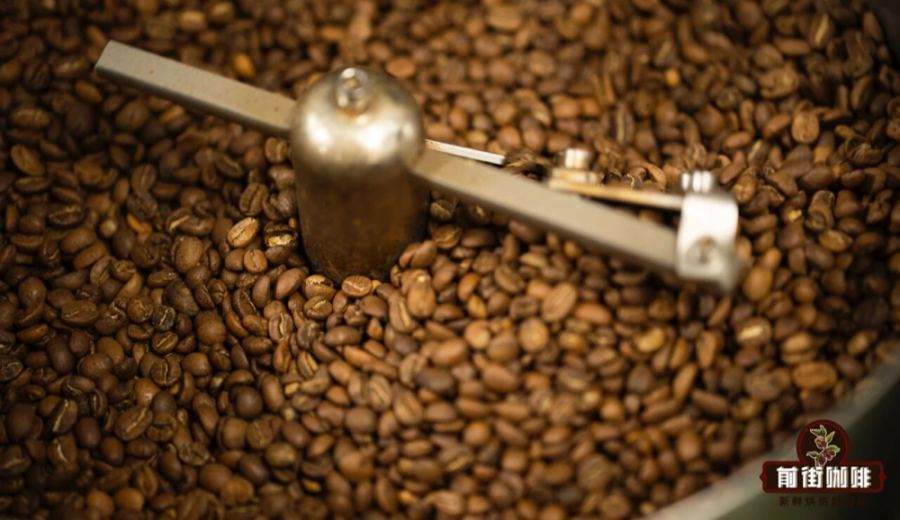
Introduction:Roasting is the key process that defines the flavor profile of coffee, from bright fruity acidity to deep, intense smokiness—all stemming from varying degrees of heat transformation. This article provides an accessible yet in-depth explanation of the scientific basis behind the SCA Agtron value system, helping you grasp the core principles of how light roasts preserve fruity notes and dark roasts enhance body and richness. With real coffee varieties as examples, it also illustrates how to adjust brewing strategies based on roast profiles, guiding coffee enthusiasts to find their most satisfying cup.
From the coffee farm to your cup, roasting is the most transformative magical stage that shapes flavor. This process not only balances acidity and bitterness but also directly determines the complexity of the taste—light roasts highlight vibrant, bright citrus notes, while dark roasts bring out deep chocolatey and smoky textures. Understanding the scientific classification of roast levels allows for more precise selection of coffee beans that match your personal taste.
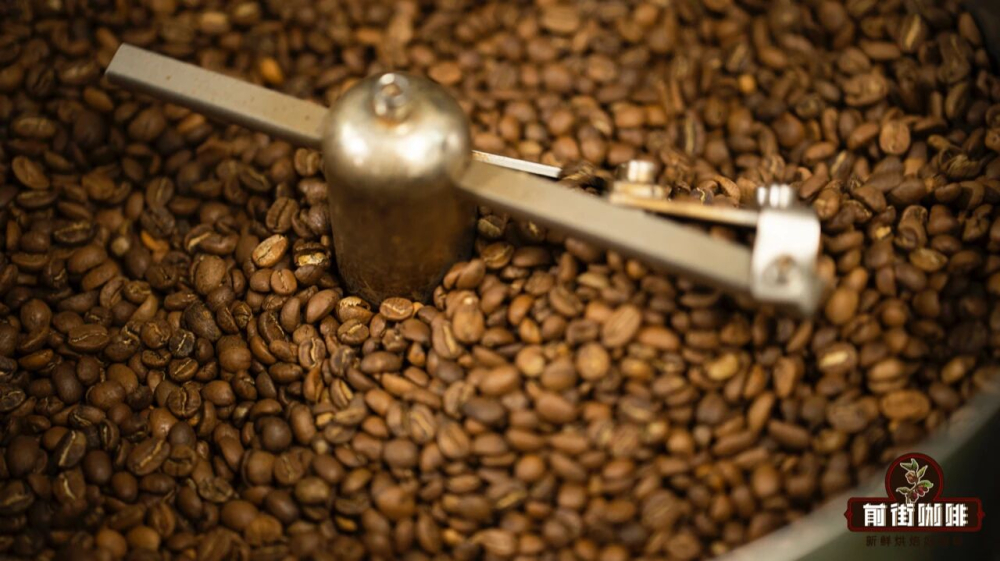
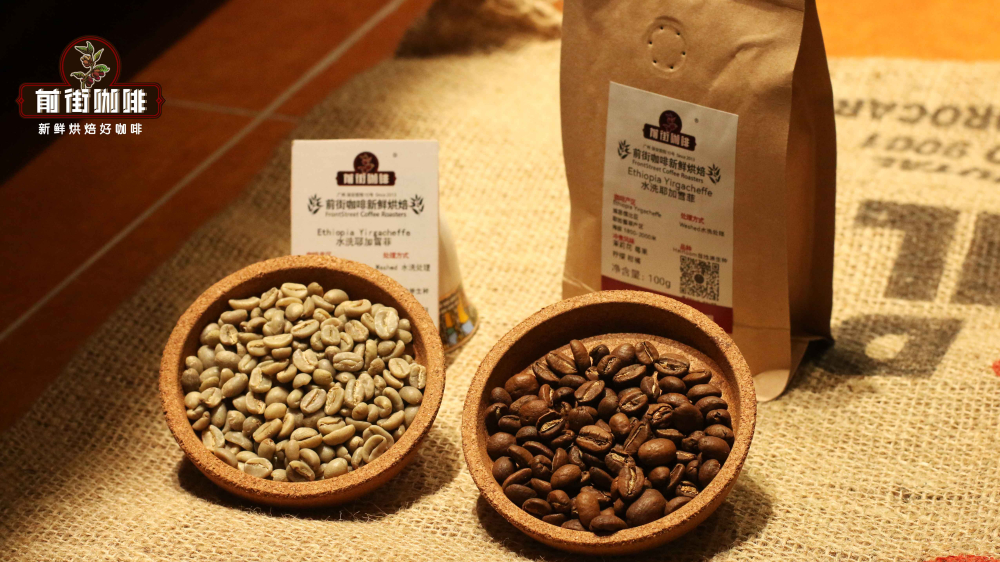
The full flavor profile of a cup of coffee arises from the delicate interplay between the terroir’s microclimate, the genetic traits of the coffee variety, the processing method, and the roasting technique. Ethiopia’s highland Yirgacheffe, nurtured by high-altitude sunlight, develops unique citrus acidity and presents a clean floral aroma through the washed process. In contrast, Indonesia’s Sumatra Mandheling, via the wet-hulled method, emphasizes a steady base of sandalwood and nutty tones. These inherent characteristics can only be fully expressed through appropriate roast levels.
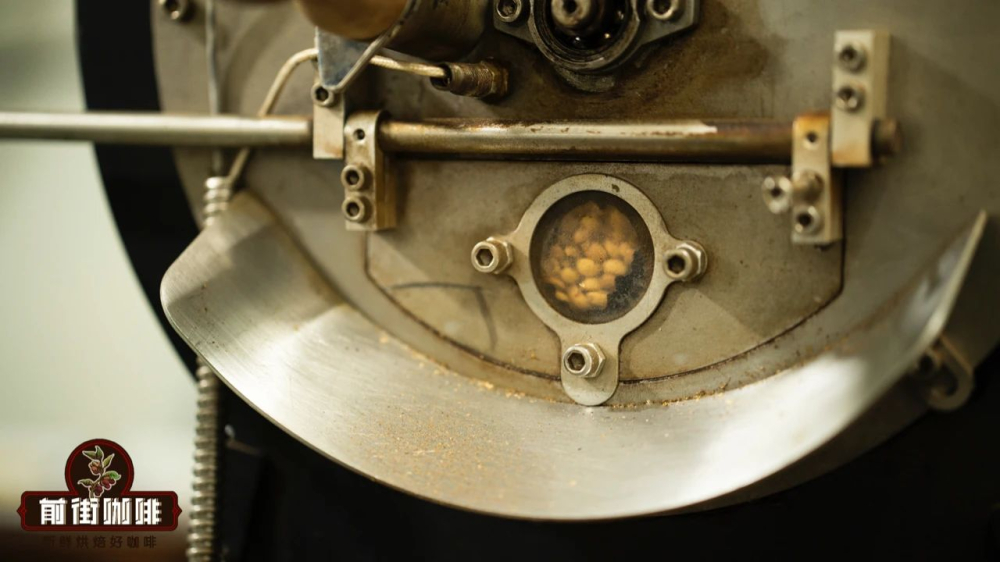
The key to determining roast level lies in observing the thermal transformation stages the beans undergo. When green beans enter the roaster, they sequentially pass through critical phases such as the drying stage (around 160°C), the yellowing stage (170–190°C), and the first crack (beginning around 205°C). Professional roasters control the duration and intensity of heat application to balance Maillard reactions and caramelization.
The Agtron value, adopted by the Specialty Coffee Association (SCA), is a scientific tool for quantifying roast degree. This value is derived from the reflectance of the bean surface measured by an infrared spectrometer: the scale ranges from 0 to 100.A higher value indicates more retention of the original color (lighter roast), while a lower value shows pronounced carbonization (darker roast).Practical reference standards are as follows: an Agtron value of 95±2 corresponds to an extremely light roast (near the start of first crack), 85±3 denotes a cinnamon roast (mid-first crack), 75±3 represents a medium roast (end of first crack), and 65±3 enters the dark roast category (onset of second crack).
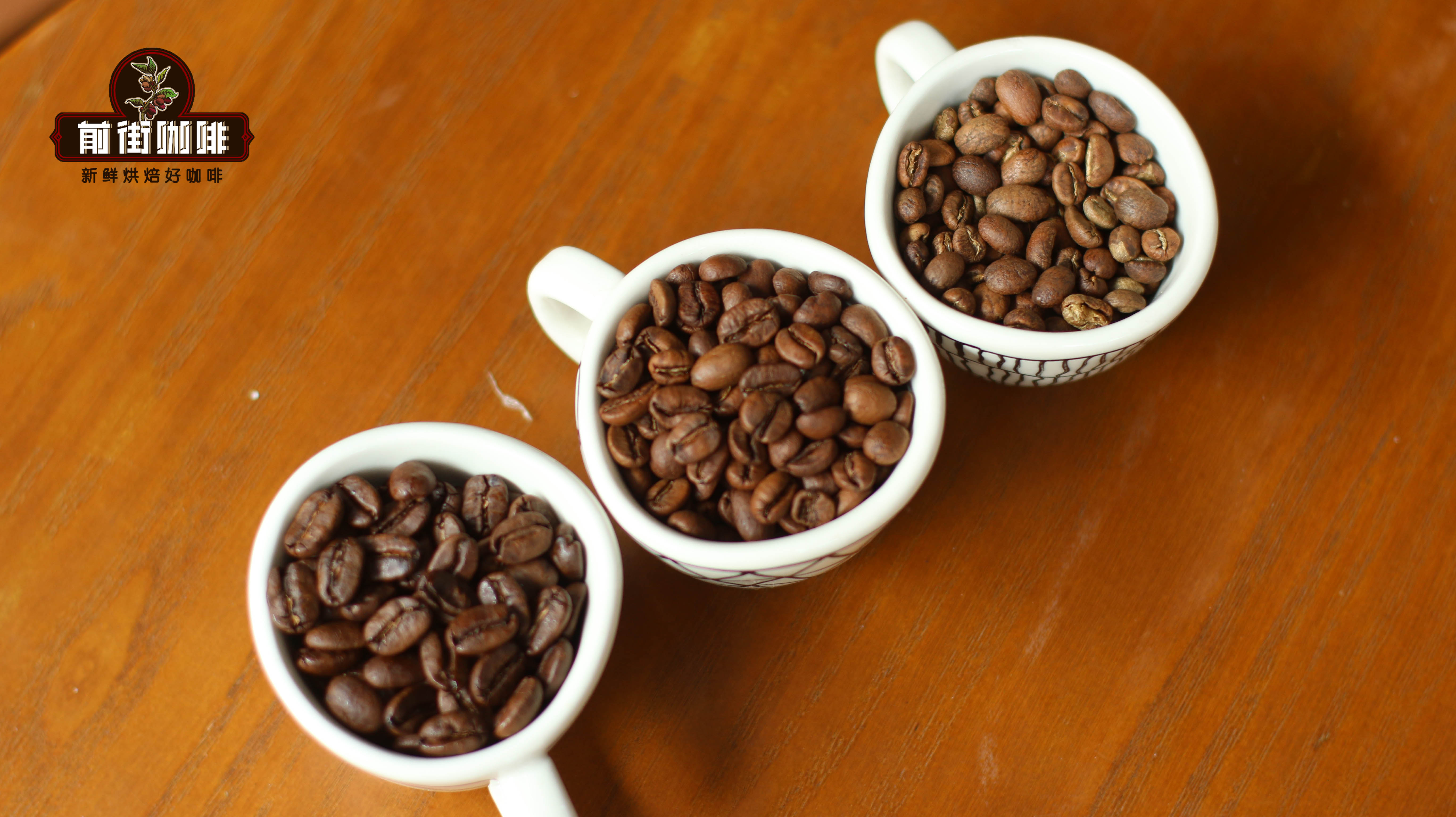
The impact of roast level on flavor exhibits clear contrasting effects: light roasts (Agtron 85–95) preserve the bean’s inherent acidic compounds, enhancing bright notes like lemon and berries while maintaining a balanced acidity and body. Medium roasts (75–85) allow caramelization reactions to develop more fully, producing sweet layers of caramel and nuts. Dark roasts (65 and below) generate abundant furan compounds through Maillard reactions, delivering intense flavors like dark chocolate, smoke, and even charred notes, though they may mask the origin’s unique aromas.
Illustrated with practical examples: the washed beans from Ethiopia’s Yirgacheffe Gedeo Zone Cooperative, with their primary flavors of citrus fruits and jasmine, achieve optimal acidity expression when roasted to a light-to-medium level at Agtron 80.8. For brewing, a water temperature of 90–92°C and medium-fine grind are recommended to highlight their floral and fruity profile. Conversely, Indonesia’s Golden Mandheling, with its herbal and spicy foundation, is enhanced through a dark roast at Agtron 61, intensifying its body. It is best brewed using a French press with lower water temperature (88–90°C) and a coarse grind, bringing out the deep aftertaste of nuts and cocoa.
The above content is compiled by CoffeeHunters, a coffee news website.


