







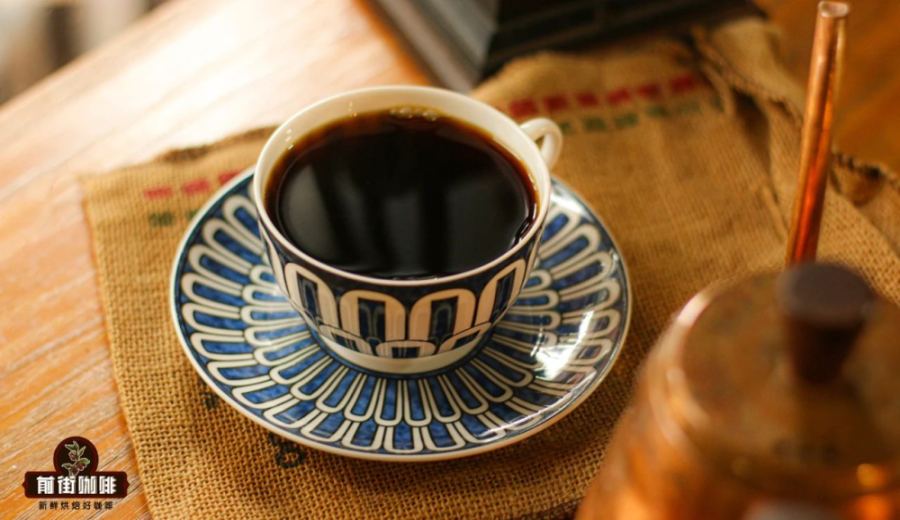
Introduction:Aged Mandheling, through prolonged maturation, exhibits a richness and low-acidity flavor profile distinctly different from fresh beans—akin in processing logic to Indian monsoon coffee, yet possessing its own profound depth. This article details the principles behind aged processing, contrasts the flavors and appearances of both aged and fresh beans, and offers practical extraction advice and brewing parameters to help you deeply appreciate the transformative charm of this classic Sumatran bean.
When it comes to Mandheling, most people immediately think of a rich and bold taste. However, aged Mandheling reveals another level of depth and complexity. Like Indian monsoon coffee, this type of coffee requires long-term storage to develop its unique characteristics, though there are subtle differences in processing and maturation mechanisms between the two. This article will start with the principles of aged processing, taking you deep into the flavor and appearance differences between aged and fresh Mandheling, and providing professional brewing parameters and practical recommendations.
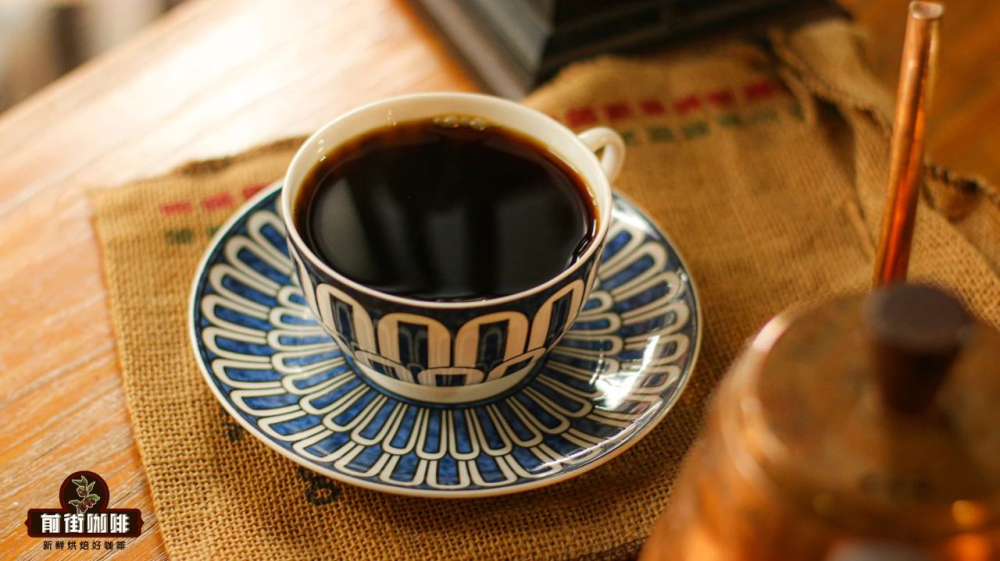
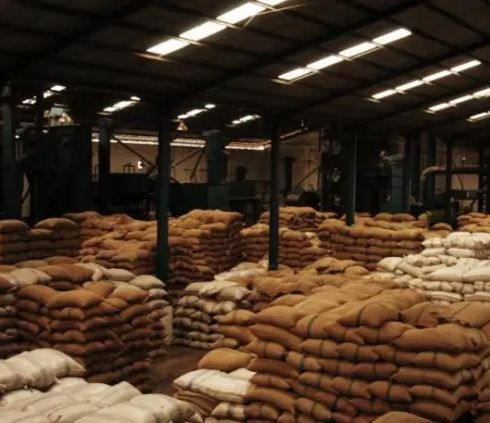
What makes aged Mandheling special is that it is not simply coffee beans stored for many years, but rather beans that have undergone a strictly controlled storage process in terms of temperature, humidity, and ventilation. Such coffee is typically stored at the origin by distributors or exporters for up to 24 months, during which it is regularly turned to prevent moisture absorption and mold. This processing method is related to the accidental flavor changes caused by long shipping times in the past, but has now evolved into a deliberately pursued matured flavor.
The so-called aged processing method actually involves placing high-quality green beans in a specific storage environment, where time and environmental factors gradually reduce the acidity of the beans while cultivating complex aromas such as leather, jute bags, honey, and even herbs. This process is extremely time-consuming and labor-intensive, requiring close monitoring of temperature, humidity, and ventilation to ensure the beans do not deteriorate due to excessive storage. Properly matured aged beans exhibit noticeably softer acidity, a thicker and fuller mouthfeel, and a sweetness often accompanied by a hint of honey-like aftertaste.
Which is better, aged beans or fresh beans? The answer really depends on personal taste. In most cases, freshly roasted coffee can indeed showcase brighter fruit acids and floral-fruity aromas, but aged Mandheling takes a different path, excelling in low acidity, richness, and complex layers. It’s important to note that aged beans are not just unsold inventory, but high-quality green beans processed and matured according to specific standards at the origin, and they are clearly labeled with the production year. The origin of this processing method is related to the early days of inconvenient shipping, where coffee would naturally change flavor during long sea voyages, and later evolved into a specialized maturation craft.
In terms of green bean appearance and flavor, correctly stored aged Mandheling will darken in color, lacking the moist sheen of fresh beans, with a significantly reduced acidity and a thicker, fuller mouthfeel. The sweetness often carries aromas of honey or molasses. Additionally, some originally prominent green bean defects, such as overly sharp acidity or unbalanced flavors, may also become milder due to the maturation process. However, since storage environments are usually darker and more humid, improper handling may also produce special odors similar to mold or jute bags, which are among the common complex aromas of aged beans.
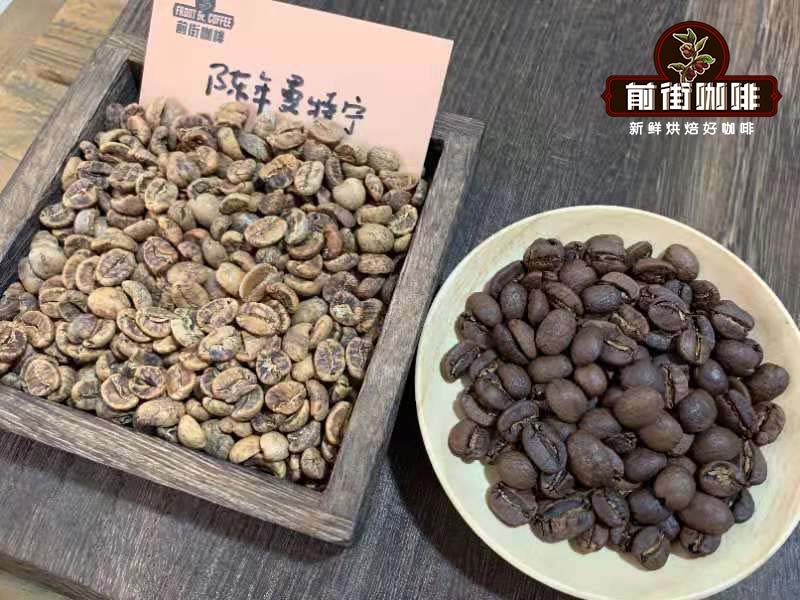
Aged Mandheling often appears rather "unremarkable" in appearance, with beans potentially losing their gloss, developing oil spots, or showing black dots—results of long-term maturation leading to moisture loss and changes in density. In roasting, because aged beans inherently have low moisture content and high density, it is especially important to control heat and temperature carefully to avoid premature scorching of the bean surface oils. Taking a common medium-dark roast as an example, it is recommended to start with a drum temperature of about 200°C, set the air vent to 3, perform a one-minute preheat, then adjust the heat to 160°C, and gradually reduce the heat to around 140°C depending on dehydration until the bean surface turns yellow and the grassy smell completely dissipates. When first crack begins, pay special attention to the popping sound, moderately reduce the heat and increase the air vent to ensure sufficient flavor development without excessive carbonization, finally stabilizing between 194°C and 197.4°C before dropping.
For brewing, it is recommended to use a KONO filter cone, with a water temperature of 88°C and a Hario Mini Mill Small Fuji grind size 4 (medium-coarse). The rib design of the KONO filter cone is relatively simple, with the filter paper closely adhering to the cup wall, effectively restricting airflow and extending the contact time between water and coffee grounds, which aids in sufficient extraction under coarse grinding, thereby enhancing the thick mouthfeel and concentrated flavor expression. The suggested coffee-to-water ratio is 1:14, using 17 grams of coffee powder, with the first pour of 25 grams for a 30-second bloom, followed by the second pour up to 238 grams, keeping the total extraction time around 2 minutes. Such parameter settings can highlight the unique herbal and caramel aromas of aged Mandheling, showcasing its deep and layered flavor profile.
The above content is compiled by CoffeeHunters, a coffee news website.


