







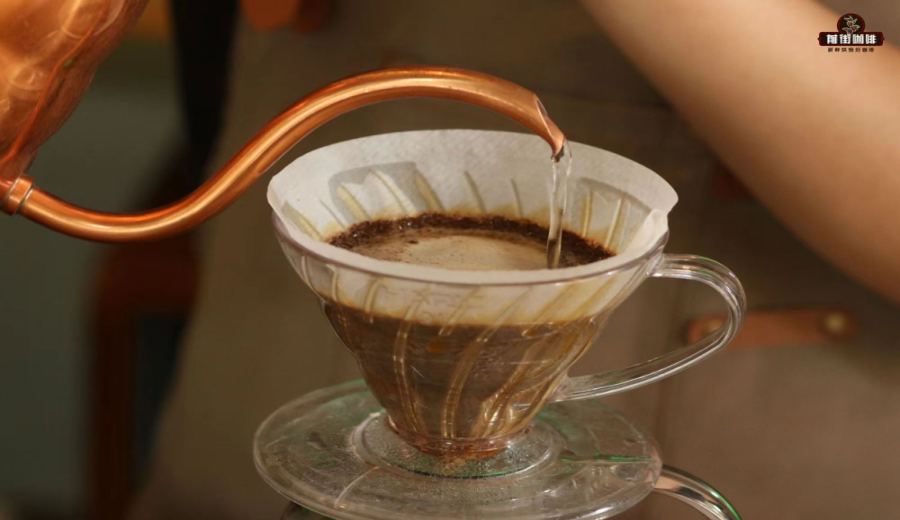
Introduction:The flavor release of pour over coffee is closely related to grind size. The right grind can bring out the best balance in your coffee. This article delves into how grind size affects extraction efficiency and flavor expression, provides an intuitive method using sugar granules as a reference, and details precise measurement steps using a Chinese Standard No. 20 sieve with 0.85mm holes. It also offers practical grind recommendations for different roast levels and explains how to use extraction time as an auxiliary indicator—helping coffee enthusiasts systematically master the key techniques of pour over grinding.
The overall flavor profile of pour over coffee is inseparably linked to grind fineness. The proper grind allows water to pass through the coffee grounds at an ideal rate, extracting rich and balanced flavors. If the grind is too coarse, water flows through too quickly, often leading to under-extraction and weak, thin flavors. Conversely, if the grind is too fine, water passage is hindered for too long, which can cause over-extraction, resulting in bitterness and off-flavors. Therefore, mastering the correct grind size is the first critical step to a successful pour over.
The principle of pour over brewing is to use water as a medium to extract soluble flavor compounds from coffee grounds, ultimately creating a uniquely flavored black beverage. In this process, grind size is one of the most core variables. The coarseness or fineness of the coffee particles directly affects how easily water penetrates and the speed and proportion at which various flavor compounds are released.
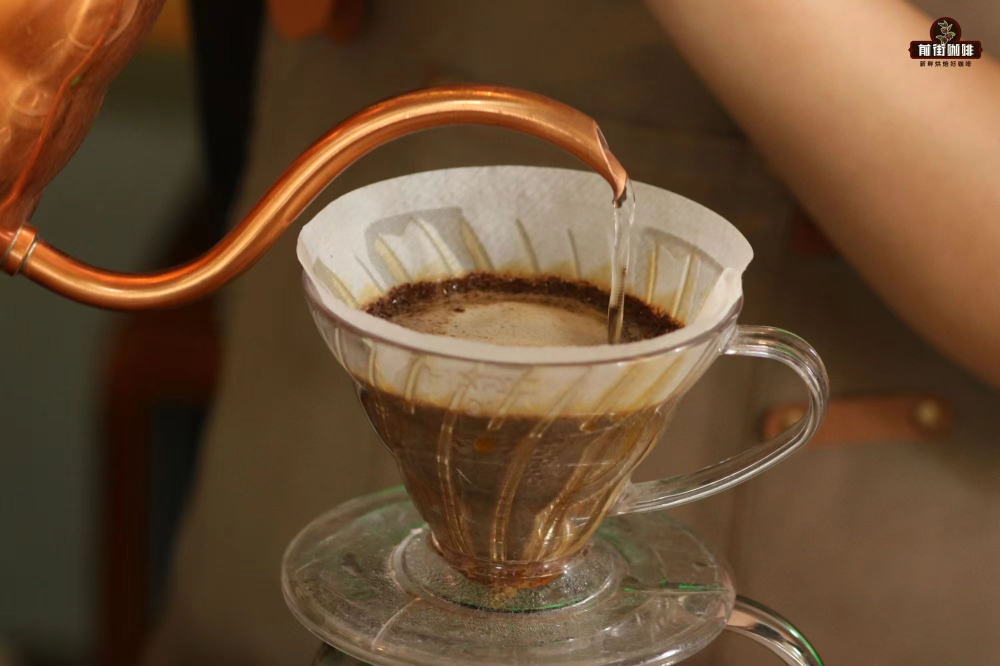
In the common espresso preparation found in cafés, extremely fine grinding is required to achieve high concentration and high-pressure extraction. Although pour over does not involve such pressure, it still demands both uniformity and appropriate grind fineness to achieve ideal extraction. In short, grind size not only influences extraction efficiency but also directly determines the final flavor outcome.
After grinding, only about 30% of the coffee bean's material is soluble, and only a portion of that contributes desirable positive flavors—the rest may introduce unwanted bitterness or astringency. Therefore, adjusting grind size and other parameters during pour over aims to maintain the extraction rate within a reasonable range—generally, the industry considersan extraction rate of 18% to 22%to be the ideal range.
Many beginners often ask: “How coarse should the pour over grind be?” In reality, grind size isn’t as precisely measurable as water temperature in degrees Celsius; it needs to be judged through observation and comparison. To help build an intuitive sense, sugar granules are commonly used as a reference. For example, when brewing light to medium roasted beans—which typically have weaker water absorption—it’s generally recommended to usea medium-fine grind, with particle size roughly similar to that of fine sugar, as shown in the picture.
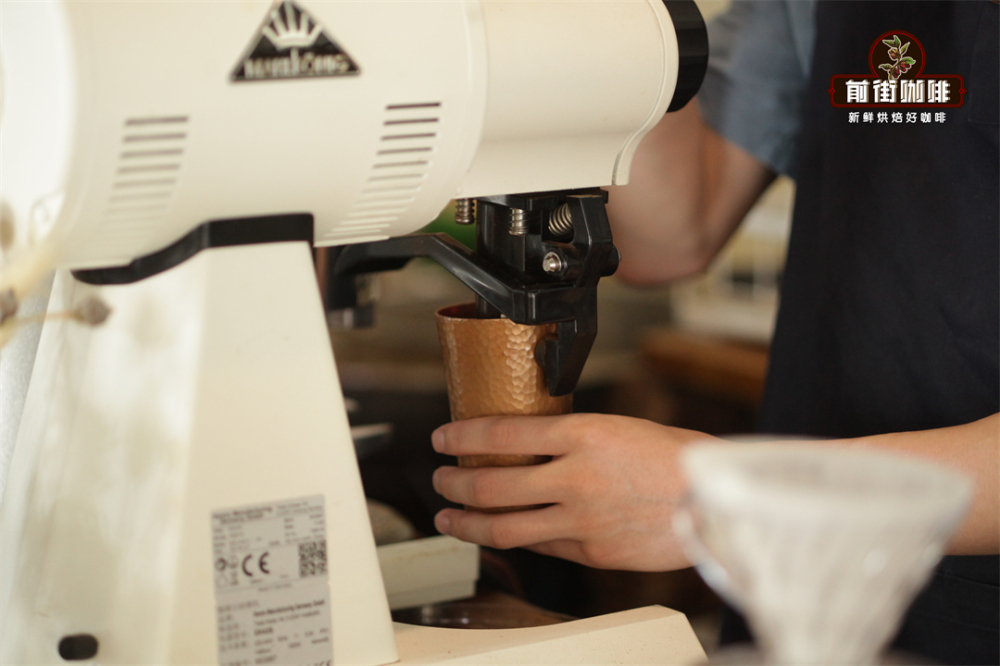
In contrast, for medium to dark roasted beans, due to their higher roast level and looser bean structure, which enhances water absorption, to avoid over-extraction it’s better to opt for amedium-coarse grind, with particle size similar to coarse sugar. This helps control extraction time and maintain flavor balance.
For coffee enthusiasts seeking more precise control, using professional sieve tools for inspection is a further option. It’s recommended to use aChinese Standard No. 20 sieve with 0.85mm holesto sift ground coffee. Powder smaller than 0.85mm will pass through, while larger particles remain on the sieve. Calculating the proportion of coffee powder that passes through (i.e., the sieving rate) allows for a more scientific assessment of grind coarseness. In practice, for light to medium roasted beans, a recommended sieving rate is75% to 80%, corresponding to settings (e.g., on grinders like the EK43s) of around10 to 10.5; for medium to dark roasted beans, a recommended sieving rate is70% to 75%, with corresponding settings of about10.5 to 11.
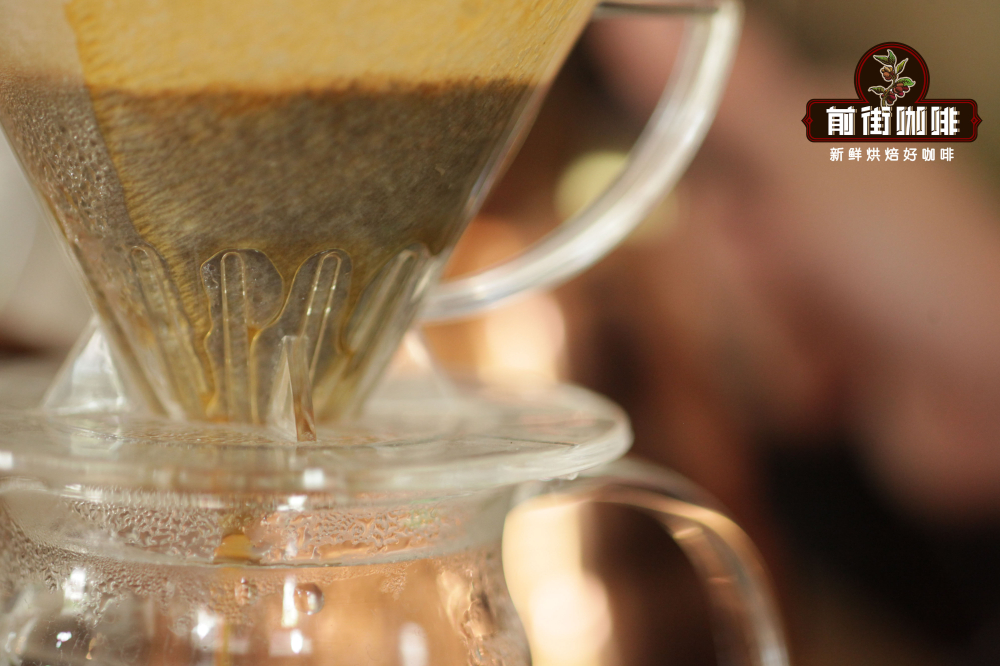
In addition to using sugar comparisons and sieve tests, you can also observe extraction time to help judge whether the grind size is appropriate. Typically, the standard pour over extraction time is around1 minute 50 seconds to 2 minutes 10 seconds. If the extraction time is too long, it may indicate the grind is too fine; conversely, if it’s too short, the grind may be too coarse. This metric allows for quick adjustments to find the optimal extraction balance.
Moreover, the overall flavor performance of pour over coffee is also influenced by multiple combined factors, including coffee bean quality, water temperature settings, brew ratio, pouring technique, and extraction time. Among these, the inherent quality and characteristics of the coffee beans themselves have a particularly crucial impact on the final flavor. Choosing freshly roasted, reliably sourced coffee beans is an essential foundation for successful pour over brewing.
In summary, mastering pour over grind techniques requires understanding the relationship between grind size and extraction efficiency, making good use of intuitive references (like sugar granules), precise tools (such as sieves), and adjusting based on actual brewing performance (like time). Through systematic learning and practice, every coffee enthusiast can gradually identify the grind settings that best suit their taste and enjoy the endless pleasures of pour over coffee.
The above content is compiled by CoffeeHunters, a coffee news website.


