







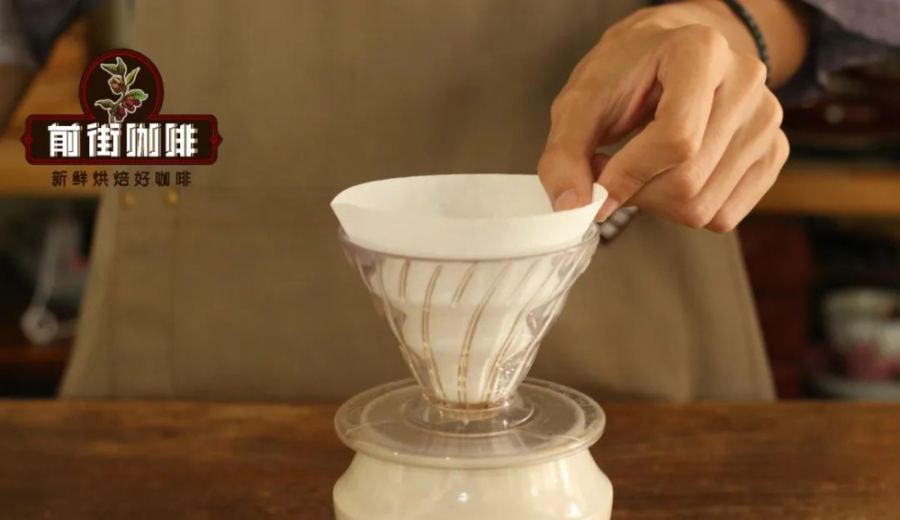
Introduction:The first step in making pour over coffee often begins with choosing a filter paper. Beyond their visual differences, bleached and unbleached filter papers can directly influence the flavor extraction and brewing speed of your coffee. This article delves into the craftsmanship, ideal use cases, and environmental impact of both types, along with recommendations on filter size, helping you strike the best balance between clarity of extraction, convenience, and sustainability.
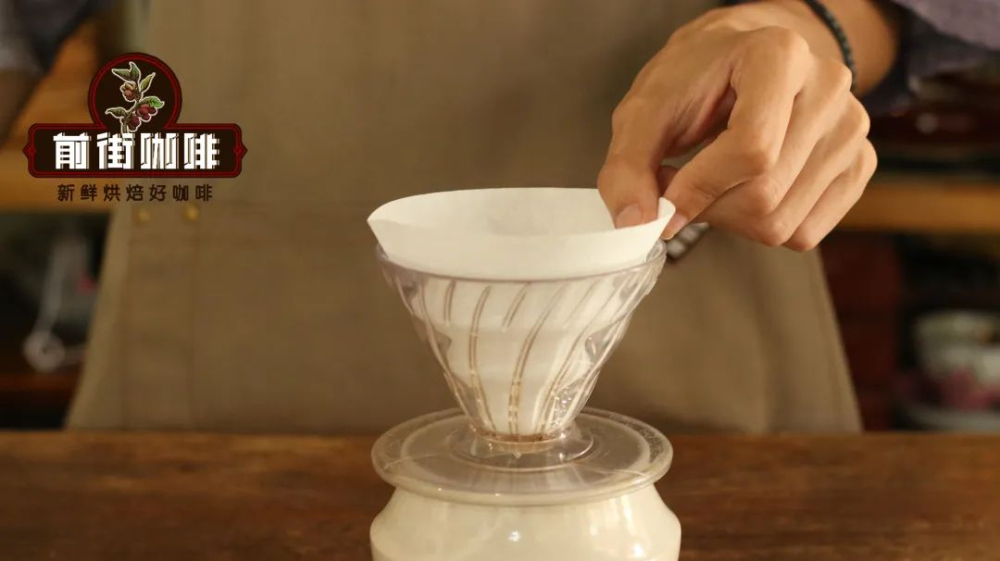
When brewing pour over coffee, most users will first fold the filter paper and place it in the dripper, then add coffee grounds. This seemingly simple piece of paper actually plays a critical role in filtering impurities and affecting extraction flavors. Marketed filter papers can be divided into white, bleached types and natural, unbleached types—so what’s the difference between them, and how should you choose based on your own needs?
Looking back at the history of filter paper, it was first invented by Melitta Bentz from Dresden, Germany. She used paper from her child’s exercise book as the filtering material, paired with a perforated copper bowl, successfully extracting a purer coffee liquid. This innovation replaced the previous method of using cloth, significantly reducing unwanted flavors. Later, she founded her own brand in 1908 and introduced the classic dripper design in 1937, laying the foundation for the modern pour over dripper.
Currently, commercially available filter papers are mainly divided into two categories: bleached and unbleached. Bleached filter papers usually undergo oxygen-based or chlorine-based treatment, which effectively reduces the inherent pulp odors, resulting in a cleaner and clearer coffee flavor. However, some manufacturers in the past used chlorine bleaching methods that could pose environmental concerns. In recent years, there has been a shift toward more eco-friendly oxygen bleaching or bamboo fiber materials, balancing health and sustainability. In contrast, unbleached filter papers have a simpler manufacturing process and are more environmentally friendly, but if not pre-wetted with hot water, they may release a slight papery smell that can affect the original flavor expression of the coffee.
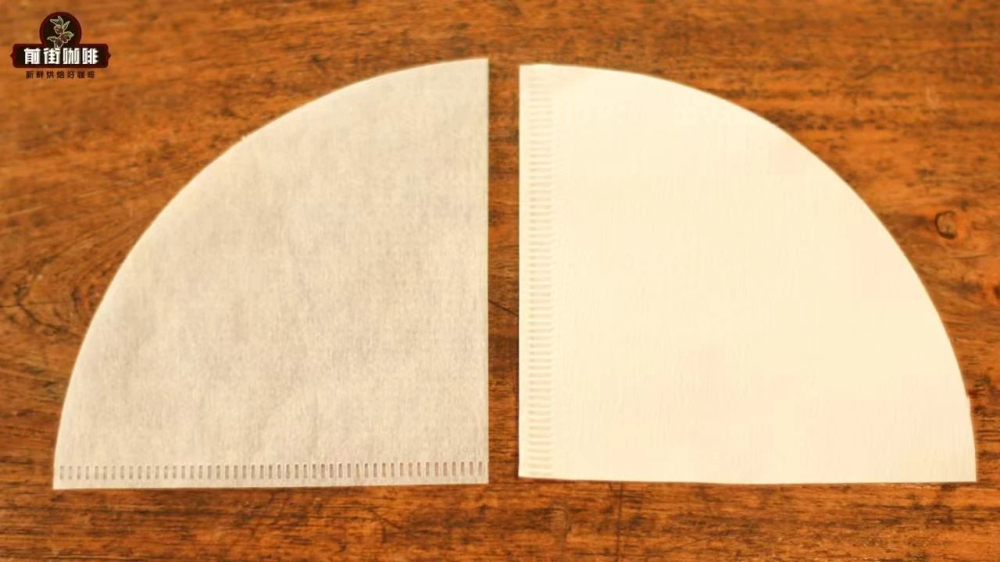
When selecting a filter paper, size is also an important consideration. Common specifications are divided into 1–2 servings and 3–5 servings: the former is generally suitable for single-person use with around 10 grams of coffee grounds, with a maximum capacity of about 20 grams; the latter is better suited for sharing or larger brewing needs, with a noticeably larger filter area. If you care about the environment and are willing to go through an extra step, you can opt for unbleached filter papers and rinse them with hot water 1–2 times in advance to effectively remove any paper taste. If you prefer saving time and convenience, you might consider using environmentally friendly, oxygen-bleached filter papers, which reduce pulp odors while maintaining ease of use.
The craftsmanship differences of filter papers are also worth noting. Even with the same material, different brands or even products from the same brand may have variations in thickness, texture, and water permeability due to manufacturing processes and structural designs. These details directly affect the brewing speed during extraction, thereby altering the final flavor profile. For example, the renowned Japanese filter paper manufacturer Sanyo Sangyo has launched three types of filter papers—T-83, T-90, and T-92—tailored for light-, medium-, and dark-roasted coffee beans, respectively. The main differences in their designs lie in water permeability and structural density, aiming to match the characteristics of various beans for optimal extraction.
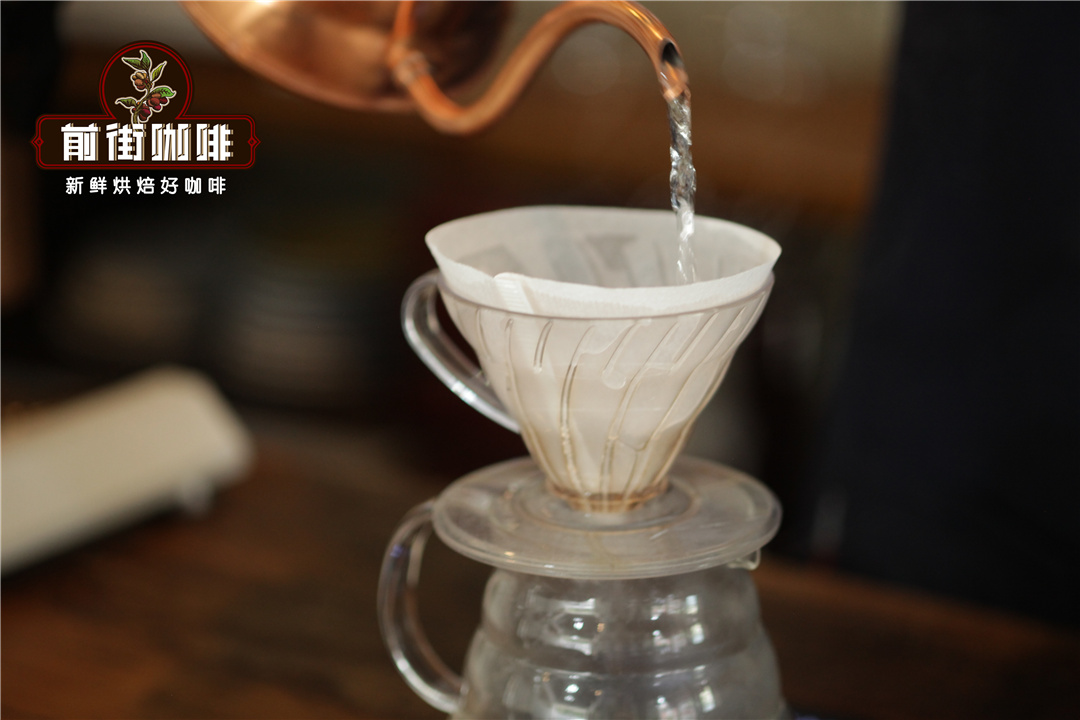
In summary, when choosing a pour over filter paper, you should take into account flavor clarity, personal brewing habits, and environmental awareness. Bleached filter papers offer a cleaner extraction flavor and are suitable for those who pursue layered taste profiles; unbleached filter papers are more eco-friendly but require pre-treatment to avoid any paper taste interference. Additionally, different craftsmanship and structural designs of filter papers can influence brewing speed and overall extraction performance. It is recommended to select the most suitable type of filter paper based on your commonly used beans and brewing methods, allowing each cup of pour over coffee to fully express its optimal flavor potential.
The above content is compiled by CoffeeHunters, a coffee news website.


