








Introduction:Drip bags are a pour over alternative for busy lifestyles, allowing you to enjoy near-fresh-ground flavor without professional equipment. This article delves into the design principles of drip bags, the reasons behind single-use limitations, and details the optimal brewing parameters such as water temperature, brew ratio, and bloom time. Additionally, it recommends three drip bag options with distinct flavor profiles—from rich to refreshing—to help you quickly find your preferred coffee taste.
For modern individuals, coffee is more than just a pick-me-up; it’s an integral part of daily life. With its simple operation, drip coffee has become the go-to choice for many busy people. It not only lowers the barrier to pour over brewing but also allows one to easily enjoy a high-quality cup of black coffee in the office or while traveling.
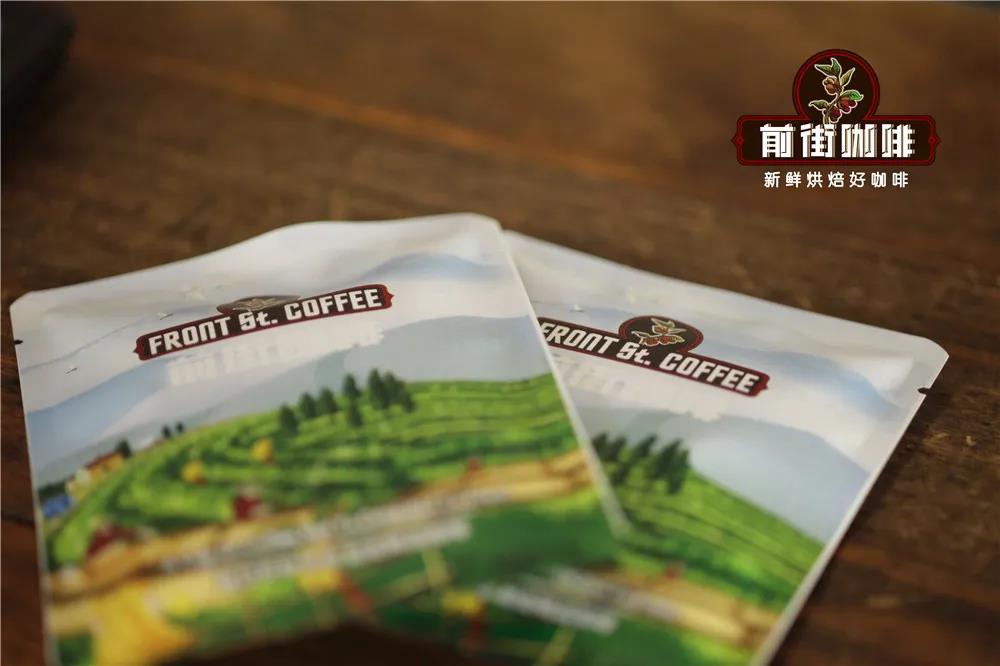
The concept of drip bags originated in Japan. In 2001, UCC Ueshima Coffee introduced the pioneering drip bag design, which was later patented and successfully commercialized. This packaging format, known in Japanese as 「一杯抽出型コーヒー」 (one-cup extraction type coffee), consists of pre-measured ground coffee packed in a non-woven or cotton filter pouch, with two "ear"-like handles on either side that securely hang over the rim of a cup. Simply pour hot water to complete the extraction.
< >
The biggest advantage of drip bags lies in their convenience. The coffee is pre-ground and sealed, eliminating the need for a grinder, filter cone, or paper filters. With just a cup, hot water, and a few minutes, you can brew a cup of coffee with a pour over-like quality. However, this convenience comes with some limitations—for instance, pre-ground coffee has a shorter aroma retention period, and without a filter cone for support, the overall flavor complexity is usually slightly inferior to that of professional pour over.
The advantages of drip bags include no need for grinding, no extra equipment, and ready-to-brew convenience right out of the package—making them ideal for office workers or frequent travelers. The downsides are that, since the coffee is pre-ground, even with individual seals, the aroma will gradually dissipate over time. It’s recommended to consume the coffee within 30 days of purchase and to avoid bulk stocking. Additionally, due to the structural limitations of the filter pouch, the distribution of coffee grounds is harder to make uniform, resulting in slightly less even extraction and less pronounced flavor layers compared to a filter cone.
Many first-time drip bag users ask: how many times can you brew with one drip bag? The answer is: usually just once. This aligns with the extraction principle of pour over coffee. Only about30%of the substances in coffee beans can be extracted by water. Beyond this proportion, what remains is mostly insoluble fiber. Adding more water won’t enhance the flavor—in fact, it may make the coffee taste weak and bland.
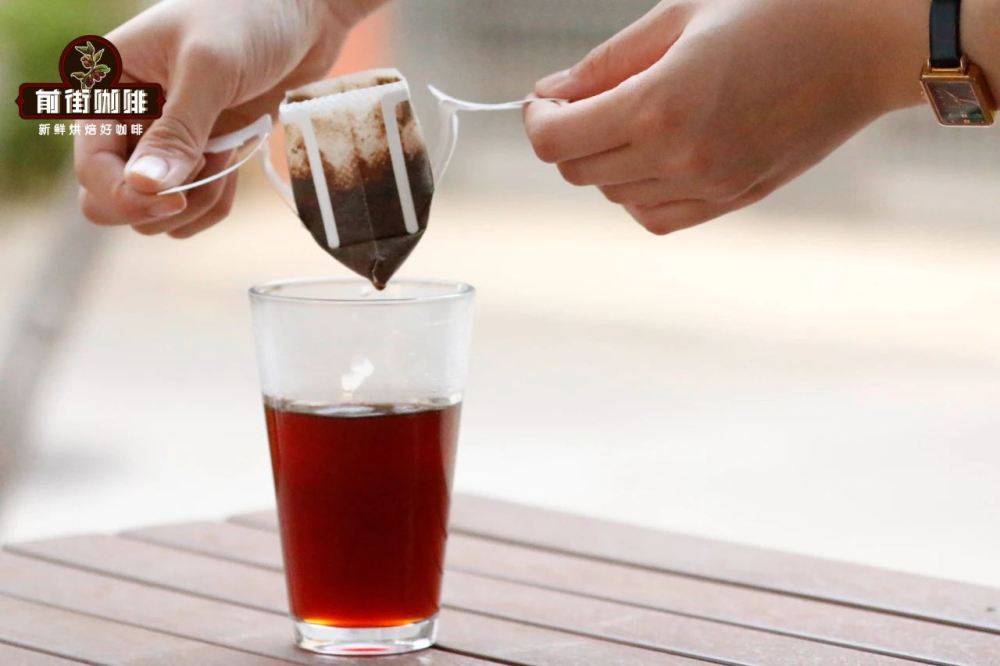
So why can’t drip bags be reused? The core reason lies in limited extraction efficiency. Each pour is a process where water, as a solvent, draws out the flavor compounds from the coffee grounds. Research shows that only a small fraction of the coffee bean’s weight consists of soluble substances. After the first brew, most of the extractable flavors have already been released. Re-brewing not only results in a weak cup but also lacks complexity.
< >
To brew a delicious cup of drip coffee, the key is to control several main parameters: water temperature, brew ratio, and bloom time. It’s generally recommended to use water at about90°C. This temperature effectively extracts the coffee’s acidity and sweetness without being so high as to bring out excessive bitterness. If you don’t have a thermometer, letting boiled water sit for about two minutes will bring it down to a suitable range.
For the brew ratio,1:15 is a classic and easy-to-start benchmark—that is, using 150 milliliters of water for every 10 grams of coffee grounds. This ratio delivers a balanced flavor profile, suiting the taste preferences of most people. Of course, if you prefer a stronger cup, you can reduce the water slightly; if you prefer a lighter cup, you can add a bit more water.
The bloom stage is also a crucial step affecting flavor. Start by pouring a small amount of hot water to let the coffee grounds fully expand—this process is called blooming, and the recommended time is to keep it between20 to 45 seconds. Blooming awakens the coffee grounds, releasing aromatic compounds and preparing them for the subsequent main extraction. Many users skip this step, but its impact on the final flavor should not be underestimated.
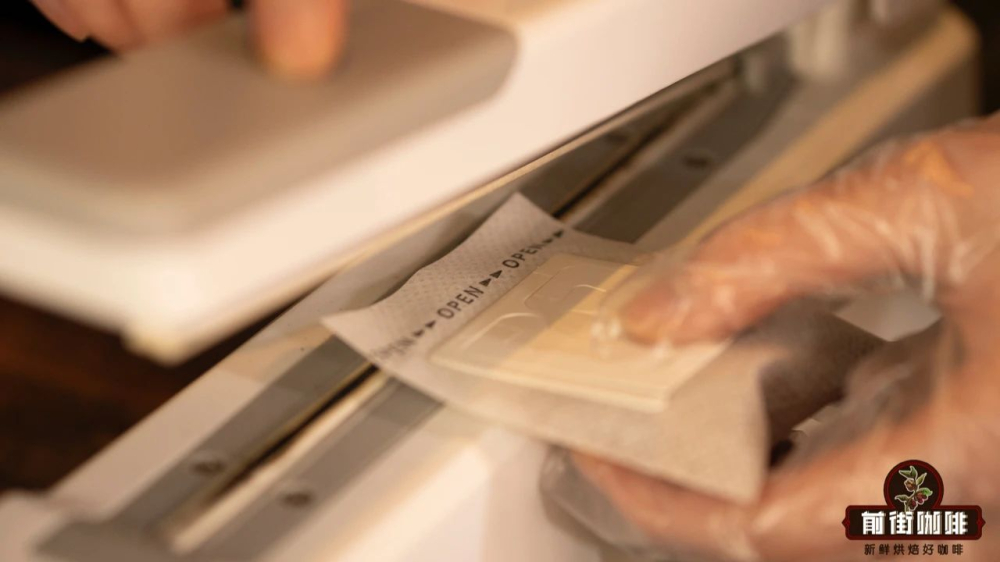
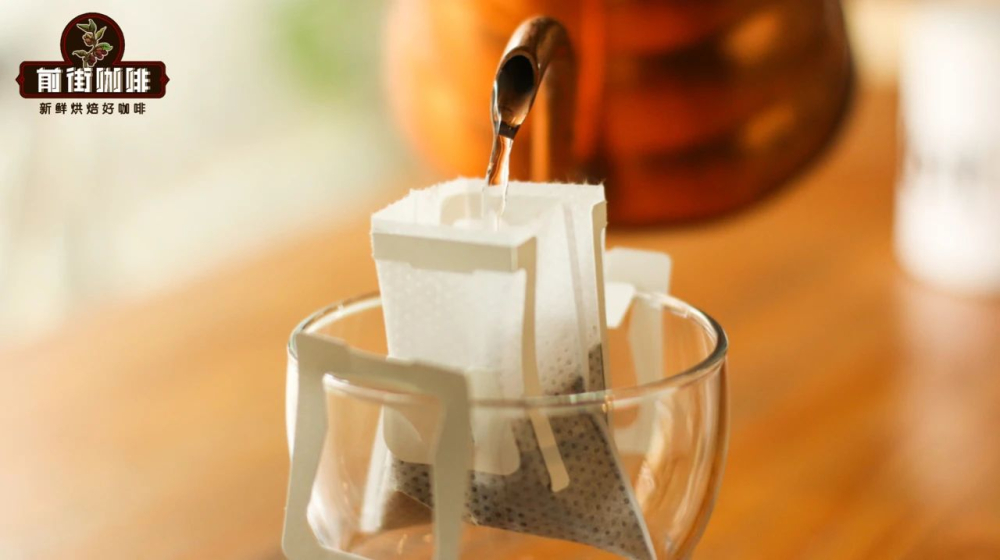
During actual brewing, it’s recommended to use a short-mouthed cup with the drip bag to ensure the drip bag stays stably mounted. First, tear open the outer package, open the seal along the indicated line, unfold the two side handles, and hang them over the rim of the cup. Then pour a small amount of hot water for blooming. Once the aroma is released, continue pouring the remaining hot water up to the desired volume. When pouring, it’s best to use a thin stream to maintain a steady flow rate, moving in a circular motion to ensure even contact between the water and the coffee layer.
< >
For coffee beginners, choosing a drip bag with a suitable flavor profile is key to getting started. Below are three representative drip bag products, each with unique flavor characteristics:
First is the Natural Heirloom Huakui, made from coffee beans sourced from Ethiopia’s Sidamo region. These beans are known for their intense fruitiness and full body. After natural processing, they exhibit distinct notes of berries, molasses, and floral tones, with soft acidity and prominent sweetness—ideal for those who enjoy complex, layered flavors.
If you prefer low-acidity, rich, and smooth cups, the Brazil Cerrado drip bag is a great option. This coffee presents textures of nuts, caramel, and cream, with a rounded mouthfeel and almost no noticeable acidity—suitable for pairing with breakfast or as an everyday single-origin bean.
For those who enjoy bright, vibrant acidity, the Yirgacheffe drip bag is worth trying. Sourced from Ethiopia’s Yirgacheffe region, these beans offer bright lemony acidity and white floral notes. The cup is refreshing, with a citrusy and tea-like aftertaste—perfect for coffee lovers who favor fruity acidity.
< >
In summary, drip coffee is a convenient and practical brewing method, well-suited to the fast-paced lives of modern people. As long as you master water temperature, brew ratio, and the basic brewing process, you can easily enjoy a flavorful cup of black coffee at home, in the office, or while traveling. Whether you’re a beginner or a coffee enthusiast looking for a daily alternative, you can start with drip coffee to explore your own world of coffee flavors.
< >
The above content is compiled by CoffeeHunters, a coffee news website.


