







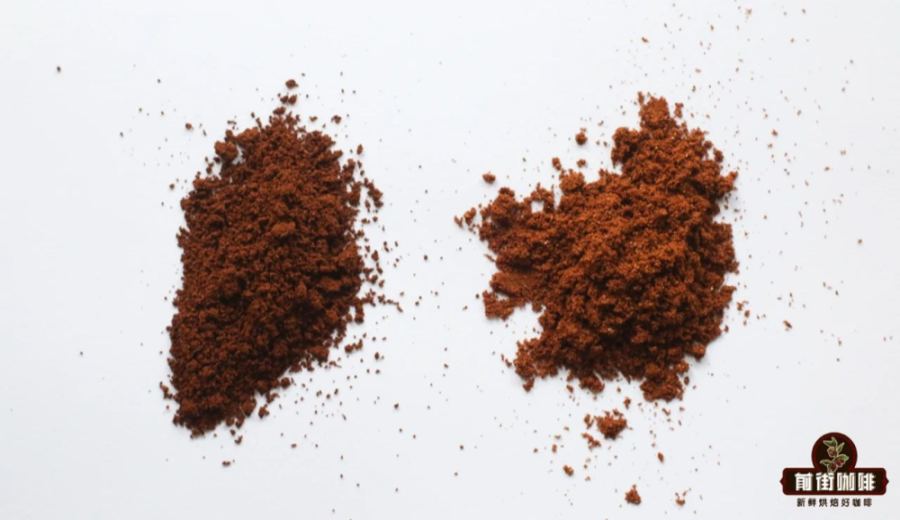
Introduction:Coffee flavor is determined right from the grinding stage!Different brewing methods require vastly different grind sizes—from pour over, French press to espresso, each method has an optimal grind range. This article explains in detail how to calibrate your pour over grind using a 0.85mm standard sieve, analyzes the differences in extraction rates between light, medium, and dark roasts, and compares sieve reference values for common brewing methods like cold drip and siphon. We also take a deeper look at how three main burr types—conical, flat, and flat/cylindrical (ghost teeth)—affect particle shape, helping you fine-tune your grind settings based on your brewing needs.
Grinding is the starting point of coffee brewing, yet it’s also one of the most overlooked steps by many beginners. Different brewing methods require distinctly different grind sizes: for example, a French press prefers a coarse grind where you can clearly see the individual particles, while Turkish coffee calls for an extremely fine grind, as fine as flour. The principle behind this is actually quite simple—given the same weight, the finer the grind, the more times the coffee beans are cut, resulting in a greater total surface area. This increases the contact between water and coffee grounds, allowing flavor compounds to be released more quickly.
To avoid vague descriptions like “sugar-like” coarseness, the industry has gradually adopted standard sieves as an objective reference. For typical pour over coffee, the ideal particle size usually falls between 600 and 850 micrometers. In practice, many specialty shops use a 0.85mm (i.e., #20) standard sieve for testing: for light roasted coffee beans, the expected percentage that passes through this sieve is around 80%; for medium to dark roasts, it typically ranges between 65% to 70%. Such proportions help achieve a balanced flavor during brewing.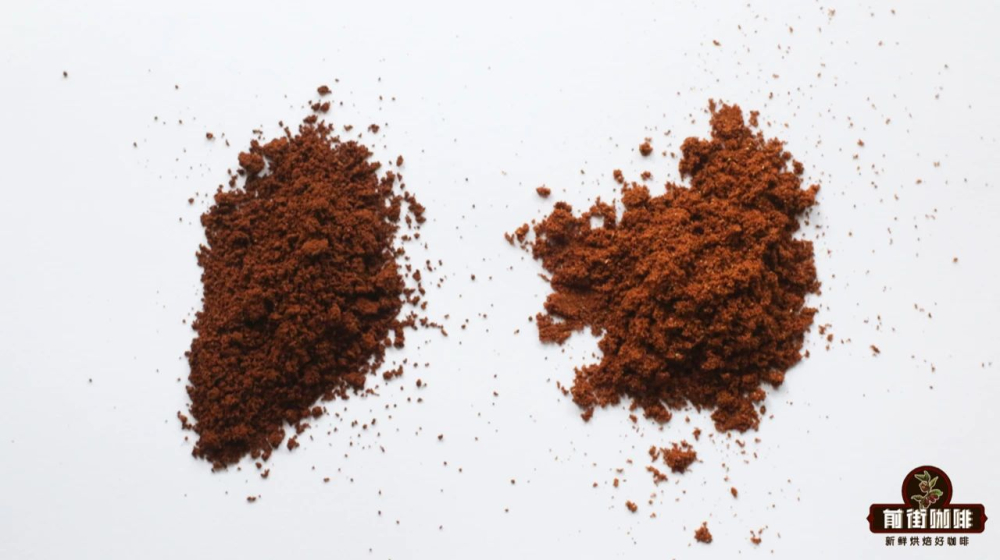
Not just pour over—other common coffee preparation methods also have corresponding recommended grind sizes. Using the same 0.85mm sieve as a baseline, you can roughly distinguish the extraction rate references for various methods: cold drip brewing generally requires a coarser grind than pour over, siphon coffee is about the same as or slightly coarser than pour over (with a passage rate of around 80%), while moka pots and American drip coffee fall between 75% to 80%; cupping grind is relatively finer, with a passage rate of around 70% to 75%, and the French press falls within 65% to 70%, clearly favoring a coarser grind.
As for situations requiring extremely fine grinds, such as Turkish coffee or espresso, the 0.85mm standard no longer applies. These grinds usually need to be controlled between 250 and 350 micrometers, so it’s recommended to use a 0.3mm sieve for testing to accurately determine whether the fineness meets the requirements.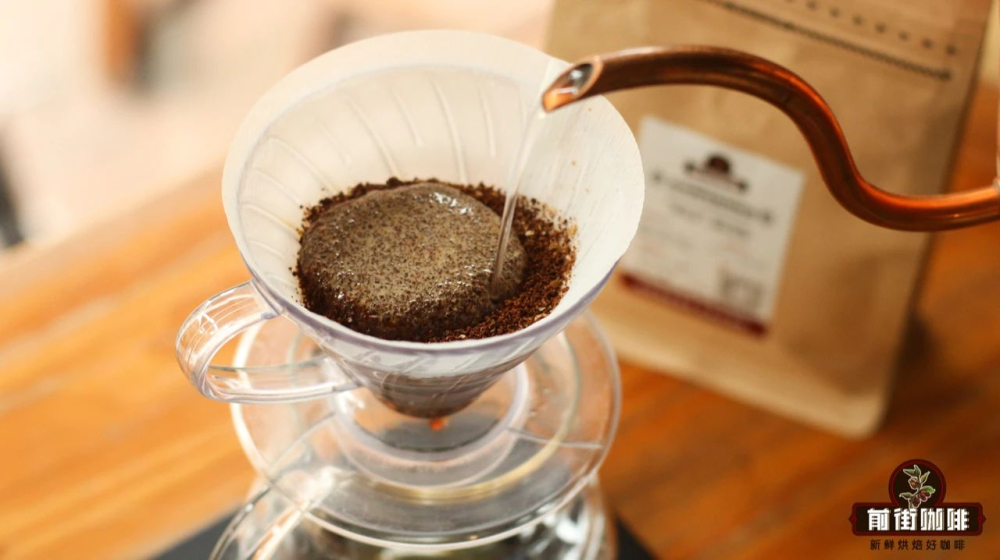
When it comes to grinding, the grinder burrs are arguably the most critical component, directly influencing the final particle shape and distribution of the coffee grounds. There are many types of grinders on the market, but some so-called “grinders” that merely have two blades chopping the beans—commonly referred to as “choppers”—are not within the scope of this discussion. Currently, the mainstream types of burrs can be divided into three main categories: conical, flat, and ghost teeth (flat/cylindrical), each with its own unique grinding characteristics.
Conical burrs crush coffee beans into particles through a grinding motion, so the resulting particles often have an irregular, chunky appearance, especially common in hand-crank grinders. This “crushing” mechanism tends to produce more fine particles when the coffee beans fracture, though the overall particle size remains relatively uniform. Due to the chunky structure, the water absorption path is longer, resulting in longer contact time between water and coffee grounds. This leads to a slower initial release of soluble substances, making it less likely to produce overly high concentrations; however, on the flip side, during prolonged extraction, the woody components are less likely to be excessively extracted, helping reduce off-flavors and astringency—making it especially suitable for detail-oriented pour over brewing. It’s worth noting that there can be significant differences in grind uniformity and fine particle control between high-end and low-end conical burrs.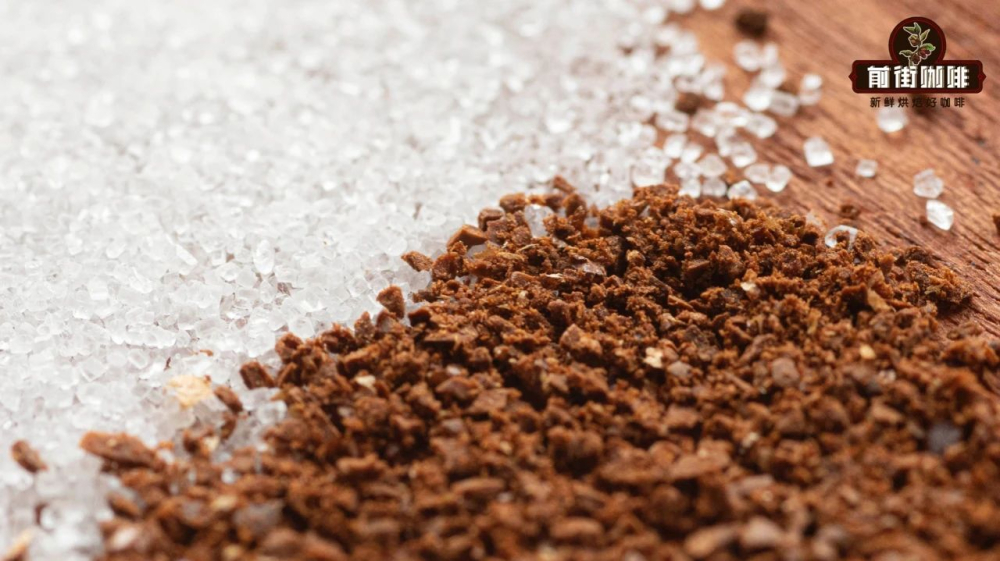
Flat burrs grind coffee beans by slicing, producing particles that are mostly flaky or strip-shaped. Their structure consists of parallel upper and lower burrs, with the bottom burr rotating to push the coffee beans into the grinding zone. The weight of the beans above can affect feed consistency, which in turn increases the chances of particle collision, resulting in a relatively higher proportion of fine particles. However, the flaky-shaped particles offer a larger contact surface area with the cell walls, which can rapidly enhance the coffee’s concentration and initial extraction rate, and aroma release is also comparatively quicker. Additionally, due to the smaller volume of these flat, flaky particles, woody components are less likely to be excessively released during prolonged extraction, helping to suppress off-flavors and astringency. Therefore, they are also suitable for certain espresso grinds and pour over needs.
Ghost teeth burrs operate on a grinding principle, producing particles that are closer to spherical in shape. This design breaks down a single coffee bean into multiple small, spherical particles. Although it also produces a fair amount of edge fragments (i.e., fine particles), overall, the size difference among larger particles is minimal, and their distribution is relatively consistent. This characteristic makes ghost teeth grinding particularly well-suited for pour over applications where uniform extraction is desired.
Finally, consumers often hesitate when choosing between manual and electric grinders. Hand grinders offer the advantages of portability and intuitive operation, making them ideal for travel or on-the-go use; electric grinders, on the other hand, excel in ease of use, high precision, and stable grind performance—especially noticeable in higher-end models. However, when considering the same budget, many professionals recommend prioritizing manual grinders, as they often provide a more flexible adjustment experience and greater operational enjoyment.
The above content is compiled by CoffeeHunters, a coffee news website.


