







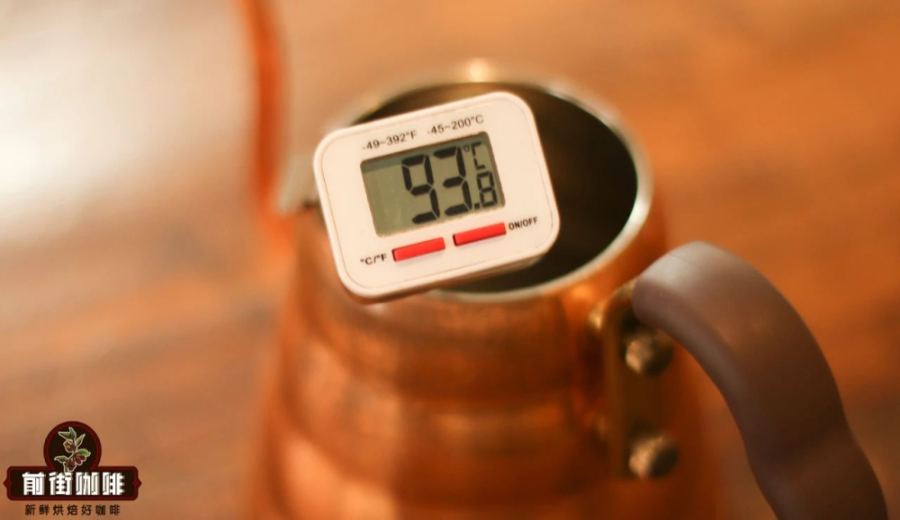
Introduction:The flavor profile of pour over coffee largely depends on the precise coordination between water temperature and extraction time. This article delves into how different water temperatures affect the richness, acidity-sweetness balance, and layering of coffee, and provides practical suggestions for extraction time to help you master the key to stable brewing. Whether you're a beginner or an avid coffee enthusiast looking to refine your skills, you’ll find inspiration for adjusting parameters here.
Many pour over enthusiasts have had similar experiences: simply adjusting the hot water temperature can make the same coffee beans display completely different flavor profiles. When the water temperature is higher, the coffee often presents a fuller body and more intense aroma; conversely, under lower temperatures, the flavors may seem thin and lack depth. So what exactly is the ideal water temperature? And how should it be paired with the right extraction time to bring out the best in the coffee? The following will explore the subtle relationship between temperature and flavor from a practical perspective.
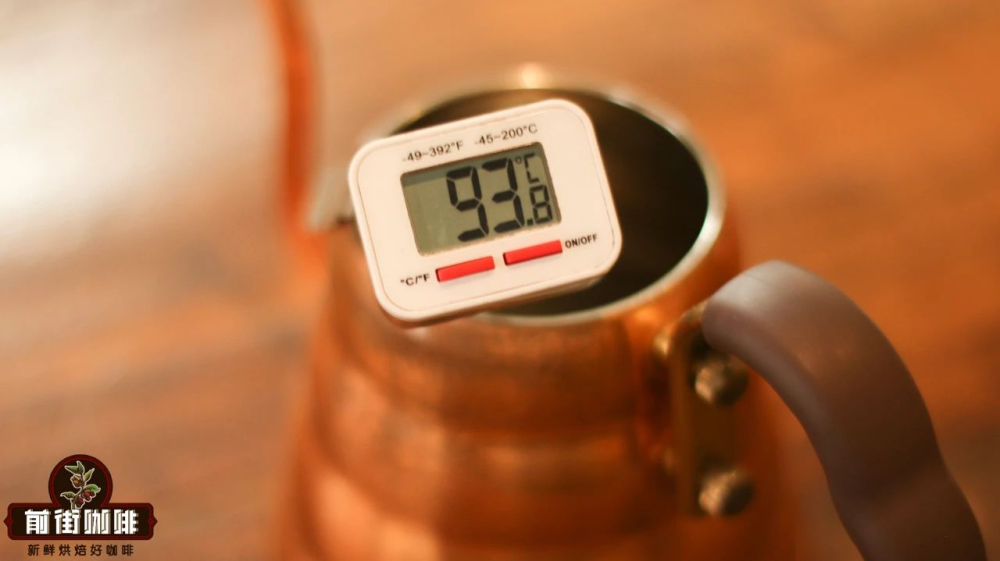
Water temperature is one of the key factors influencing coffee extraction efficiency. Generally speaking, higher water temperatures help extract acidic compounds and aromatic substances from the coffee, making the beverage more layered and vibrant. However, if the temperature is too high, it may lead to over-extraction, resulting in bitter and astringent off-flavors. On the other hand, lower temperatures reduce the risk of over-extraction but may make the coffee taste flat and lack the desired depth. Therefore, mastering an appropriate temperature range is a fundamental skill every pour over enthusiast should be familiar with.
The commonly recommended water temperature range is around 88 to 96 degrees Celsius, but the exact value still needs to be flexibly adjusted according to the roast level and processing method of the coffee beans. For example, light roast beans are usually suitable for higher water temperatures to fully bring out their bright acidity and complex aromas; while medium to dark roast beans can have the water temperature slightly lowered to avoid over-extracting tannins and burnt, bitter components. In practice, it is recommended to use90 to 93 degrees Celsiusas a starting point, then fine-tune based on actual flavor feedback.
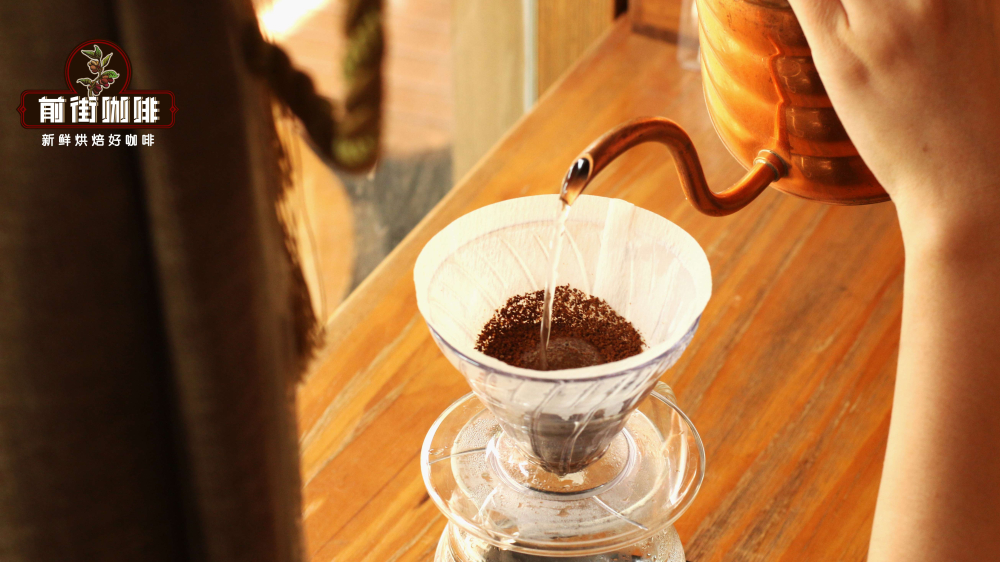
In addition to water temperature, extraction time is also a crucial parameter that determines coffee flavor. Generally, the total extraction time for pour over should be controlled between 2 to 4 minutes. If using a finer grind, the water flows through more slowly, and the total time may be longer—pay attention to whether over-extraction occurs. Conversely, if the grind is too coarse or the water flow is too fast, resulting in too short an extraction time, it may lead to under-extraction and incomplete flavor. The ideal scenario is to allow the coffee grounds to fully release their essence under the right combination of water temperature and grind size, while avoiding impurities dissolving into the brew.
To stabilize your pour over results, it’s recommended to start with fixed parameters, such as usinga coffee-to-water ratio of 1:15 to 1:17, and recording the water temperature, grind size, and time for each brew. Through multiple attempts, observe how different combinations affect the flavor, and gradually find the combination that best suits your taste. For example, if you find the coffee too sharp or overly acidic, you can try lowering the water temperature or extending the extraction time; if the taste is too dull or bitter, adjust in the opposite direction.
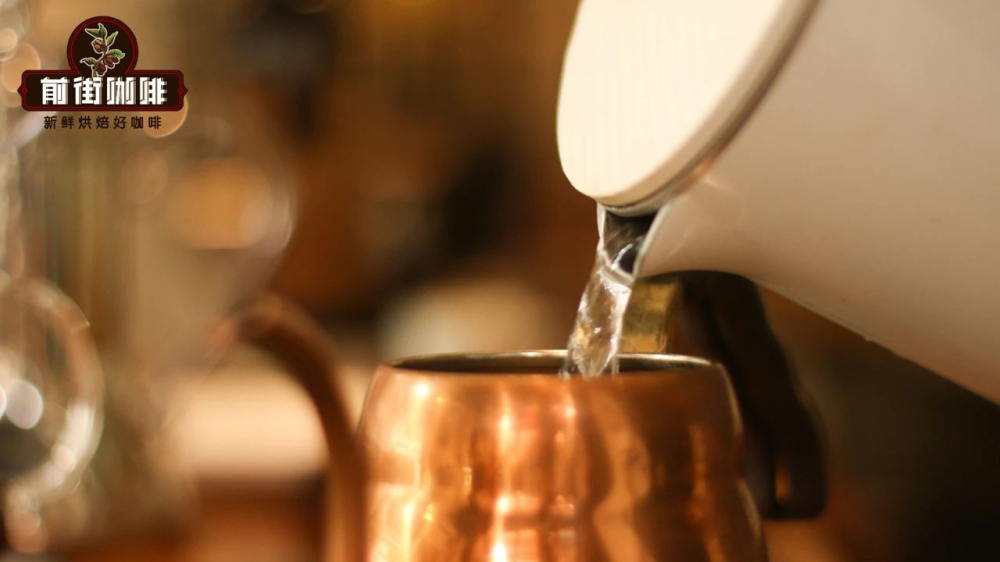
In actual practice, there are also some details worth noting. First is preheating the equipment, including the pour over kettle, filter cone, and server, to ensure the entire brewing environment maintains a stable temperature and to avoid temperature differences affecting extraction efficiency. Second is the pouring technique—segmented pouring is recommended. For instance, start by wetting the coffee grounds for blooming, then pour in a circular motion from the inside out and from the outside in evenly, ensuring every coffee particle is evenly exposed to hot water. In addition, the stability of the water flow is crucial; a smooth and consistent flow helps control extraction time and flavor balance.
For beginners, there’s no need to be overly fixated on exact numbers—the key is understanding how water temperature and extraction time together influence flavor expression. It’s suggested to start witha water temperature of around 92 degrees Celsiusanda total extraction time of about 3 minutes, using a medium grind size, and gradually observe and adjust. Recording each set of parameters and your sensory experience is one of the most effective ways to improve your pour over skills.
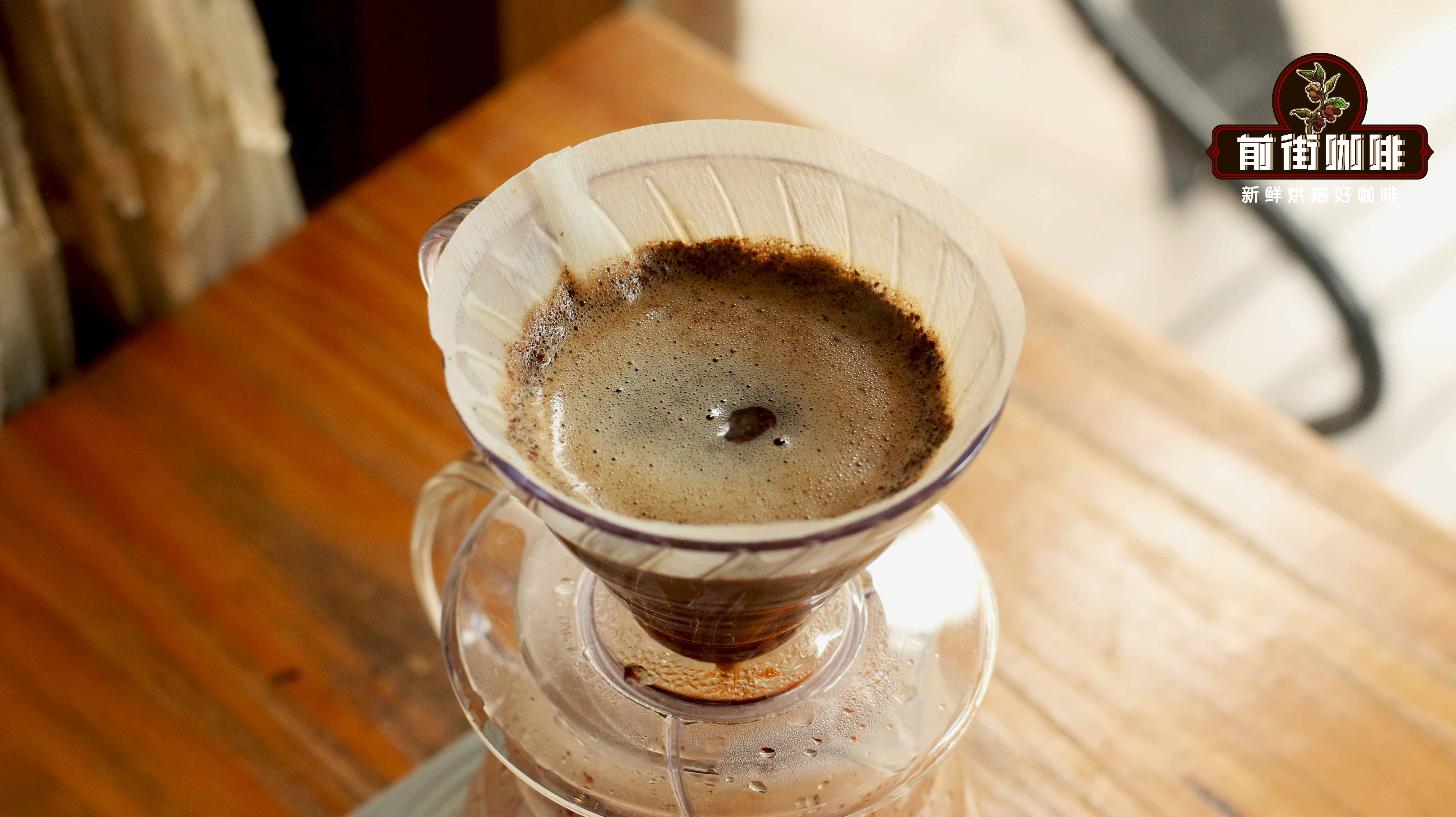
In summary, the charm of pour over coffee lies in its ability to showcase a myriad of flavor possibilities through simple tools and parameter adjustments. The combination of water temperature and extraction time is at the heart of this art. Whether you’re a newcomer just starting out or an experienced coffee lover, understanding these basic principles can help you more consistently produce a cup of coffee with clear layers and a smooth mouthfeel at home. Remember, practice and observation are key—every attempt is a step closer to your ideal flavor.
The above content is compiled by CoffeeHunters, a coffee news website.


