








Introduction:Many people think Americano tastes too bitter, but in fact, with the right brewing techniques and understanding of blend characteristics, you can enjoy its smooth flavor. This article delves into the historical origins of the Americano, common causes of bitterness, and shares professional espresso brewing parameters and blend selection. It also explores the science behind adding sugar or milk, helping you find the most suitable way to enjoy it.
Walk into any coffee shop, and the Americano is almost always a staple drink. This classic black coffee is known for its quick preparation and straightforward flavor, yet its often bitter and astringent taste deters beginners. Where does the bitterness of an Americano come from? How can you adjust it to bring out its layered flavors? Let’s comprehensively analyze the charm of this coffee drink, from its historical background to the finer points of brewing.
[The Legend of the Americano's Origin]
There are two widely circulated stories about how the Americano got its name. During World War II, American soldiers stationed in Italy, unaccustomed to the intense strength of espresso, diluted it with hot water themselves. The Italians mockingly called this drink "the Americans' coffee (Americano)." Another theory is that after Starbucks founder Howard Schultz introduced espresso to the U.S. market, he added hot water to cater to consumers who preferred a milder taste. Regardless of its origin, the modern Americano typically consists of 1–2 shots of espresso mixed with hot water, creating a classic combination that balances rich aroma with a smooth finish.
[Health Benefits and Low-Calorie Profile]
Beyond its energizing effects, the Americano offers several health benefits. Coffee beans naturally contain niacin (a B vitamin), free fatty acids, and tannic acid, among other compounds, which—after roasting—yield a wealth of flavorful substances. Studies show that moderate consumption can help boost metabolism, relieve constipation, and even accelerate alcohol metabolism. Notably, the Americano is extremely low in calories, with even large sizes contributing almost nothing, making it a favorite among health-conscious consumers.
[Analysis of Professional Brewing Parameters]
The key to crafting an ideal Americano lies in controlling the extraction of the espresso shot. Take a common brewing recipe used in professional cafés as an example: using20 grams of coffee grounds, aiming to extract35 grams of espresso, within an extraction time of28–29 seconds—the golden window. These parameters ensure optimal release of caffeine and flavor compounds while avoiding the bitterness caused by over-extraction.
[The Art of Flavor Balance with Blends]
Choosing the right blend is crucial. Take the classic Sunflower Warmth Blend as an example, which uses a golden ratio of70% Honduras Sherry beansand30% Yirgacheffe Natural Red Cherry. The dark-roasted Honduras beans contribute whiskey-like aromas and vanilla creaminess, while the naturally processed Yirgacheffe adds bright berry acidity. This combination creates complex layers—fermented wine notes, citrus acidity, and dark chocolate—even at the espresso stage, all of which remain intact when diluted.
[Causes of Bitterness and Solutions]
The bitterness often criticized in Americanos mainly stems from two factors: first, the intrinsic flavor profile of the coffee beans—dark roasts and high-body blends naturally possess stronger bitter-sweet notes; second, brewing errors such as overly fine grind leading to over-extraction, or uneven water flow causing channeling. Professionals recommend keeping the extraction rate within18%-22%the golden range. An extraction rate that’s too low (<18%)會導致尖酸乏味,超過22%則會釋放過多苦澀物質。
[Flavor Adjustment Tips and Scientific Rationale]
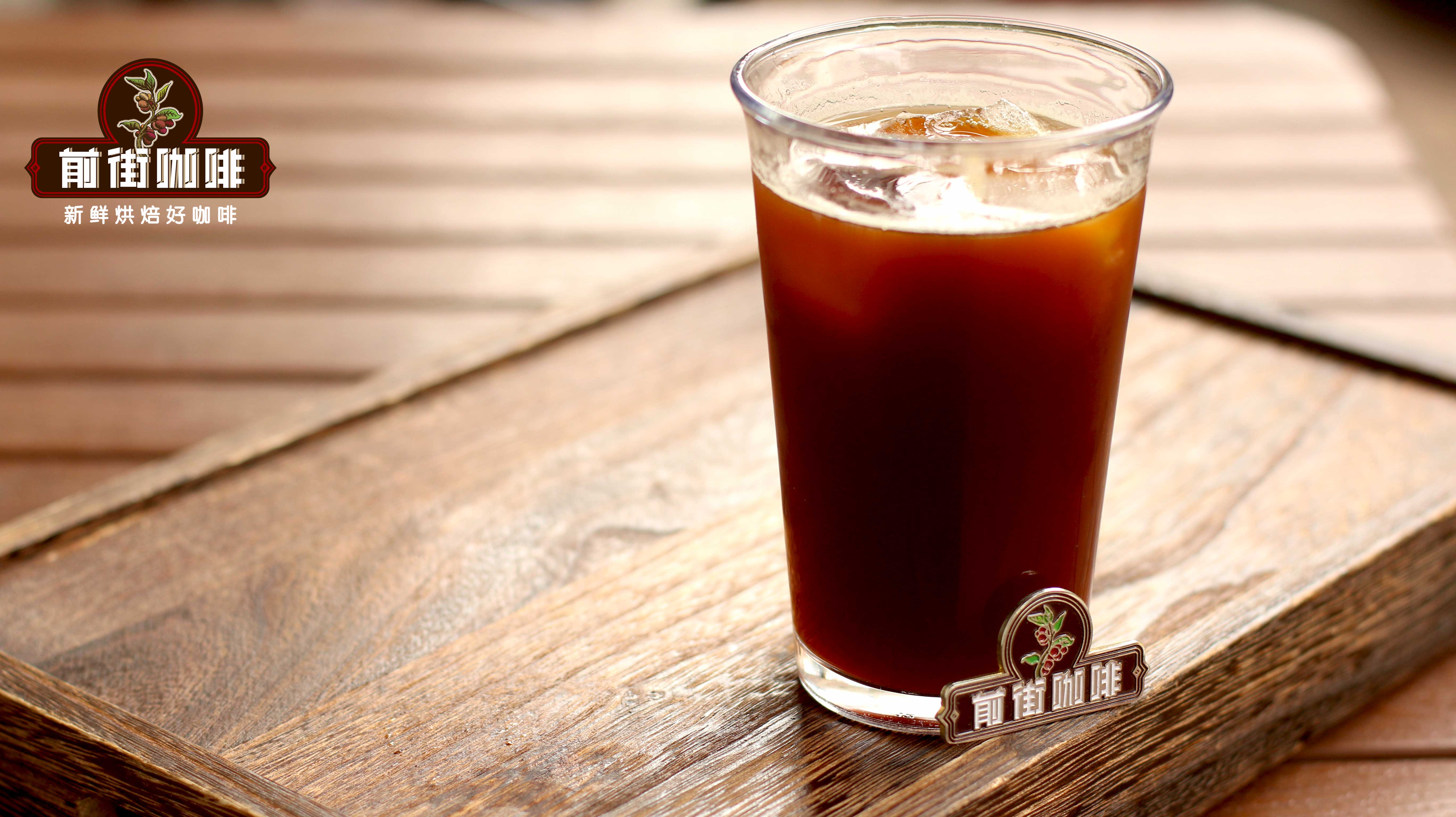
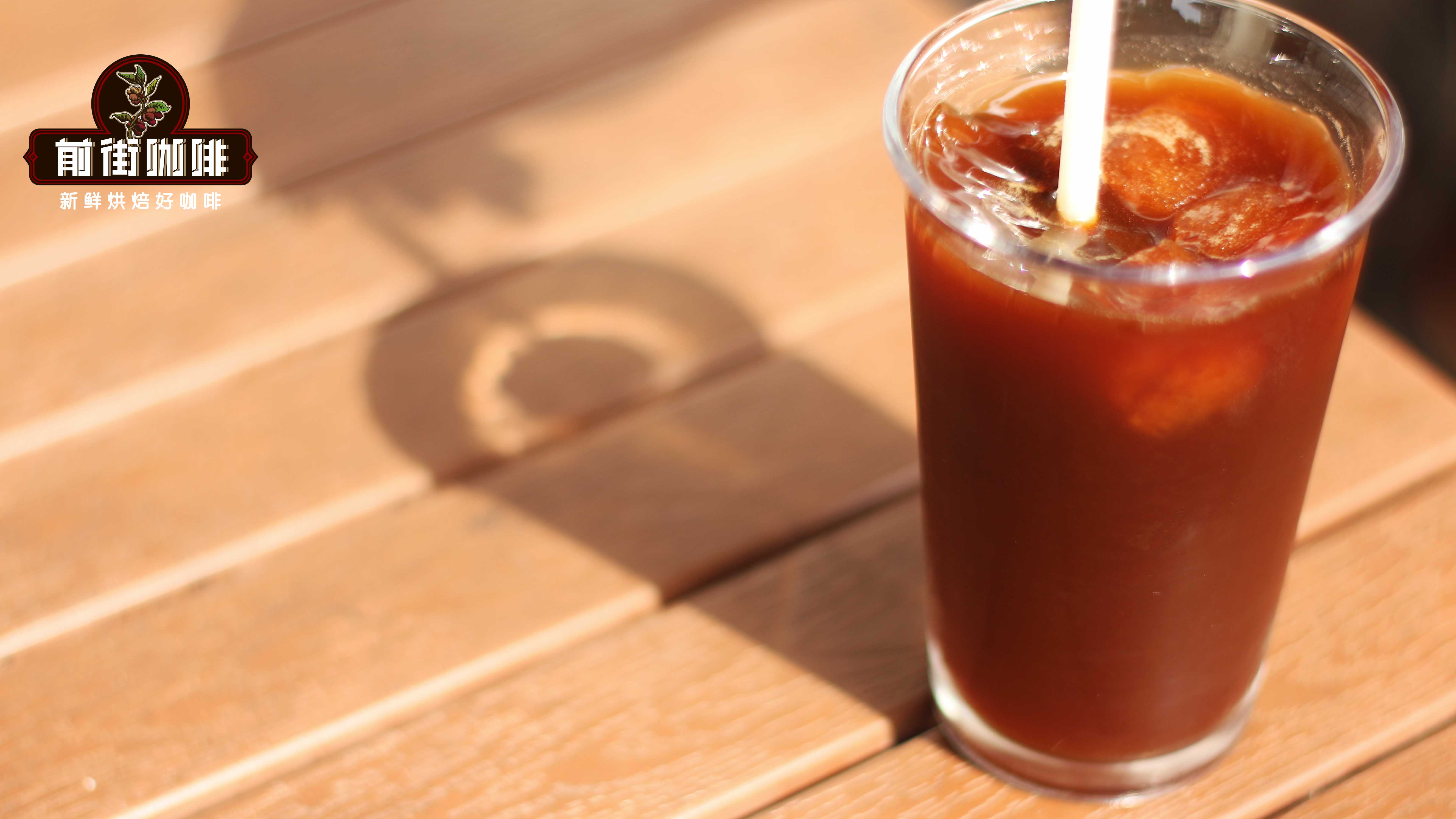
When facing a bitter Americano, adding sugar or milk are both reasonable adjustments. Scientifically speaking, the right amount of sugar can reduce the sensitivity of bitterness receptors, while the fat and protein in milk effectively coat tannic acid molecules. However, note that additives can alter the coffee’s original flavor profile. It’s best to first try it black to appreciate its base flavors, then adjust gradually based on personal preference. Iced Americanos feel less bitter due to lower temperatures, making them an excellent summer choice.
With these key insights, next time you enjoy an Americano, you’ll be able to more professionally assess its flavor characteristics and adjust your brewing to suit your preferences. Remember, bitterness isn’t a flaw—it’s an essential part of what makes espresso so compelling.
The above content is compiled by CoffeeHunters, a coffee news website.


