







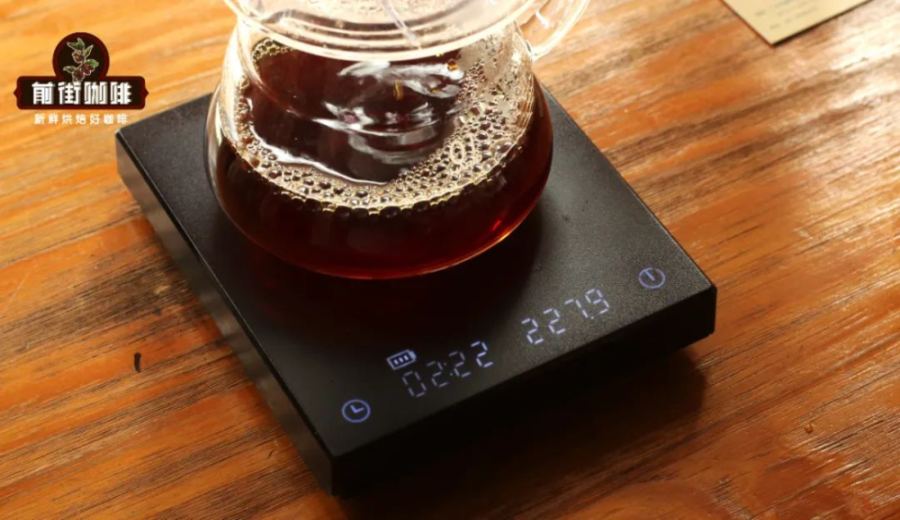
Introduction:The inconsistency in pour over coffee flavors often puzzles coffee enthusiasts. Many follow tutorials yet still struggle to achieve stable extractions with desired flavor profiles. In fact, extraction outcomes are influenced by six core parameters: water temperature, coffee-to-water ratio, grind size, pouring technique, extraction time, and water quality. This article delves into the practical effects of these elements to help you identify adjustment directions, master more precise pour over techniques, and achieve greater consistency in every cup.
Many friends who enjoy pour over coffee often face a common challenge: despite following instructions step-by-step each time, the resulting brews can be hit-or-miss, seemingly a matter of luck. When seeking advice from more experienced brewers, the response is often “there are too many variables.” But which parameters are truly key to flavor direction? In reality, pour over extraction results stem from the interplay of six major factors: water temperature, coffee-to-water ratio, grind size, pouring technique, extraction time, and water quality. Among them,Grind Sizeis one of the most critical yet frequently overlooked elements. Next, we’ll break down these variables one by one to help clarify your adjustment strategy, leading to more stable pour over results and more controllable flavors.
After reading pour over guides, many readers try brewing at cafes and often raise questions about parameter adjustments. One customer once directly asked: “Out of all these variables, which one actually determines the flavor?” This question reflects a common frustration among beginners—even when meticulously following instructions, the final taste remains elusive, leading to doubts about potential missteps in key details. This gives us a chance to explore which parameters most influence coffee extraction and flavor expression, and which are often misunderstood.
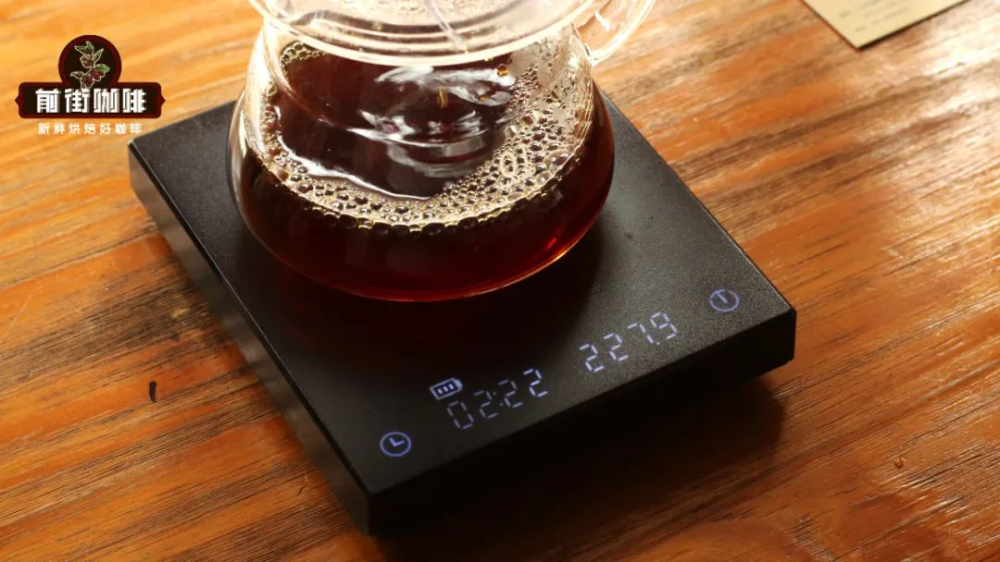
One of the charms of pour over coffee lies in its variability. Many have heard tips like “cut off the tail to avoid bitterness,” “the coffee bed should expand during blooming,” or “always wet the filter paper first.” While these techniques have scientific backing, they can seem like “mysticism” without understanding the principles. However, from the perspectives of extraction science and flavor chemistry, these steps do make sense. Similarly, various pour over parameters—including water temperature, coffee-to-water ratio, grind size, pouring technique, time, and water quality—directly impact the final extraction. Among these, water temperature, coffee-to-water ratio, grind size, and pouring technique are the four most frequently discussed elements, while time varies with the former three, and water quality can be further explored in specialized articles. Let’s now take an in-depth look at these key factors.
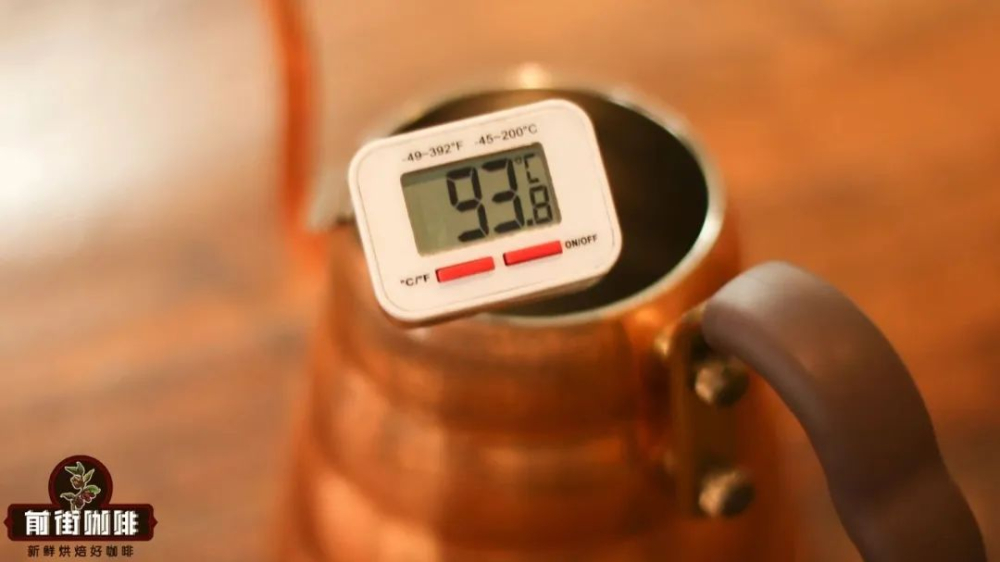
Water Temperaturehas always been a focal point of discussion regarding its impact on coffee extraction. Generally, water temperature is a crucial tool for regulating the release rate of soluble compounds. The higher the temperature, the more flavor substances are extracted, but this can also bring excessive bitterness and impurities. Therefore, most coffee beans are best extracted with water between 86–93°C. However, many people fall into a misconception, believing that even a 1°C difference will have a huge impact. For instance, one customer brewed with Ethiopian Sidamo beans using the recommended 91°C but found the aroma lacking and the taste overly bitter. They then lowered the temperature themselves but noticed little change. It turned out the issue was actually an overly fine grind size. In fact, as long as the water temperature doesn’t deviate significantly from the suggested range, if the coffee tastes noticeably off, the problem is more likely due to other parameters rather than just the water temperature.
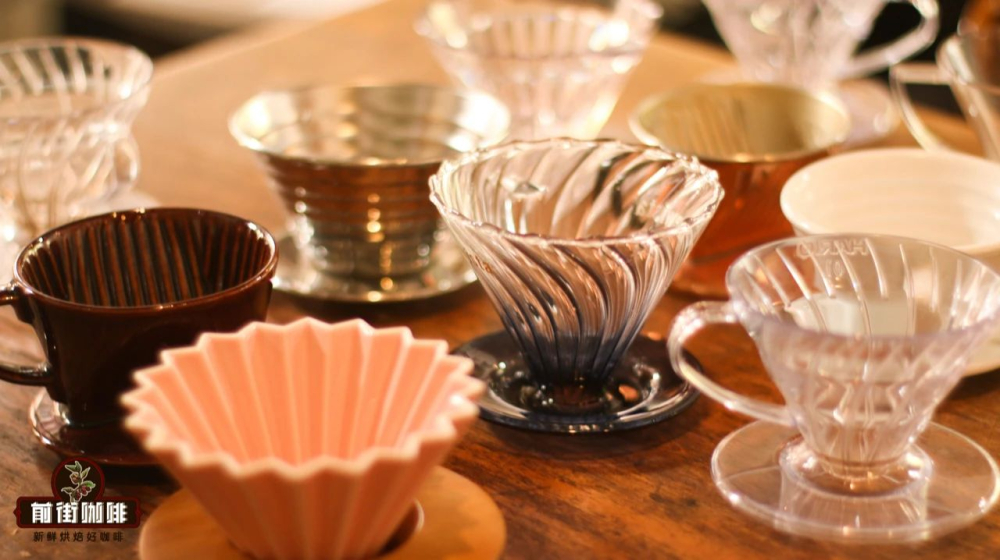
Next, let’s discussCoffee-to-Water Ratio, a vital variable that affects coffee strength and flavor expression. For example, the common 1:15 ratio—15 grams of coffee grounds to 250 grams of water—is a starting point recommended by many baristas. But if you find the flavor too concentrated or the body too heavy at this ratio, you can increase the water proportion to 1:16 or 1:17. By adding more total water, you can achieve a more balanced taste and a smoother aftertaste.
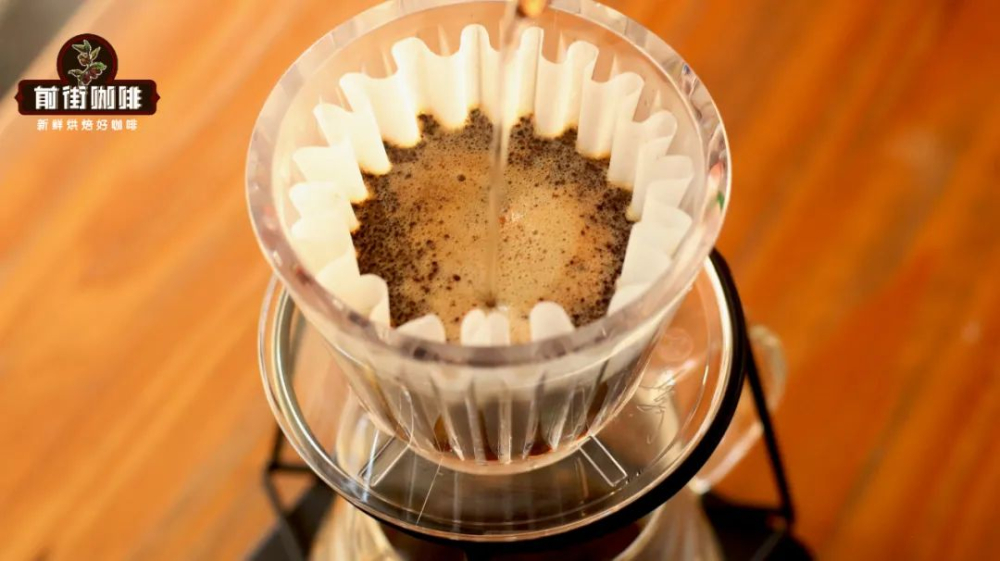
As forGrind Size, it is arguably one of the most critical and most misunderstood elements in the pour over process. Regardless of brewing method, the coarseness and uniformity of the grind directly affect extraction efficiency and flavor performance. The ideal grind state is one where particle size is moderate and distribution is even, ensuring hot water penetrates the coffee bed uniformly and extracts a rich, balanced array of flavor compounds. In practice, many beginners use “granulated sugar” as a reference, but even if the adjustment seems similar in coarseness, poor grinder quality can still lead to excessive fines, channeling, or uneven extraction. For example, some home brewers find their coffee beds clogging severely, with extraction times exceeding two and a half minutes, or the coffee bed turning into a muddy slurry—often due to subpar grind quality. Solutions include using a sieve to remove excess fines or upgrading to a grinder with more consistent grind quality.
Finally,Pouring Techniqueis a key tool for advanced brewers to fine-tune flavor, encompassing details like water flow rate, pouring path, and water distribution. Once other parameters—water temperature, coffee-to-water ratio, and grind size—are set, pouring technique can further adjust extraction balance and layering. For instance, if after the second pour the coffee flows too quickly into the server, resulting in an extraction time under one minute, incomplete extraction may occur. In such cases, you can adjust flexibly—such as splitting the remaining 100ml of water into two 50ml pours, using a smaller stream and slow circular pouring to extend extraction time to about 1 minute and 55 seconds. This helps enhance the coffee’s body and flavor expression. However, while pouring technique is flexible, adjustments should still align with bean characteristics, grind conditions, and personal taste preferences to find your optimal balance.
The above content is compiled by CoffeeHunters, a coffee news website.


