







Introduction:Many coffee enthusiasts wish to enjoy the aroma and layered flavors of coffee while worrying about caffeine’s impact on sleep and health, leading them to turn to decaffeinated coffee. But did you know that decaf coffee is actually divided into two main categories: natural and artificial? How do different decaffeination processes affect flavor? This article delves into decaffeinated coffee—from its historical discovery, four mainstream technologies, nutritional value, to common misconceptions—providing an in-depth analysis along with actual cupping references.
Caffeine brings alertness and energy, but excessive intake can easily lead to insomnia, palpitations, and other reactions, making decaf coffee increasingly popular. Can decaf coffee really balance flavor and health? This article starts with the origins of decaf, introducing the discovery process by Goethe and chemist Runge, as well as later inspiration from Roselius through seawater soaking, which led decaf toward mass production. It also distinguishes between naturally low-caffeine varieties such as Laurina and today’s mainstream artificial decaffeination techniques, helping you understand the principles and differences behind each method.
Generally speaking, the caffeine content of coffee beans varies by variety. Arabica beans have a caffeine ratio of about 0.9% to 1.4% per kilogram, averaging around 1.2%; Robusta beans are higher, at about 1.8% to 4%, averaging around 2.2%. Decaf coffee can mainly be divided into two categories: one is naturally low-caffeine varieties, such as Laurina, which contains only about 0.6% caffeine—half that of regular Arabica—and often has a rounder flavor; the other is processed beans where most caffeine is removed through artificial techniques. According to EU standards, decaf coffee must contain less than 0.1% of the original caffeine content in green beans, while the U.S. FDA stipulates that it must be reduced to below 3% of the original content.
Currently, common decaffeination methods can be categorized into four types: direct solvent method (also called natural decaf), Swiss Water Process, supercritical carbon dioxide method, and mountain spring water process. These methods all aim to remove caffeine as much as possible while preserving the original flavor and aroma of the coffee.
Among these, the direct solvent method is one of the oldest artificial decaffeination methods. In the past, dichloromethane was commonly used as the solvent. First, steam is used to open the pores of the green beans, then the solvent is directly applied to the beans to bind with the caffeine, which is then washed away and evaporated during roasting. Although dichloromethane has a boiling point of only 39.8°C and almost completely evaporates during roasting, many consumers still have concerns due to its potential carcinogenic risks. Another common solvent is ethyl acetate, often extracted from sugarcane, hence this method is also referred to as the sugarcane decaf method. Some decaf beans from Colombia use this process, but ethyl acetate is a flammable substance, posing higher operational risks.
The Swiss Water Process is a more natural and widely used technique. This method involves soaking green beans in hot water that has already fully extracted all flavor compounds from the beans, leaving only caffeine. Then, activated carbon filters are used to remove the caffeine, leaving behind flavor-rich hot water. This water is then used to soak the next batch of green beans, achieving the dual effect of removing caffeine while retaining flavor. Since no chemical solvents are used, it is suitable for consumers who prefer natural processing.
The carbon dioxide method utilizes carbon dioxide in its supercritical state, which has high selectivity, precisely adsorbing caffeine without affecting flavor components such as carbohydrates and proteins. First, the green beans are moistened to expand them, loosening the caffeine molecule structure. Then, liquid carbon dioxide is injected under high pressure (over 100 atmospheres) to effectively extract the caffeine, and the carbon dioxide can be reused. This process puts less strain on the body, has a high caffeine removal efficiency, but is relatively more expensive.
The mountain spring water process is similar to the Swiss Water method but uses special glacial water sources for extraction. This method also removes caffeine through a special filtration system while retaining water-soluble flavor compounds, making it suitable for markets pursuing eco-friendly and natural concepts. Processing facilities like Descamex are known for this technology.
Regarding the nutritional and health value of decaf coffee, it’s important to note that coffee is actually a significant source of antioxidants in Western diets. Studies indicate that decaf coffee retains antioxidant levels comparable to regular coffee, though they may be slightly lower—about 15%—with the difference mainly due to the loss of certain compounds during the decaffeination process. Key antioxidants such as hydroxycinnamic acids and polyphenols can neutralize free radicals, reduce oxidative stress, and may thus help prevent heart disease, diabetes, and certain cancers. Additionally, a cup of decaf coffee can provide daily recommended intakes of magnesium (about 2.4%), potassium (about 4.8%), and niacin (about 2.5%). The cumulative benefits of long-term consumption should not be underestimated.
As for the common belief that “decaf coffee doesn’t taste good,” the issue often isn’t the decaffeination process itself but the choice of raw materials. Many decaf coffees, in order to reduce costs, use commercially bland beans or even varieties like Robusta that are inherently less flavorful. In reality, as long as high-quality Arabica beans are selected, even after decaffeination, they can still deliver excellent layers and flavor expression.
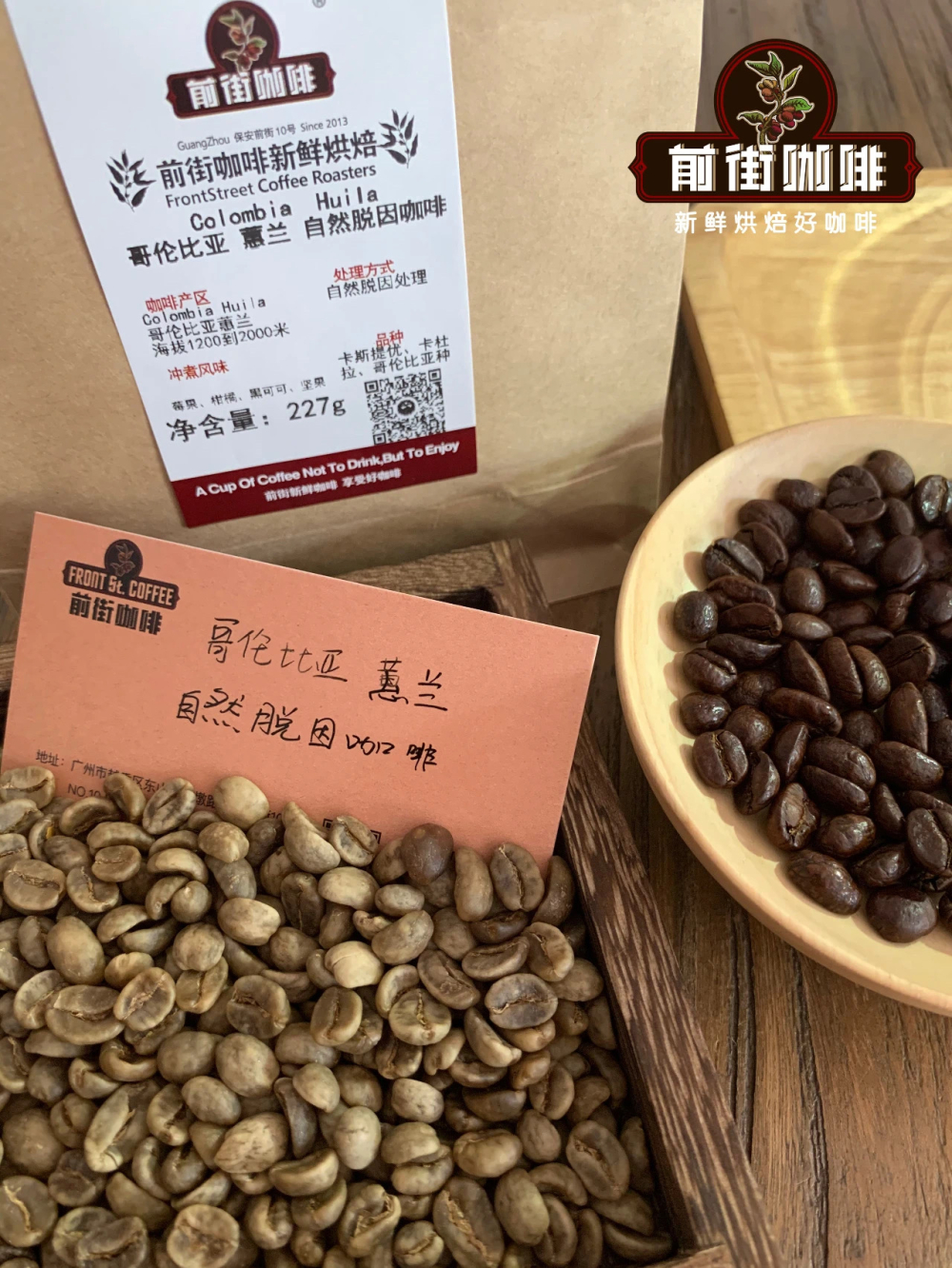
Below are three representative decaf coffee beans with actual information and cupping flavor references:
【Colombia Huila Swiss Water Process】 Grown at an altitude of 1750 meters in the Huila region, the varieties include Typica, Caturra, and Castillo, graded as Supremo. The mineral-rich soil, high altitude, and favorable microclimate create a balanced flavor of nuts, chocolate, and delicate fruit acidity. Cupping notes include black chocolate, caramel, and nutty tones, with a full-bodied mouthfeel.
【Mexico Chiapas Swiss Water Process】 Produced in Chiapas State at altitudes of 900–1500 meters, the varieties include Bourbon, Caturra, Typica, and Clio, graded as HG. The volcanic soil and washed process deliver a smooth mouthfeel and pleasant acidity. Cupping flavors present black chocolate, cream, and citrus, with an overall soft and palatable profile.
【Colombia Huila Natural Decaf Process】 Also from the high-altitude Huila region, the varieties include Castillio, Caturra, and Colombia, using the natural solvent decaf process. Cupping flavors showcase citrus, berries, bright acidity, and nutty aromas, with a finish of black chocolate notes.
Brewing recommendations: Use a Kono filter, water temperature around 88°C, coffee-to-water ratio 1:15, medium grind (75% passing through a Chinese No. 20 sieve). Use a three-stage extraction: bloom for 30 seconds, then pour to 125g, followed by pouring to 225g, with total extraction time around 2 minutes and 30 seconds. This method fully highlights the unique flavor layers of each decaf bean.
The above content is compiled by CoffeeHunters, a coffee news website.


