







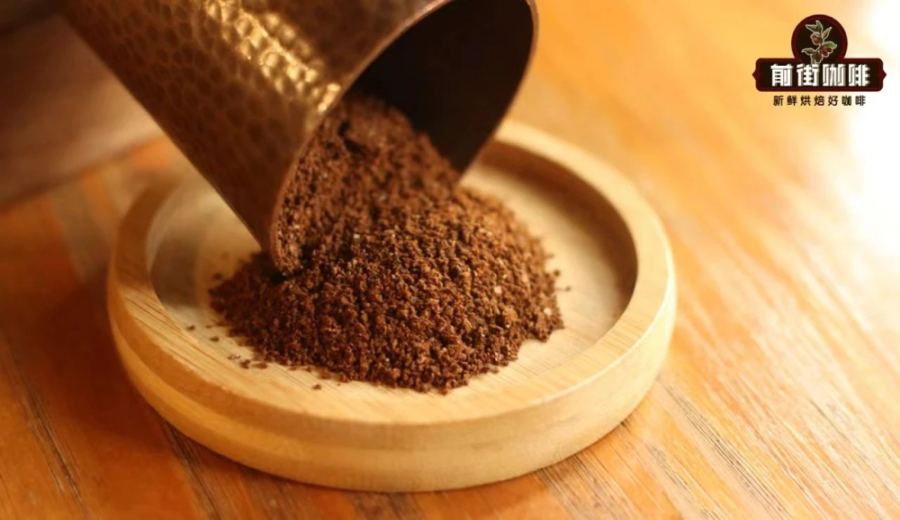
Introduction:The flavor profile of pour over coffee is closely related to water temperature, brew ratio, and grind size. Among these, grind coarseness not only affects the flow rate of water but also directly determines the extraction efficiency of coffee compounds. This article will delve into how to determine the ideal grind size for pour over coffee, help you understand the issues that may arise from grinds that are too fine or too coarse, and introduce a method using standard sieves to accurately assess grind consistency—helping you adjust parameters more scientifically to brew your ideal cup.
In the process of making pour over coffee, there are three key factors that have the greatest impact on the final flavor: water temperature, grind size, and brew ratio. Among them, grind coarseness determines the size and uniformity of coffee particles, which in turn affects how efficiently flavor compounds are extracted as hot water passes through the coffee bed. For coffee beans from different origins, with varying processing methods or roast levels, finding the most suitable grind setting is essential knowledge for any coffee enthusiast. This article will systematically explain how grind size influences extraction and teach you how to use a standard sieve to judge whether your grind is appropriate—giving your pour over routine a more solid foundation.
Grind size, simply put, refers to how fine or coarse the coffee particles are. It not only affects the density of the coffee bed but also determines the speed at which water flows through and the duration of extraction. Experiments show that when the grind is finer, coffee particles are more tightly packed, increasing filter bed resistance, slowing down water flow, lengthening extraction time, and releasing more flavor compounds—resulting in a typically richer-tasting cup. Conversely, if the grind is coarser, the gaps between particles are larger, allowing water to pass through more easily, shortening extraction time, extracting fewer flavor compounds, and producing a relatively lighter-tasting coffee. So, what are the obvious signs of over-extraction or under-extraction during actual brewing when the grind is too fine or too coarse?
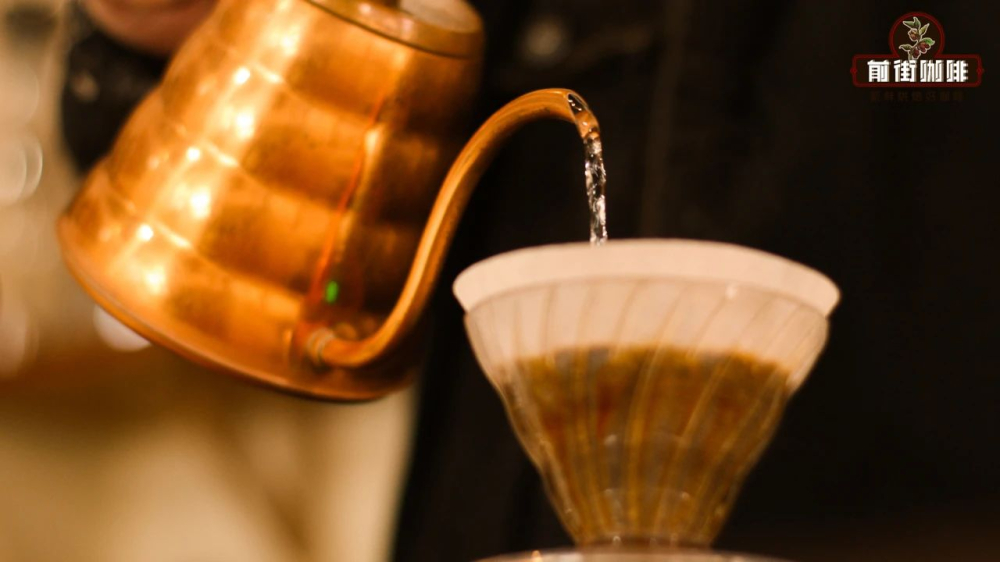
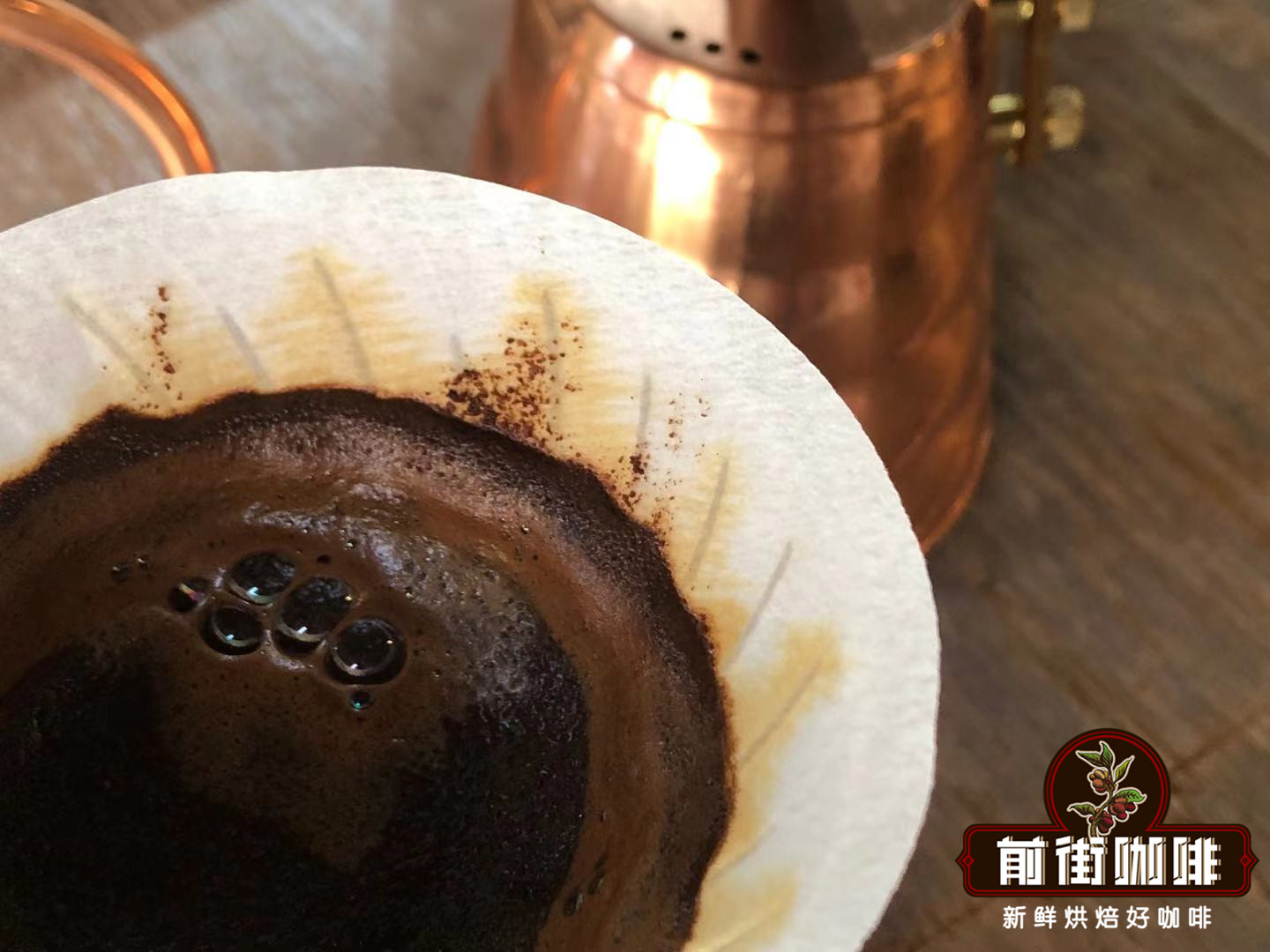
When coffee is ground too fine, the particle size is smaller and the space between particles is reduced, making it difficult for water to pass through smoothly. In this case, coffee grounds tend to form a denser cake on the filter paper, significantly slowing down the dripping speed—it may even take a long time to complete extraction. Observing the coffee bed after brewing, you’ll often find it appears more mushy, with blurred particle edges and individual grains hard to distinguish. This is usually a visual indication of grinding too finely.
On the other hand, if the coffee is ground too coarsely, the particle size is larger and the spacing between particles is wider, allowing hot water to pass through the coffee bed quickly, which greatly shortens the extraction time. In this case, the resulting coffee bed will have clearly visible coffee particles, and you might often notice a loose structure in the bed, or even localized gaps, affecting the overall uniformity of extraction.
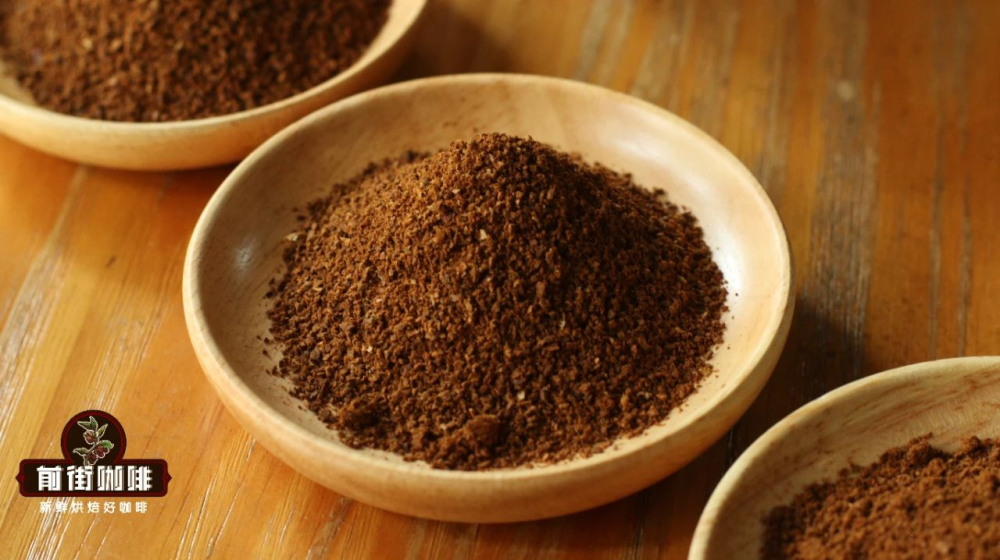
The reason grind size matters is that it directly impacts the surface area of the coffee particles. The finer the coffee is ground, the greater the total surface area, increasing contact with hot water and helping extract more flavor compounds—while also allowing more carbon dioxide in the beans to be released. However, improper grind size, whether too fine or too coarse, can lead to uneven extraction or imbalanced flavors.
In everyday practice, even coffee grounds that appear uniformly ground can still have variations in particle size. Typically, the largest and smallest particles may differ by at least 0.6 millimeters. Generally, we consider particles larger than 0.85 mm as coarse, and those smaller than 0.25 mm as very fine. If these two extreme types of particles make up more than 40% of the total coffee grounds, they may not be suitable for pour over brewing. However, these values may not be easy to judge by eye, so it’s recommended to use a standard test sieve with a 0.85 mm aperture to assist in evaluation.
The method for using a sieve to assess grind size is quite simple: first, weigh about 10 grams of coffee beans and grind them at the grind size you estimate to be suitable; then, pour the ground coffee into the sieve and filter it, making sure to sift until no more coffee powder can pass through. Finally, weigh the coffee powder that has passed through the sieve. If the pass-through rate is between 75% and 80% (meaning 7.5 to 8 grams of the 10-gram sample passes through), this usually indicates a suitable grind size for medium to light roasted coffee beans. If the pass-through rate is between 65% and 70% (about 6.5 to 7 grams of the 10-gram sample), it is more suitable for medium to dark roasted beans. If the actual pass-through rate is outside the ideal range, you can try adjusting the grind slightly coarser; if it falls short of the standard, it’s advisable to make the grind slightly finer until you find the optimal setting for your specific beans.
The above content is compiled by CoffeeHunters, a coffee news website.


