







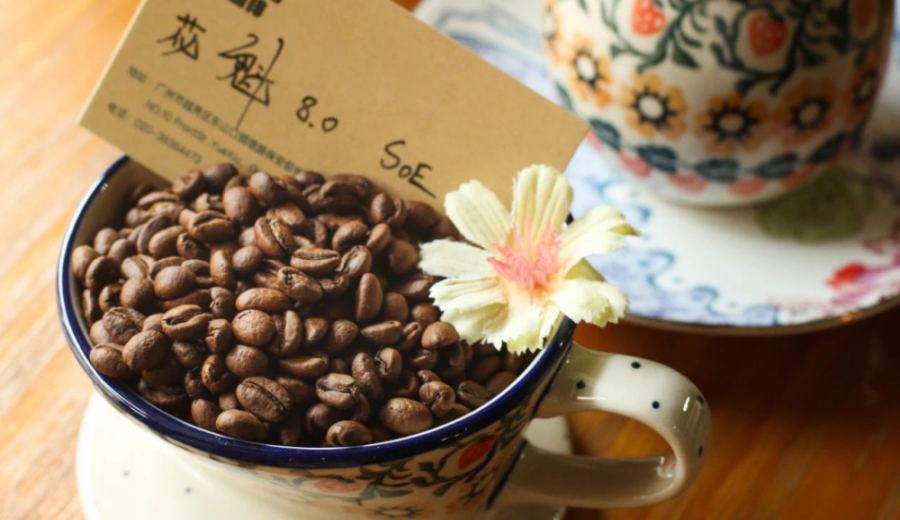
Introduction:SOE espresso has become a popular choice in the specialty coffee scene in recent years, but how does it differ from pour over single-origin beans or blended espresso? This article delves into the definition, characteristics, and challenges of SOE, explores the types of coffee beans suitable for making SOE, and provides practical extraction parameters and brewing tips to help you better understand this espresso style that emphasizes origin flavor.
In the trend of specialty coffee, SOE espresso (Single Origin Espresso, or single-origin espresso) has gradually gained attention. Although it originates from single-origin coffee beans, it is not directly equivalent to specialty coffee. The charm of SOE lies in its ability, through high-pressure extraction by espresso machines, to highlight unique regional flavors — such as bright acidity, clear fruit notes, or even distinctive fermented aromas. However, because it uses beans from only one origin, any flaws or defects in flavor can be more easily magnified. As a result, greater care and precision are required in bean selection, roasting, and grinding.
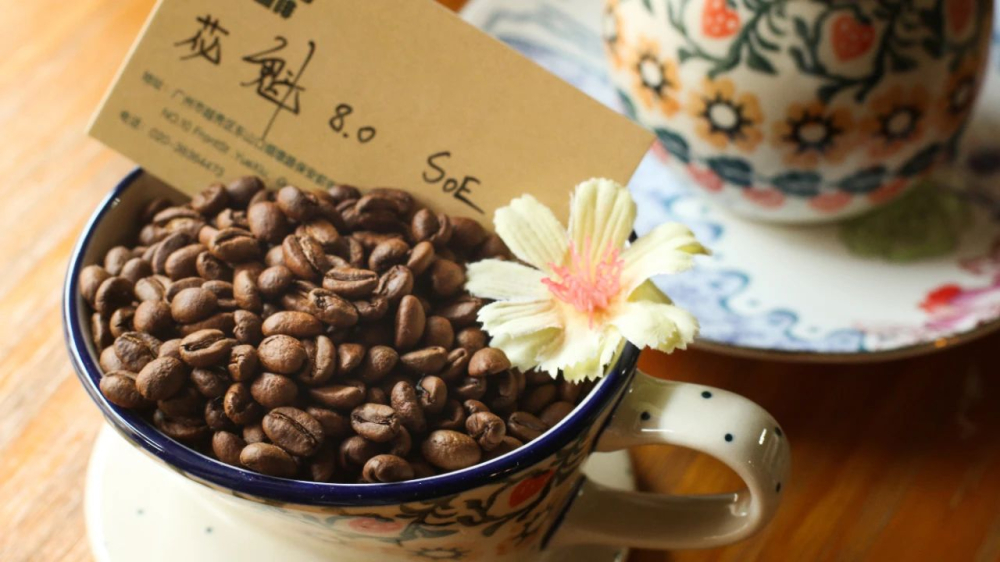
Nowadays, many specialty coffee shops have started offering their own SOE espressos to attract customers interested in exploring diverse flavors. Some customers, when entering a café, will specifically ask if SOE coffee is available. However, some shops opt to continue serving blended espresso instead of single-origin SOE, mainly for the sake of flavor stability. For example, some cafés still use a blend of pour over single-origin beans and beans from other regions to maintain balance and consistency in every cup.
So, what’s the difference between SOE and regular blended espresso? Simply put, blended espresso usually combines beans from different origins, aiming for balanced and stable flavor layers, making it suitable for daily drinking. In contrast, SOE focuses on a single origin, allowing the terroir conditions and processing method characteristics of that region to be more directly expressed in the espresso. Therefore, SOE coffee often has more vivid flavors, but it also requires more refined roasting and extraction control to bring out its potential and avoid excessive acidity or flavor imbalance.
Looking back at the rise of SOE, some industry insiders liken this trend to the shift in the whisky world from blended to single malt. In the past, many people drank coffee much like they would enjoy a well-known brand of blended whisky, focusing on the overall flavor profile. But as the coffee market matures, consumers have begun to pay attention to the origin and unique character of coffee, much like how one appreciates the distinct personality of single malt whisky. This shift has made SOE another window for specialty coffee enthusiasts to explore regional flavors.
Some people mistakenly believe that any pour over single-origin bean can be used to make espresso and thus become an SOE, but it's not that simple. SOE espresso requires not just single-origin beans, but also consideration of how well the bean variety adapts to high-pressure extraction. Compared to blends, SOE emphasizes the expression of unique flavor personality, so the beans chosen must have a distinct flavor profile and rich layers. Using beans with bland or poorly expressed flavors may result in an espresso that lacks character and misses out on the balancing advantages of blends — ultimately doing more harm than good.
In terms of roasting, the roast level of SOE needs to be just right. Over-roasting can erase the origin’s unique flavors, leaving only burnt and charred notes. Under-roasting, on the other hand, may make the acidity too sharp and more pronounced under high pressure, leading to an unbalanced taste. Additionally, lighter roasted beans are usually harder in texture, which can also lead to under-extraction. Therefore, the same coffee bean, if intended for both pour over and SOE brewing methods, should have its roast curve adjusted to suit the different brewing environments.
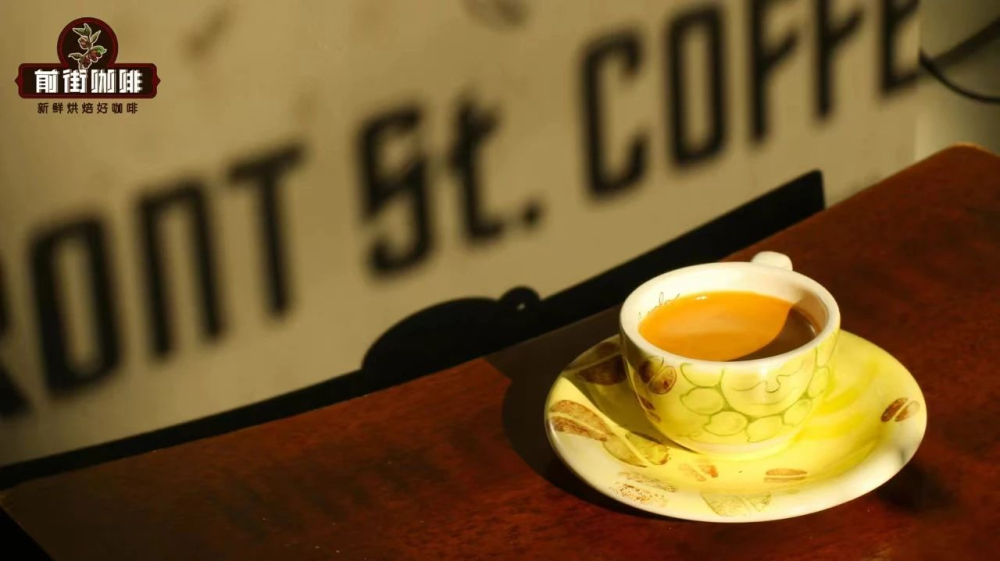
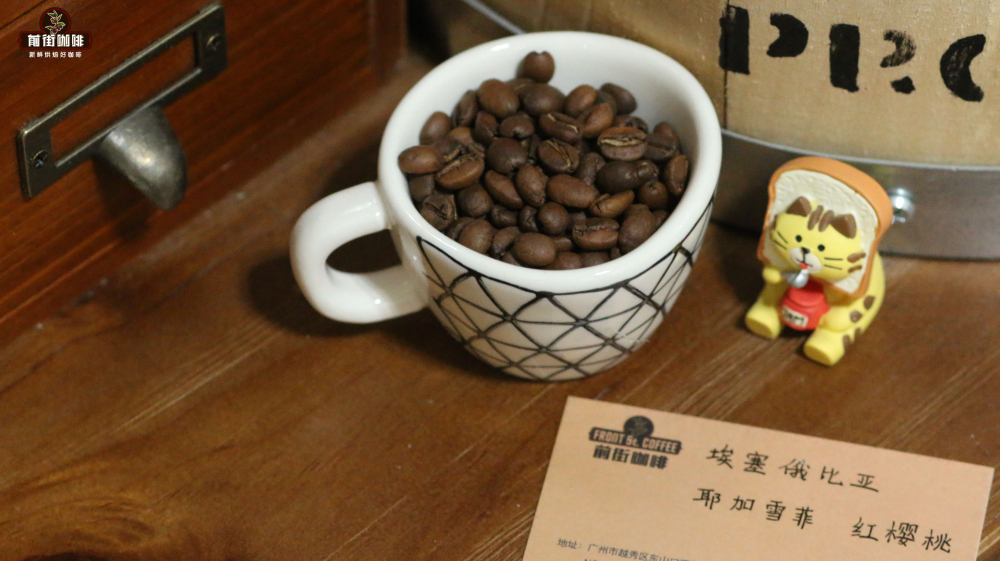
Which coffee beans are suitable for making SOE? Taking common market choices as examples, if you prefer a fresh, sweet profile with fruity notes, you might consider coffee beans from Yirgacheffe processed with natural sun-drying methods. These beans typically exhibit prominent citrus, berry, and floral notes, along with bright acidity and good body. Another common option is coffee that has undergone special fermentation processes, such as beans fermented in sherry wine barrels. These can bring out rich wine-like aromas, creamy textures, and dark chocolate tones, making them ideal for those who enjoy bold flavors.
When actually brewing SOE, many amateur enthusiasts who try it at home often encounter issues such as unstable extraction, overly strong acidity, or intense channeling. These problems often aren’t due to equipment, but rather because the selected beans are not suitable for high-pressure extraction, or the roast curve hasn’t been optimized for espresso. To successfully brew a well-balanced SOE, in addition to the beans themselves, key parameters such as grind size, dose, yield, and extraction time must be carefully managed to best showcase the origin’s characteristics.
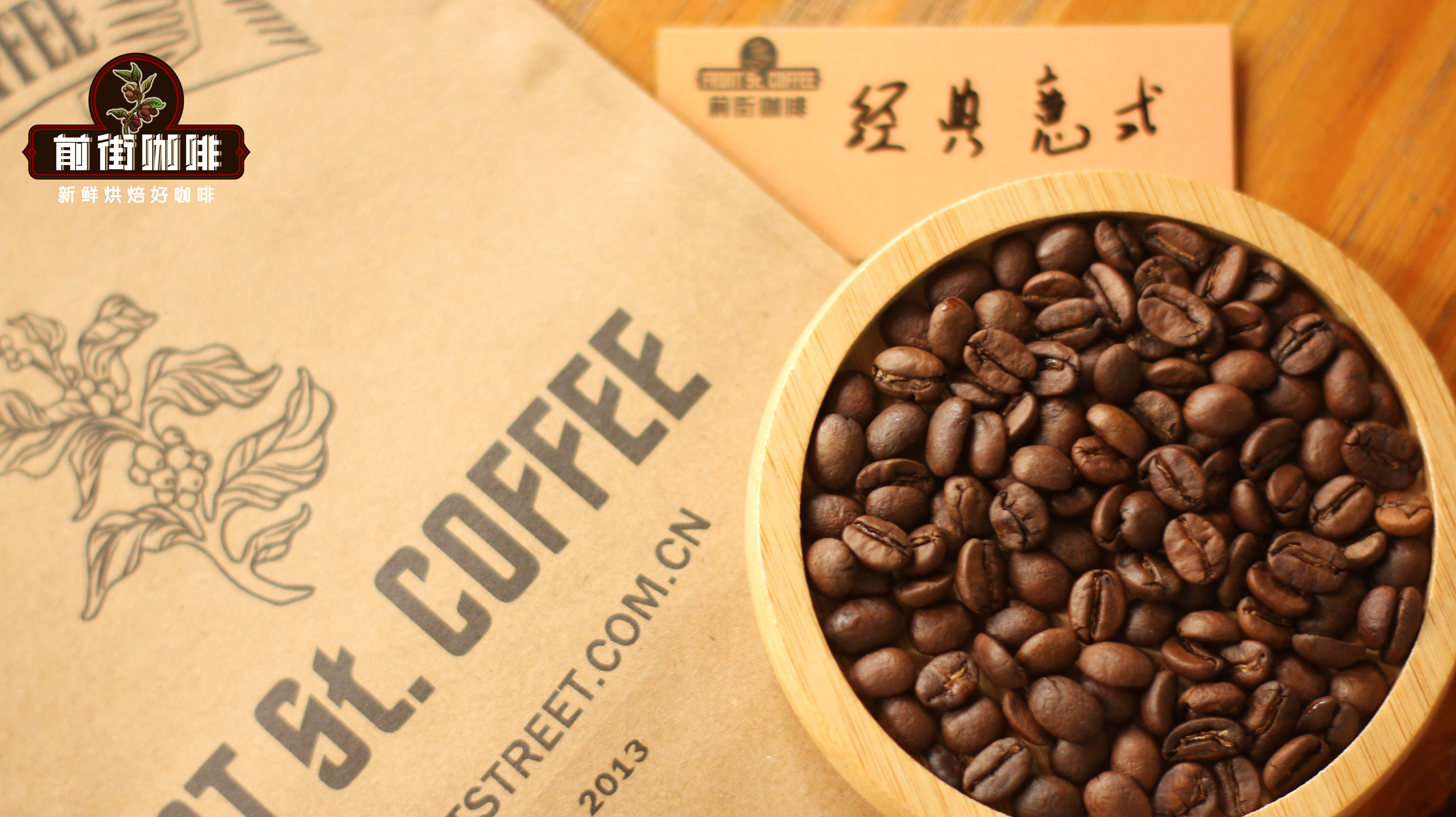
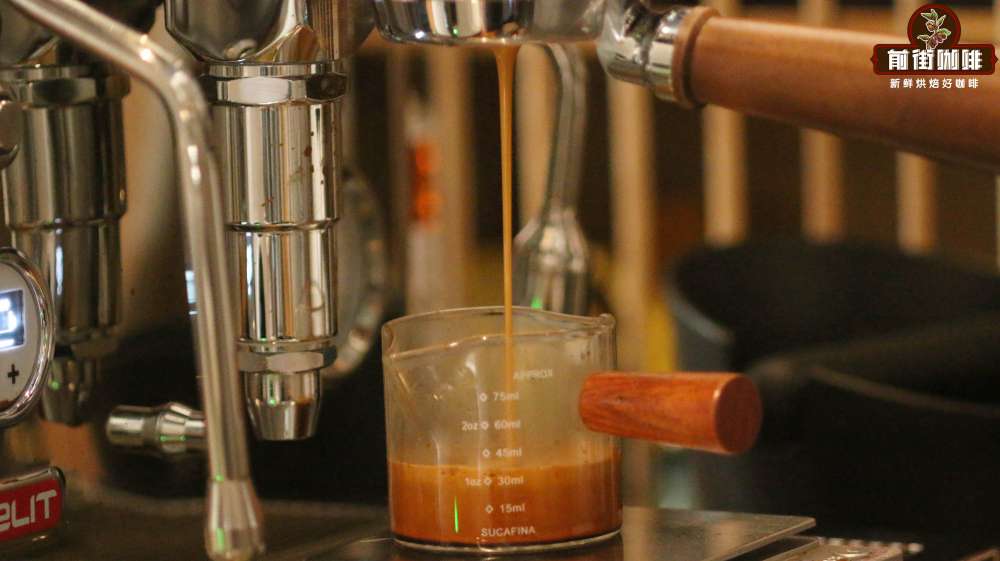
Generally recommended SOE espresso extraction parameters can be referenced from the following practical example: using a double basket, with a dose of about 20 grams, aiming to extract 40 grams of coffee liquid, achieving a brew ratio of approximately 1:2, with total extraction time controlled between 26 to 33 seconds. Grind fineness can be slightly adjusted based on the grinder used — for example, when using a Galileo grinder, a setting of around 2.0 can be used to achieve moderate flow rate and extraction pressure. Before extraction, it’s recommended to dry the portafilter, distribute the grounds evenly, then tamp the puck firmly to ensure a stable extraction process. Begin extraction by pouring a small amount of water to wet the coffee bed, then proceed with the full extraction, while observing total time and liquid weight to determine whether the extraction falls within the ideal range.
Once you’re familiar with basic extraction, you can also experiment with using SOE espresso in various coffee drinks. For example, adding an appropriate amount of cold or hot water can create a flavorful SOE Americano; paired with steamed milk, it can produce a rich and layered SOE latte. Mastering these techniques allows you to fully experience the unique charm of single-origin espresso, whether at home or in a café.
The above content is compiled by CoffeeHunters, a coffee news website.


