







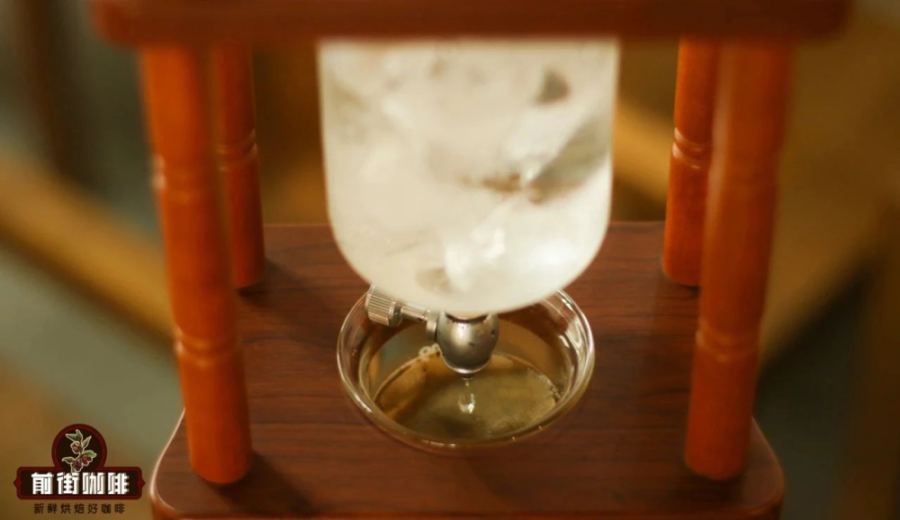
Introduction:With its smooth mouthfeel and clear layers of flavor, cold drip coffee has become the go-to choice for many coffee enthusiasts during the summer. This article delves into the definition and core characteristics of cold drip coffee, and from a professional perspective explores the selection of suitable coffee beans, equipment pairings, and extraction parameters to help readers master the key techniques of low-temperature extraction, thereby improving the success rate and flavor expression of home brewing.
Cold drip coffee has won the favor of many coffee lovers thanks to its unique smooth texture, clear layers, and refreshing flavor. This coffee, extracted through a slow drip at low temperatures, is not only highly popular in the summer but also sees many customers placing orders based on their personal preferences even in the winter. The reasons for its popularity include the use of freshly roasted coffee beans, as well as the fact that low-temperature extraction and subsequent oxidation allow flavor molecules to be fully released, showcasing the intrinsic characteristics of the beans.
As the name suggests, cold drip coffee involves extraction using “low temperature” and “slow dripping.” Temperature directly affects the decomposition rate of oils, acids, and sugars in coffee, thereby altering aroma, taste, and texture. Compared to traditional hot water rapid extraction, cold drip coffee replaces heat with time—using ice water below 5°C to slowly drip onto ground coffee, gradually extracting flavors to form the final brew. The entire extraction process typically takes 2 to 8 hours, which can be adjusted according to personal preference and the type of coffee bean used.
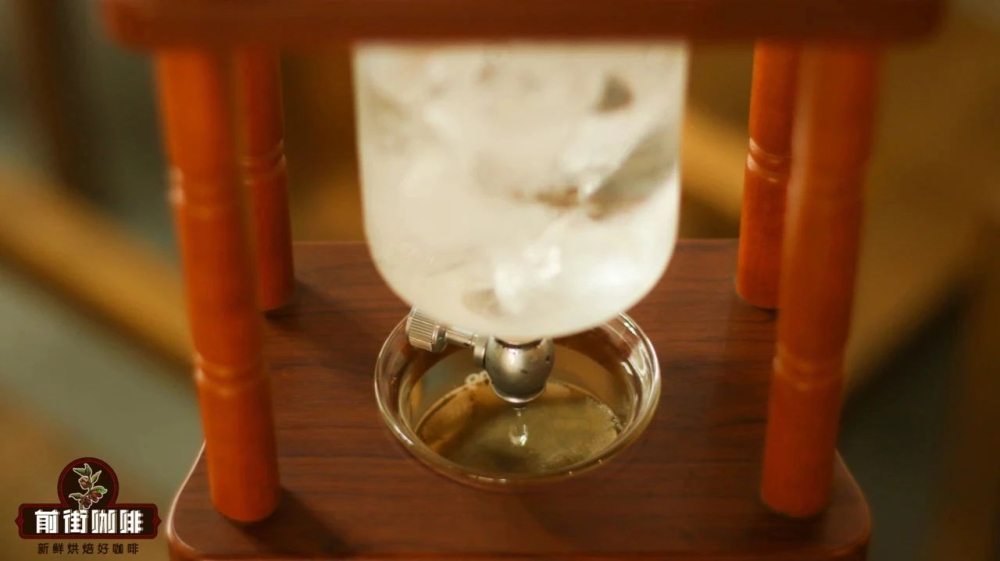
The principle behind low-temperature extraction lies in the prolonged contact between water and coffee grounds, yet only smaller flavor molecules—such as floral and fruity notes—are effectively extracted, while larger molecules like smoky or roasted flavors are more difficult to release. Precisely because of this, cold drip coffee better presents the inherent flavor characteristics of the beans, offering a smooth mouthfeel with distinct layers and a pronounced aftertaste.
The flavor of cold drip coffee is generally sweeter. This is because during the extraction process, aromatic molecules are released first, while bitter and astringent molecules require longer time and higher temperatures to dissolve. When brewed with hot water, improper control of temperature and time can easily lead to the extraction of excessive bitter substances, negatively affecting the overall flavor. In contrast, cold drip coffee uses cold water for prolonged extraction, dissolving only pleasant aroma molecules, resulting in a richly aromatic and smooth taste that showcases the most original flavor of the coffee—another key reason for its widespread popularity.
Additionally, cold drip coffee has better shelf stability. Typically, coffee brewed with hot water undergoes molecular structural changes due to the heating process, making it prone to rapid spoilage, often experiencing a noticeable decline in flavor after just 45 minutes. In comparison, cold drip coffee is not heated, allowing it to be stored in the refrigerator for up to two weeks. During storage, the coffee continues to undergo slight fermentation, further enriching its flavor layers. However, for optimal flavor, it is recommended to refrigerate the brewed cold drip coffee for 12 to 24 hours before consumption, as this allows the flavors to integrate more fully. Although some believe that cold drip coffee becomes even more mellow and smooth after a week, considering potential bacterial issues from air or containers, it is best consumed within 72 hours.
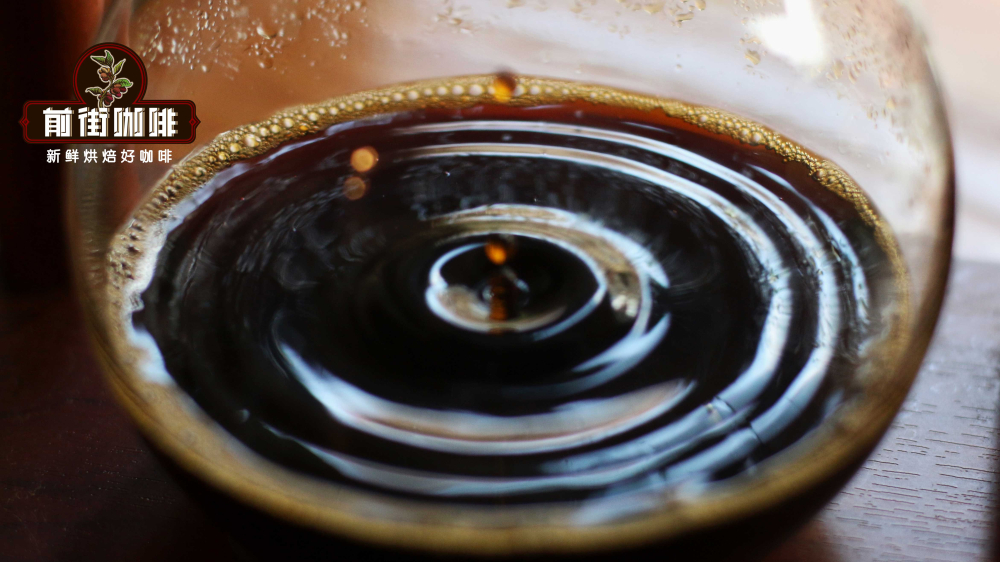
Furthermore, cold drip coffee is relatively gentle on the stomach, which is another reason for its popularity. Many individuals with sensitive stomachs find regular coffee too harsh, whereas cold drip coffee, due to the low-temperature extraction process that leaves many irritating compounds unextracted and contains lower caffeine content at the same concentration, is considered a healthier option.
So why is it recommended to refrigerate cold drip coffee for 12 to 24 hours after extraction before drinking? This is actually an oxidation process. Freshly roasted coffee beans contain about 2% carbon dioxide, which is gradually released during storage, helping aromatic substances and oils integrate and making internal coffee aromas easier to extract. Cold drip coffee also undergoes a similar oxidation reaction during refrigeration, further enhancing flavor harmony.
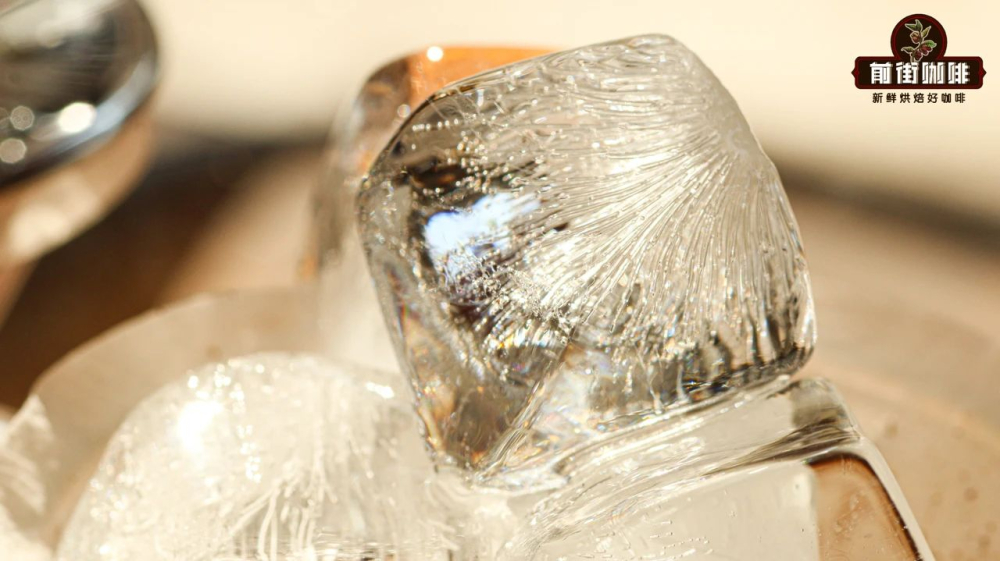
As for what kind of coffee beans to choose for cold drip coffee, there are no absolute restrictions—you can select beans with prominent flavors based on personal preference. Generally speaking, medium to light roasted beans better highlight the refreshing qualities of cold drip coffee. For example, beans from Ethiopia often feature bright citrus acidity and a refreshing taste; Panamanian beans are known for their floral notes; Costa Rican beans commonly exhibit notable fermentation characteristics. These flavor traits are more easily expressed under low-temperature extraction.
Taking practical production as an example, a coffee bean from Ethiopia’s Alo village, sun-dried, is highly suitable for cold drip preparation due to its rich fruit acidity and fermentation characteristics. These beans are grown in the Sidamo Bensa region, at altitudes between 1950 and 2350 meters, using local heirloom varieties, processed via sun-drying, classified as G1 grade, and offer complex flavor layers—ideal for cold drip enthusiasts seeking fruity notes and depth.
Regarding equipment and parameters, a general recommendation is a coffee-to-water ratio of 1:10—that is, 60 grams of coffee grounds to extract 600 milliliters of coffee liquid. When filling the coffee grounds, you can first place a round filter paper at the bottom of the powder chamber, wet it with water to adhere to the cup walls, then add the ground coffee (it is recommended to use a Chinese Standard No. 20 sieve, with about 58% passing rate, a grind size slightly coarser than pour over). Next, gently level the surface of the coffee grounds or lightly press with a tamper to ensure an even bed. To allow for even water distribution, you can also place another filter paper on top of the coffee layer to prevent the powder bed from collapsing due to prolonged dripping.
Before extraction, you can use ice water for pre-soaking to evenly wet the entire coffee layer, similar to the blooming step in pour over brewing, which helps improve overall extraction efficiency and flavor consistency. During the actual extraction, pour a mixture of ice water and water into the water bottle, and adjust the drip rate to approximately 7 drops per 10 seconds to maintain a stable extraction rhythm. After completion, it is recommended to pour the coffee liquid into a sealed glass bottle, place it in the refrigerator overnight to allow the flavors to further integrate, thereby enhancing the smoothness and drinking experience.
The above content is compiled by CoffeeHunters, a coffee news website.


