







Introduction:Have you ever been puzzled by the "100% Arabica" label? This article will take you on an in-depth journey to explore the origins, variety characteristics, and globally renowned types of Arabica coffee beans. From flavor profiles to suitable brewing methods, it will help you choose and appreciate your own unique coffee flavor more precisely.
When it comes to "100% Arabica," many coffee enthusiasts are no strangers to the term, but the meaning behind it may be richer than you think. Arabica is not the name of a specific country, but rather the most popular and flavorfully delicate coffee variety in the world. Its caffeine content ranges between 0.8% and 1.5%, which is lower compared to other varieties, resulting in a smoother taste and making it the mainstream base of specialty coffee. Currently, Arabica accounts for about 75% of the world's total coffee production, primarily grown in high-altitude regions of Central and South America, Africa, and Asia.
However, Arabica is not without its flaws. It is extremely picky about its growing environment, preferring cool and high-altitude climates, and is intolerant to frost and drought. It is also susceptible to pests and diseases such as leaf rust. For this reason, many farmers are gradually turning to more disease-resistant varieties, such as Caturra and Catuai. It’s worth mentioning that classic specialty coffee beans like Typica and Bourbon are actually sub-varieties evolved from Arabica, each with its own unique flavor characteristics and adaptability.
So, where does the name "Arabica" come from? This takes us back to the historical origins of coffee. It is generally believed that coffee originated in Africa, where local tribes had the habit of chewing coffee leaves to stay alert. Later, Arab scholars began studying the roasting of coffee seeds and turned them into a beverage, gradually replacing alcohol, which was prohibited by religion at the time. As coffee quickly became widespread in the Arab world and even became an important element of social interaction and spiritual practice, these beans from Arabia came to be known as "Arabica," which is what we now commonly refer to as Arabica.
With the expansion of trade and colonial activities, coffee spread from the Arab world to Europe, and then to the Americas and Asia. As a result, the Western world commonly refers to these beans originating from Arabia as Arabica, a term that has been used to this day. Nowadays, when we see "100% Arabica" on a package, it not only indicates that the beans come from a premium variety, but it also often promises a richer flavor profile and a better tasting experience.
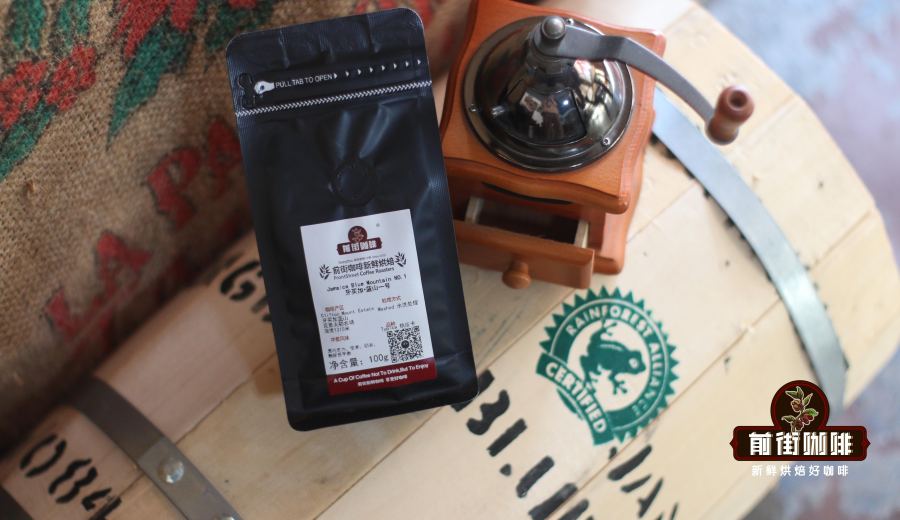
Among the many Arabica sub-varieties, Typica is one of the oldest and most representative. It originated in Ethiopia and can be considered the "ancestor" of most current Arabica varieties. Typica is renowned for its elegant flavor, often featuring bright acidity and delicate sweetness. However, its plants are relatively fragile, with low resistance to disease, especially susceptibility to leaf rust, and it also has a low yield. Despite this, some high-altitude regions like Jamaica Blue Mountain still insist on planting Typica, resulting in the world-renowned exceptional flavor.
Another classic variety is Bourbon, which evolved from Typica and was first discovered on the island of Bourbon in the Indian Ocean. The green fruit of Bourbon turns bright red upon ripening. Compared to Typica, it has wider leaves and denser growth. Although its harvest cycle is also two years, its yield is slightly higher and its flavor profile is richer. Bourbon is often characterized by wine-like acidity and intense sweetness, serving as the foundation for many specialty coffees in Central and South America and Africa.
Caturra is a single-gene mutation of Bourbon, discovered in Brazil in 1937. Its most notable feature is its shorter tree height, which makes harvesting easier. It has higher productivity and better disease resistance than Bourbon, making it suitable for high-density planting. However, like Bourbon, Caturra also experiences biennial yield fluctuations and requires sufficient nutrients and management; otherwise, its flavor performance may decline. Its flavor profile is similar to Bourbon, but with brighter acidity, and it is commonly found in specialty coffees from Central and South America.
As for Catuai, it is a hybrid of Mundo Novo and Caturra, combining wind and rain resistance with the benefit of firm, less easily dropped fruit—making it highly suitable for regions with variable climates. Although Catuai’s flavor profile is not as delicate as Caturra or Bourbon, it boasts high stability and strong adaptability, making it a practical choice for many farmers. However, its fruit has a shorter lifespan, typically around ten years, which is another factor to consider.
In summary, understanding Arabica and its derivative varieties not only helps you delve deeper into the diverse flavors of coffee but also enables you to make more suitable choices when selecting coffee beans. Whether you’re a pour over enthusiast or have a deeper interest in extraction parameters and flavor profiles, mastering this basic knowledge can enrich and refine your coffee experience.
The above content is compiled by CoffeeHunters, a coffee news website.


