








Introduction:As summer heat intensifies, iced coffee becomes the go-to choice for many seeking a refreshing pick-me-up. However, although cold brew, ice drip, Japanese-style iced pour over, and cold steeped coffee all fall under the category of cold coffee, their actual brewing principles and flavor profiles differ significantly. This article uses a Kenyan “little tomato” single-origin bean as an example to deeply compare the extraction methods, key parameter settings, and flavor characteristics of these common types of iced coffee. It also provides detailed tutorials on making cold brew and ice drip, helping you find the iced coffee that best suits your taste.
As summer arrives, many coffee enthusiasts turn to iced coffee for its cool and refreshing taste. However, the commonly seen iced coffees on the market can be divided into several forms such as cold brew, ice drip, Japanese-style iced pour over, and cold steeped coffee. Though they may look similar in appearance, their brewing methods and final flavor presentations each have their own unique nuances. Below, using a well-known Kenyan bean with a “little tomato” flavor profile as an example, we’ll take you on a deep dive into the similarities and differences of these iced coffees.
The Fundamental Differences Between Cold Brew and Ice Drip
First, when most people hear the term “iced coffee,” they might think of hot-brewed coffee poured over ice to cool it down. However, true cold brew refers to an extraction process that takes place entirely in a low-temperature environment, where coffee grounds are soaked in cold water for an extended period to slowly extract flavor compounds. In contrast, ice drip involves extremely slow dripping of iced water through coffee grounds drop by drop, taking even longer—usually 6 to 8 hours—and involves no high-temperature treatment whatsoever.
Traditional hot-brewed coffee, even when served chilled, can often lead to sharp acidity or astringency, especially once the coffee has completely cooled, often resulting in a significant loss of flavor. On the other hand, Japanese-style iced pour over still uses hot water for extraction, but by adjusting the coffee-to-water ratio and grind size, it can preserve more of the early-stage fruity and floral notes along with acidity, making it ideal for those who prefer a fresher flavor profile.

Introduction to the Kenyan “Little Tomato” Bean and Hot Pour Over Parameters
The Kenyan “little tomato” coffee beans used for demonstration in this article are from the Thika region, processed by the Asali Honey Processing Factory, grown at an altitude between 1550 and 1750 meters, and of the SL28 and SL34 varieties, using the K72 washed processing method. This bean exhibits bright acidity and rich fruity aromas when roasted to a light to medium level, making it highly suitable for various types of iced coffee preparation.
A certain coffee brand, when performing hot pour over, uses a Hario V60 #01 filter, with 15 grams of coffee, a water temperature of 92°C, and a coffee-to-water ratio of 1:15. The grind size is approximately equivalent to 80% passing through a Chinese No. 20 sieve. The specific method is as follows: first, a 30-gram bloom for 30 seconds, then pouring with a small stream in circular motions. When the water volume reaches 125 grams, the first pour is done; after the water level drops, it is followed up to 225 grams to finish. The total extraction time is about 2 minutes. Under these parameters, the bean shows a sweet and sour profile reminiscent of cherry tomatoes and dark plums, with noticeable sweetness in the mid-palate and an aftertaste carrying berry and brown sugar aromas, along with a hint of green tea note.
It’s worth noting that if hot-brewed coffee is not consumed immediately, the acidity and astringency can become more pronounced as it cools, negatively affecting the overall flavor. For Japanese-style iced pour over, it’s recommended to drink it before the ice has completely melted, otherwise the coffee can become diluted and the flavor weakened.
Adjusting Techniques for Japanese-Style Iced Pour Over
The process of Japanese-style iced pour over is similar to traditional hot pour over, but the key lies in adjusting the coffee-to-water ratio and grind size. It’s generally recommended to set the ratio to 1:10 and use a finer grind than usual to enhance extraction efficiency, compensating for the reduced extraction rate caused by the lower temperature. This method primarily extracts the fruity acids and floral notes from the early to mid-stage, with fewer later-stage compounds being released, resulting in an overall fresher flavor that’s ideal for those who enjoy a sweet and sour profile.
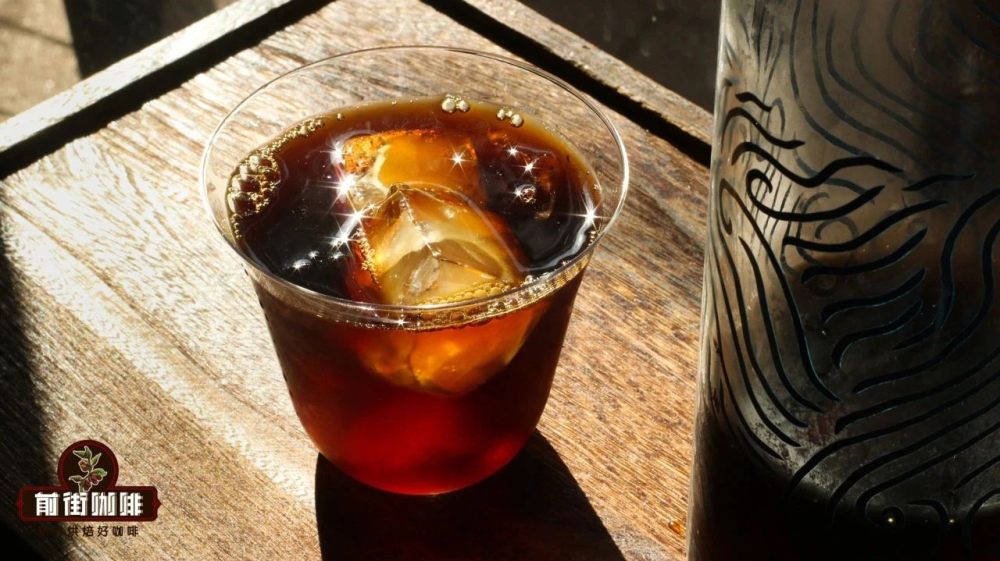
Cold Brew Coffee: A Rich Choice from Long-Term Low-Temperature Soaking
Also known as ice-brewed coffee, cold brew is similar to cold-brewed tea. It involves mixing a large amount of coffee grounds with cold water and letting it sit in the refrigerator for 8 to 12 hours, allowing the coffee to slowly release its flavors in a low-temperature environment. This method effectively reduces acidity while amplifying sweetness and fruity notes, usually resulting in a cleaner and smoother flavor. Many cold brew enthusiasts like to add an equal amount of coconut water to introduce additional layers of complexity.
In practice, a certain coffee brand recommends using 50 grams of coffee grounds, combined with 400 milliliters of room-temperature cold water and 200 grams of hard ice (totaling about 600 grams, considering the coffee grounds’ water absorption rate of about 2 times), stirring well and sealing it in the refrigerator for 24 hours. After extraction, the coffee grounds are filtered out with filter paper, and the coffee liquid is then poured into a sealed bottle. It’s suggested to let it rest for 32 hours to allow the flavors to mature. Generally, cold brew coffee tastes best when consumed 1 to 3 days after refrigeration and can be stored for about 5 days. Some drinkers prefer to taste it after an overnight rest (around 24 to 36 hours), when the coffee liquid has fully matured and developed a richer layering.
The flavor of cold brew typically carries subtle fermented notes, with a taste that presents sweet and sour fruit flavors like cherry tomatoes, plums, and pineapple, and an aftertaste that emits honey and brown sugar sweetness, offering a refreshing and pleasant mouthfeel overall.

Ice Drip Coffee: Intense Flavor Through Extremely Slow Extraction
Ice drip coffee is made by slowly dripping iced water through coffee grounds drop by drop, with the entire process usually taking 6 to 8 hours. Since it involves no high temperatures and the flow rate is extremely slow, it greatly reduces the release of bitter substances and concentrates the extraction of small-molecule flavor compounds such as fruity acids, floral notes, and sweetness. Larger molecules responsible for smoky or roasted flavors are harder to extract. As a result, ice drip coffee usually offers a smoother mouthfeel, intense aroma, and outstanding sweetness.
In practice, it’s recommended to use 60 grams of coffee grounds with a target yield of 600 milliliters of coffee liquid, maintaining a coffee-to-water ratio of 1:10. The grind size can be slightly finer than for pour over, testing at about 85% passing through a No. 20 sieve. Use a mix of ice and water at a 1:1 ratio, and control the dripping speed to about 7 drops per 10 seconds. The entire extraction process requires 6 to 8 hours, and it’s advised to refrigerate the coffee liquid for 12 hours after completion to stabilize the flavors. However, it’s best to consume ice drip coffee within 3 to 4 days to avoid flavor fading over time.
The flavor profile of ice drip coffee is characterized by an intense fruity juiciness, with a prominent tartness of cherry tomatoes upon entry, possibly accompanied by a refreshing slight bitterness akin to grapefruit peel in the mid-palate, and an aftertaste that blooms with berry and caramel sweetness.

In summary, whether you’re pursuing the crisp low-acidity of cold brew, the refined slow drip of ice drip, or the fresh fruity tones of Japanese-style iced pour over, each method has its own unique charm. Choosing the right coffee beans and brewing method allows you to enjoy the most flavorful iced coffee tailored to your taste during the hot summer months.
The above content is compiled by CoffeeHunters, a coffee news website.


