







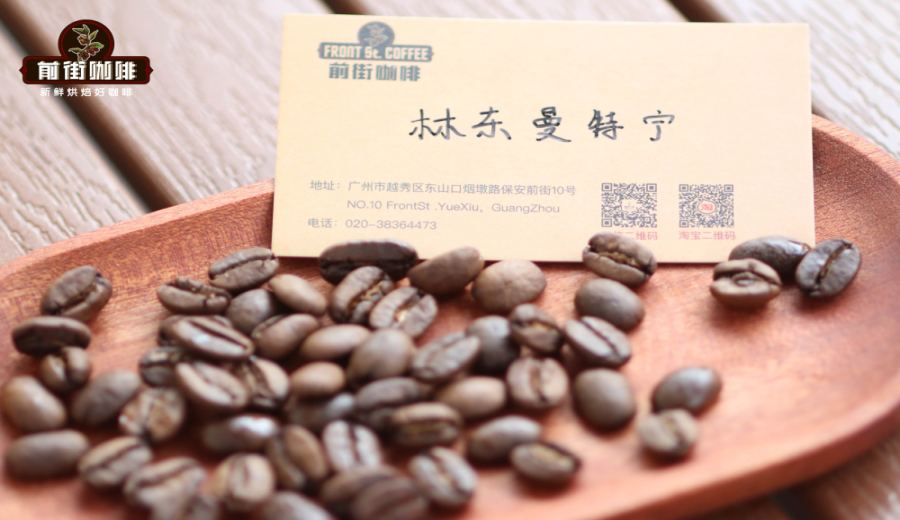
Introduction:To fully showcase the rich and full-bodied characteristics of Indonesian Mandheling coffee, every detail during pour over brewing is crucial. This article will detail the grind size, water temperature settings, coffee-to-water ratio, and filter choice suitable for Mandheling from the North Sumatra region. It will also enhance its herbal, nutty, and caramel layers through a three-stage pouring technique, helping you consistently brew a representative thick mouthfeel with a sweet aftertaste.
Indonesian Mandheling coffee has long been known for its intense and full-bodied taste, serving as a classic representative among dark roasted beans. Even as the trend of light roasting rises, these dark roasted Mandhelings still maintain a solid fan base, especially those from North Sumatra, which deliver a mature and robust drinking experience with their unique herbal, nutty, dark chocolate, and caramel bitterness. However, if the parameters during pour over are not properly controlled, it’s easy to render the originally rich flavors thin and weak. The following will explain how to steadily extract the mellow aroma and caramel sweetness of Mandheling coffee, step by step, from grind fineness, water temperature control, coffee-to-water ratio, filter selection, to the three-stage pouring technique.
Mandheling from North Sumatra is mainly cultivated in two well-known regions: the Lake Toba area near Lidong, and the Gayo mountain area by Lake Tawar in Aceh Province. Among them, the Mandheling produced in the Gayo mountain area is particularly distinctive, making it a classic choice often recommended by many coffee shops or brands for those who prefer a full-bodied taste. However, even though this bean naturally boasts intense flavors, failure to master the appropriate brewing conditions can still significantly diminish its overall performance.
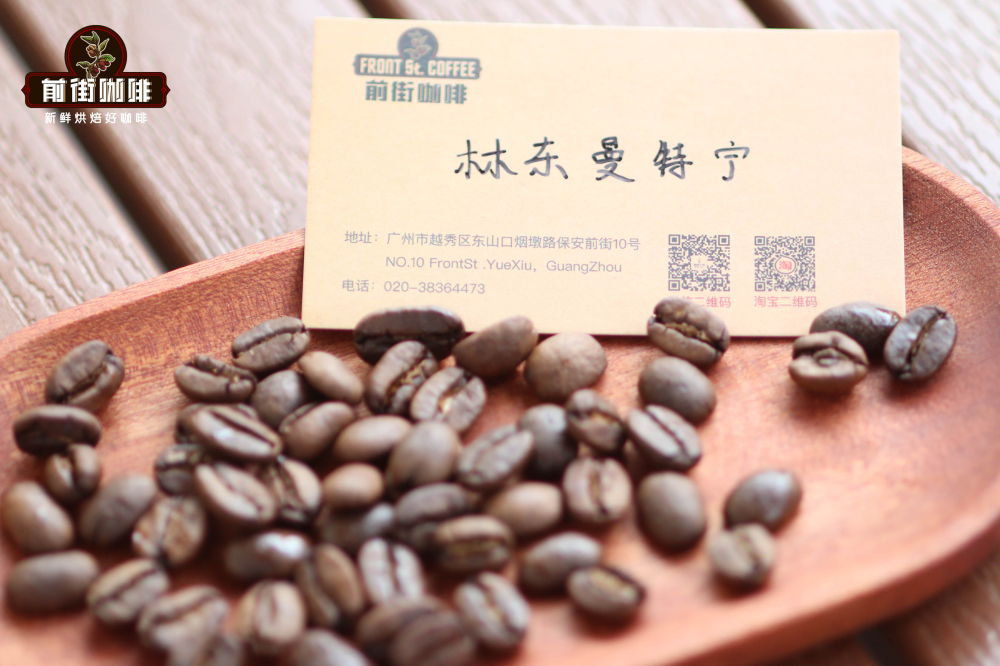
Among the many factors that influence the flavor of pour over coffee, grind size is arguably the most critical. Many people brewing at home often encounter issues such as uneven extraction or insufficient flavor, which usually stem from using the wrong grind fineness. Since Mandheling is typically dark roasted, its bean structure is relatively loose, absorbs water faster, and releases coffee substances more easily. Therefore, it is recommended to use a relatively coarser grind setting. Based on the common #20 sieve, the ideal passing rate for Mandheling is about 70%, which is coarser than the 80% commonly used for lighter roasted beans, effectively preventing over-extraction that leads to bitterness.
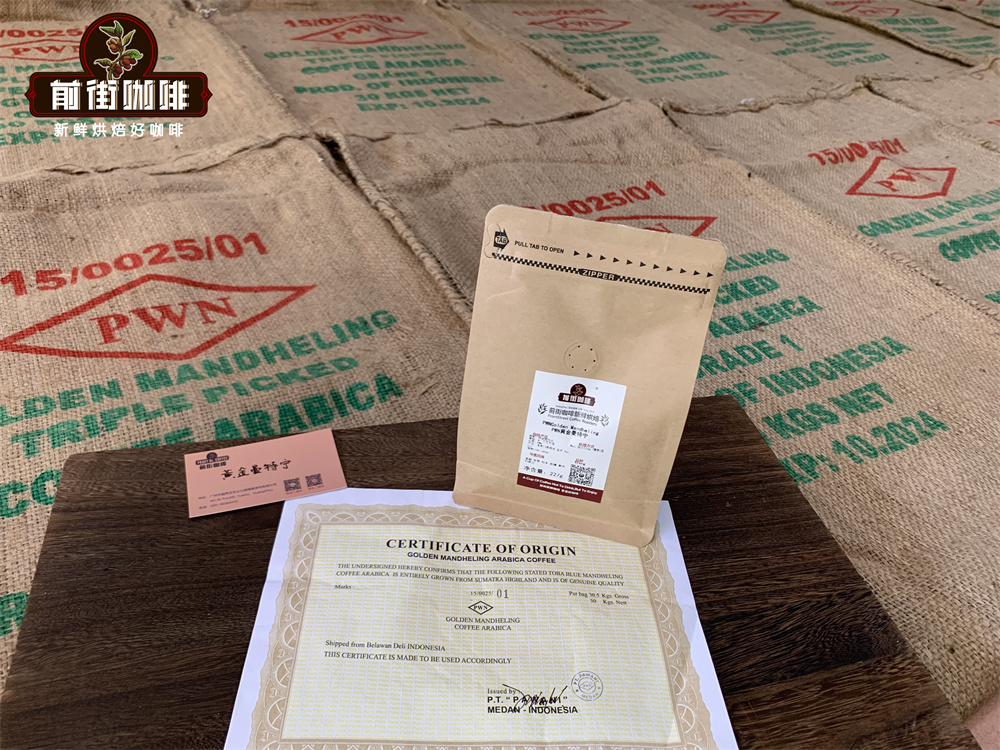
The coffee-to-water ratio is also an important parameter that determines the strength of the taste. For the characteristics of Mandheling, it is recommended to use a 1:15 ratio, meaning 1 gram of coffee grounds to 15 milliliters of water. Although some brewers prefer a higher concentration such as 1:13 or even smaller ratios, overly high concentrations can instead bring about an uncomfortable taste and may not truly highlight the strengths of Mandheling’s richness. A 1:15 ratio steadily releases the flavors while also ensuring overall drinkability, making it a suitable choice to showcase its nutty and caramel notes.
As for brewing water temperature, it is recommended to keep the water between 86 to 88 degrees Celsius. If the temperature is too high, it can easily extract impurities or over-extracted substances from dark roasted beans, resulting in burnt or bitter flavors. Conversely, if the temperature is too low, it may fail to fully bring out the unique richness and sweetness of Mandheling. Maintaining this temperature range helps balance the release of its herbal, nutty, and dark chocolate layers, making the overall flavor more rounded.
The choice of filter also affects the final taste profile. It is recommended to choose designs such as the Kono filter, which features a special structure. The ribs of the Kono filter extend from the bottom to the middle, while the upper part has smooth filter walls. When the filter paper is attached, it reduces the chance of water flowing around the coffee bed, thereby enhancing extraction concentration and body. This design is particularly suitable for medium to dark roasted Mandheling, helping to intensify its full body and caramel sweetness. Additionally, cake filters or fan-shaped filters are also good choices for enhancing a rich flavor.
Finally, the pouring technique during pour over is extremely important. It is recommended to use the three-stage pouring method, which helps gradually bring out the multiple layers of Mandheling’s flavor, while enhancing its caramel sweetness and chocolate notes. Specifically, it can be divided into three stages: first is the blooming stage, where about 30 milliliters of water is poured to evenly wet all the coffee grounds and initiate degassing; then the second stage involves pouring 100 milliliters of water, mainly responsible for extracting the main flavors; and finally, the third stage pours another 95 milliliters, which helps boost the sweetness, making the overall taste fuller and fully presenting the captivating combination of nutty, chocolatey, and caramel flavors.
The above content is compiled by CoffeeHunters, a coffee news website.


