







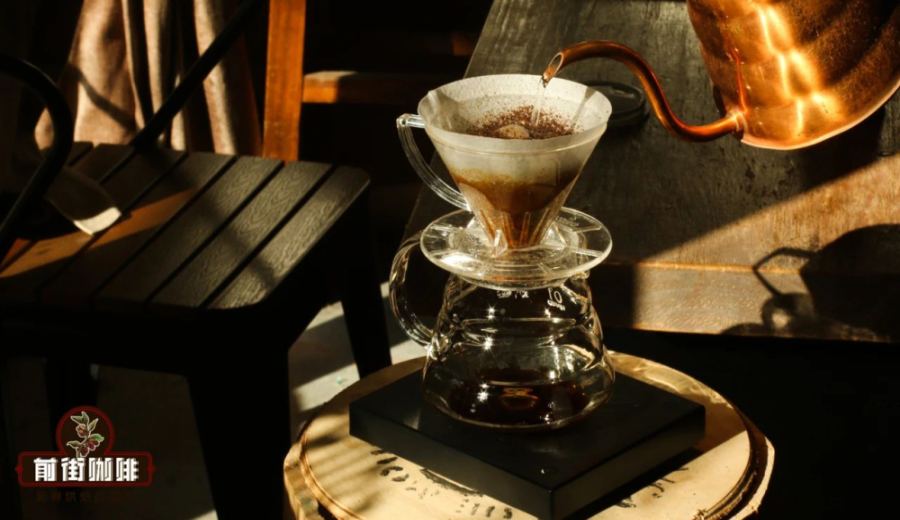
Introduction:Is your home-brewed coffee never as rich and aromatic as those from cafés? This article dives deep into the key factors that influence coffee flavor, covering equipment maintenance, grinding techniques, brewing parameters, as well as the roasting and freshness of coffee beans. It provides practical guidance for adjustment. Whether you're a beginner or an advanced enthusiast, you'll learn how to elevate the complexity of your pour over coffee and master the art of evaluating filter-brewed coffee.
Have you ever tried repeatedly brewing coffee at home, switching machines, beans, or even water sources, yet still failing to recreate that captivating richness found in cafés? You might even wonder: can coffee grounds be eaten directly? In truth, eating coffee grounds is not recommended—they’re not only hard to swallow but also fail to showcase the true depth of coffee flavor. So why does homemade coffee often fall short? This article breaks down the common reasons behind failed brews from multiple angles and shares practical tips to enhance flavor.
Many coffee enthusiasts encounter issues with subpar coffee taste during their first brewing attempts. These issues may manifest as a lack of body, excessive bitterness, sharp acidity, or even overall flatness with weak aroma. These symptoms actually reflect problems in certain stages of the brewing process. Especially for espresso—this high-pressure, rapid-extraction method—control over variables is extremely demanding, and even minor mistakes can easily affect the final quality of the cup.
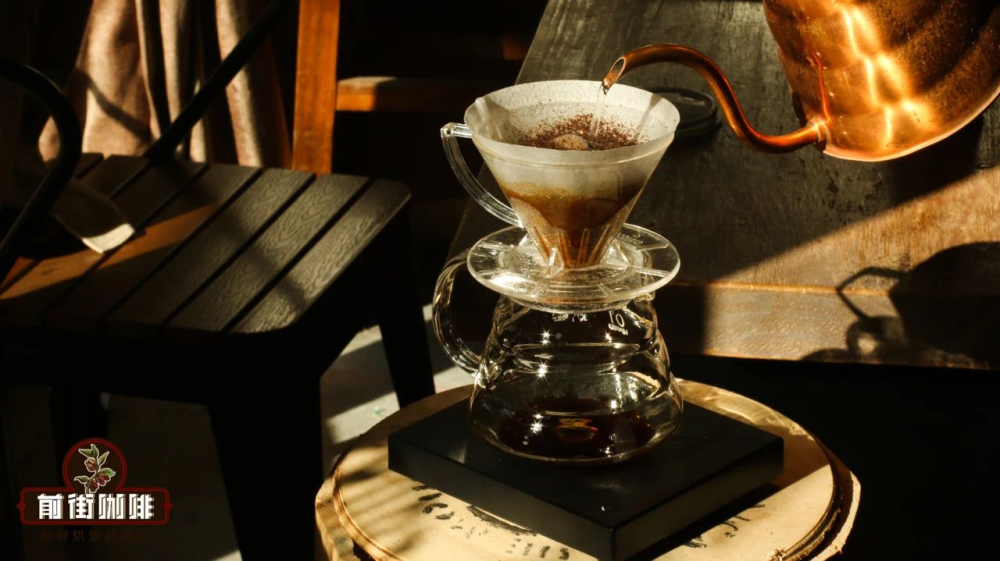
First, the grind size of coffee grounds directly affects extraction efficiency and taste. Generally, espresso requires an extremely fine grind, similar to powdered sugar, to allow effective extraction under high pressure; pour over coffee, on the other hand, is best with a medium-coarse grind, akin to sea salt granules, to avoid over-extraction or under-extraction. Too fine a grind can lead to over-extraction, making the coffee bitter and astringent; too coarse may result in under-extraction, leaving the flavor dull and insipid. Therefore, choosing the right grind size for your brewing method is crucial.
The condition of your equipment is also a major factor influencing coffee flavor. An espresso machine that hasn’t been maintained for a long time can accumulate coffee oils and limescale inside, which not only affects extraction pressure but may also impart off-flavors to the coffee. In addition, the use and care of the grinder should not be overlooked. Once coffee beans are ground, their oxidation rate increases significantly, and aroma can dissipate within just a few minutes. Therefore, it’s recommended to use a professional burr grinder and grind the beans right before brewing to preserve their fullest flavor.
If the grinder blades are used for a long time without cleaning or replacement, they can also affect the uniformity of the grind, resulting in some grounds being too fine and others too coarse, which in turn impacts the overall balance of extraction. Moreover, freshness is one of the keys to coffee quality. Freshly roasted coffee beans continue to release carbon dioxide, and brewing them immediately may lead to uneven extraction. It’s advised to let freshly roasted beans rest for about a week after roasting, allowing them to complete their “degassing” process, before brewing. This ensures more stable extraction results and better flavor expression.
The roast level of coffee beans also affects the final flavor profile. Under-roasted beans often taste overly acidic and lack complexity; over-roasted beans, on the other hand, tend to produce burnt, bitter notes that mask the inherent layers of the coffee. Therefore, choosing coffee beans with a moderate roast level is the first step toward achieving balanced flavor. For pour over coffee, light to medium roasts usually highlight delicate fruit acids and aromas better, while dark roasts suit those who prefer a stronger, bolder taste.
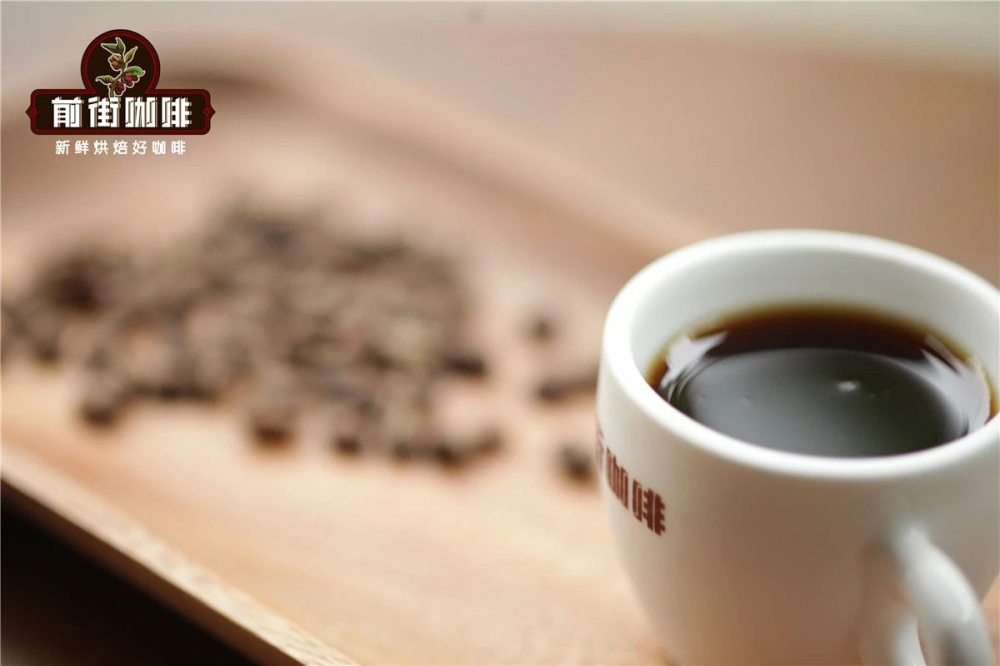
Turning to filter-brewed coffee, this brewing method is generally more approachable than espresso but still demands technique and attention to detail. First is water temperature—use hot water between 88°C and 94°C for brewing. Water that’s too hot can over-extract the coffee, leading to bitterness, while water that’s too cool may under-extract, resulting in a lack of flavor richness. Additionally, stirring methods, water flow rate, and steeping time during brewing all impact the final outcome.
When evaluating filter-brewed coffee, assessment can be made across several dimensions. First is aroma—good coffee should emit clear notes of fruit, flowers, or nuts. Next is acidity—a bright, refreshing acidity can enhance the coffee’s complexity, but overly sharp acidity may make the coffee taste piercing and unpleasant. Then comes body—the sense of weight or fullness in the mouth. A well-balanced body offers a smooth, rounded mouthfeel. Finally, there’s aftertaste—high-quality filter coffee should leave a lingering aroma and sweetness after swallowing, rather than dryness or off-flavors.
As for whether to add sugar to coffee, it ultimately depends on personal taste and the quality of the coffee. Well-brewed, high-quality coffee usually doesn’t need extra sugar to reveal its own layers and subtle flavors. But if the coffee lacks flavor or is too bitter, a moderate amount of sugar can help balance the overall taste. However, it’s recommended to first try the unsweetened version to develop sensitivity to the coffee’s original flavors, then adjust according to personal preference.
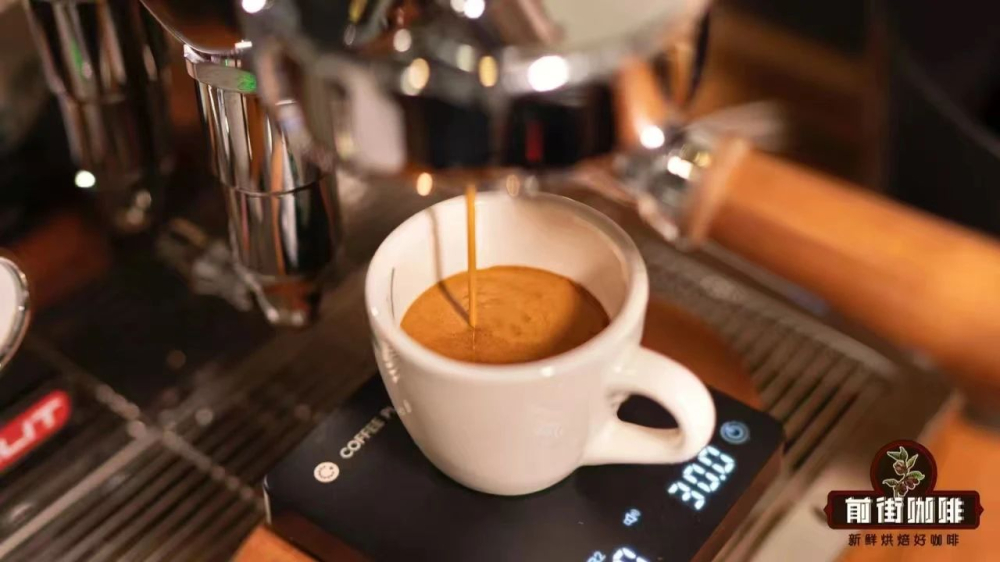
In summary, whether it’s espresso or filter-brewed coffee, numerous factors influence flavor—from equipment and grind size, to brewing parameters, and the quality and freshness of the coffee beans. Each stage plays a critical role. By understanding these variables and gradually adjusting and practicing, you’ll be able to brew coffee at home that rivals café standards, and enjoy the unique flavor journey that each cup brings.
The above content is compiled by CoffeeHunters, a coffee news website.


