







Introduction:Understanding the degree of coffee roasting is the first step in choosing beans that suit your personal taste. From appearance color to aroma characteristics, all the way to the professional SCAA color value system, this article will take you deep into the differences between light, medium, and dark roasts, and teach you how to identify roast levels through observation and tasting. Whether you’re a beginner to pour over or looking to purchase uniquely flavored coffee beans, you’ll find practical guidance here.
A coffee’s flavor profile largely depends on the depth of its roast. For coffee enthusiasts, mastering how to identify roast levels not only helps in selecting beans that match individual preferences, but also allows for a more accurate understanding of the flavor descriptions labeled on packaging. This article will approach the topic from three practical methods: first, visually observing the color and surface condition of the beans; second, inferring roast levels based on the flavor descriptors provided on the package; and third, referencing the Agtron infrared caramelization measurement standard established by the SCAA (Specialty Coffee Association of America), which categorizes eight color grades into four main types. The article also includes visual characteristic explanations for each roast level to help you more intuitively distinguish beans of varying roast depths.
The coffee beans we encounter in daily life are all finished products that have undergone varying degrees of roasting. This roasting process causes green beans to release a wealth of aromatic compounds while also profoundly influencing the final taste experience. Next, we’ll introduce several common and effective methods for judging roast levels.
I. Visual Observation
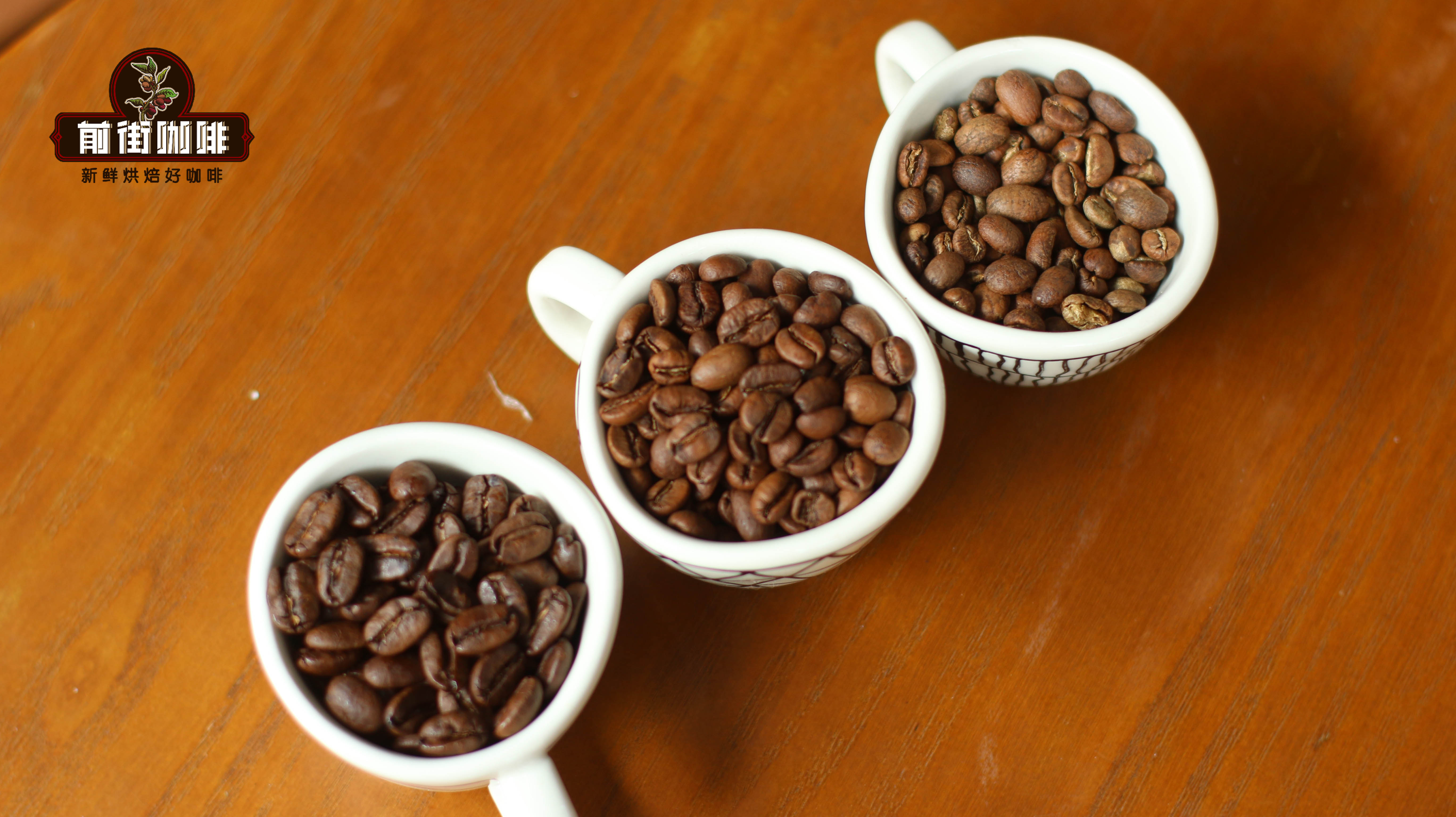
According to common market classifications, coffee roast levels can generally be divided into three major categories: light roast, medium roast, and dark roast.
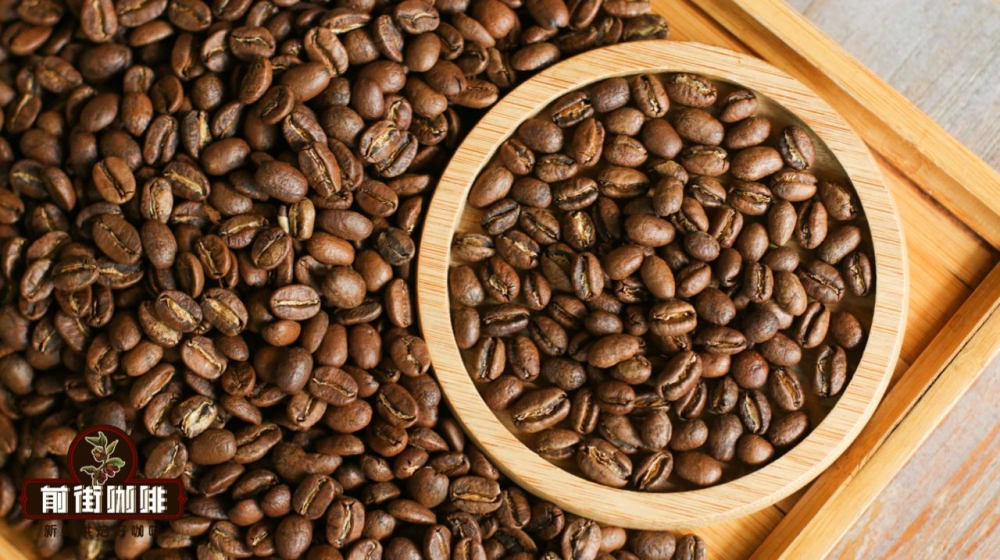
Raw beans are typically light yellow or pale green in their original state. As roasting progresses, the color of the beans gradually darkens. Light roast coffee beans usually appear light brown, with relatively visible surface textures and often deeper wrinkles; moving into medium roast, the bean color turns dark brown, the surface wrinkles become smoother, and the texture becomes firmer; whereas dark roast coffee beans appear nearly black, with smooth surfaces, and in some cases may exhibit an oily sheen due to oil exudation.
II. Inferring Roast Level from Flavor Descriptions
In addition to observing appearance, we can also estimate the approximate roast range of a coffee bean based on the flavor descriptors provided on the packaging or by the seller. Generally speaking, if the flavor description frequently features floral, citrus, berry, and other fruity notes, it is mostly a light to medium roast; if it emphasizes sweet elements such as maple sugar, cane sugar, and caramel, it is typically a medium roast; and if the key flavor words include nuts, cocoa, caramel, herbs, and other more bitter or intense flavors, it is usually a medium-dark or dark roast.
Although such categorizations are not 100% rigorous, they are very practical for general consumers. The reason is that the timing control of the roast by professional roasters, as well as the flavor descriptions written by baristas after cupping, are all based on certain standards and can serve as reliable references when making purchasing decisions.
So, is there a more scientific way to determine the roast level of coffee? The answer is yes.
III. Determining Roast Levels via the SCAA Color Value System
During the coffee roasting process, there are several key moments worth noting, such as the "first crack." Before the first crack occurs, it is generally believed that the coffee beans have not yet reached an ideal state of "ripeness." After the first crack begins, there is an intense phase, followed by about one to two minutes of relative quiet, and then the second crack arrives. Generally speaking, the later the beans are dropped after the first crack ends, the darker the overall roast level.
The SCAA uses infrared caramelization measurement technology (Agtron) to measure the color of coffee beans, thereby determining their roast level. The colors are divided into eight grades from light to dark, forming eight standard color blocks that serve as industry references for assessing roast levels.
The corresponding roast levels for each Agtron color value are as follows:
• Agtron color value #95: Light Roast, dropping the beans just as the first crack’s dense phase is ending;
• Agtron color value #85: Cinnamon Roast, dropping the beans around the time the first crack ends;
• Agtron color value #75: Medium Roast, dropping the beans after the first crack has ended;
• Agtron color value #65: High Roast, dropping the beans during the quiet period between the first and second cracks;
• Agtron color value #55: City Roast, dropping the beans at the start of the second crack;
• Agtron color value #45: Full City Roast, dropping the beans just before the dense phase of the second crack;
• Agtron color value #35: French Roast, dropping the beans during the dense phase of the second crack;
• Agtron color value #25: Italian Roast, dropping the beans when oils begin to emerge on the bean surface.
For easier understanding, this eight-level color value standard can also be simplified into four main categories:
• Light Roast (highlighting fruit acidity and floral-fruity aromas): includes Light Roast and Cinnamon Roast, suitable for those who enjoy fresh acidity and fruity notes, recommended for selecting light roast beans with pronounced fruitiness;
• Medium Roast (enhancing sweetness and balanced flavor): covers Medium Roast and Medium-Dark Roast, emphasizing the harmony of sweetness and flavor balance, suitable for consumers who prefer a well-rounded taste;
• Medium-Dark Roast (fuller sugar conversion, blending bitterness and sweetness): includes City Roast and Full City Roast, where sugar substances undergo more complete conversion, resulting in a bitter-sweet profile, suitable for coffee lovers seeking layered complexity;
• Dark Roast (emphasizing bitterness and richness): mainly French Roast and Italian Roast, as the roast enters the latter part of the second crack, the final product is generally more bitter, less commonly used in the market, but suitable for consumers who enjoy strong, bold flavors.
The above content is compiled by CoffeeHunters, a coffee news website.


