







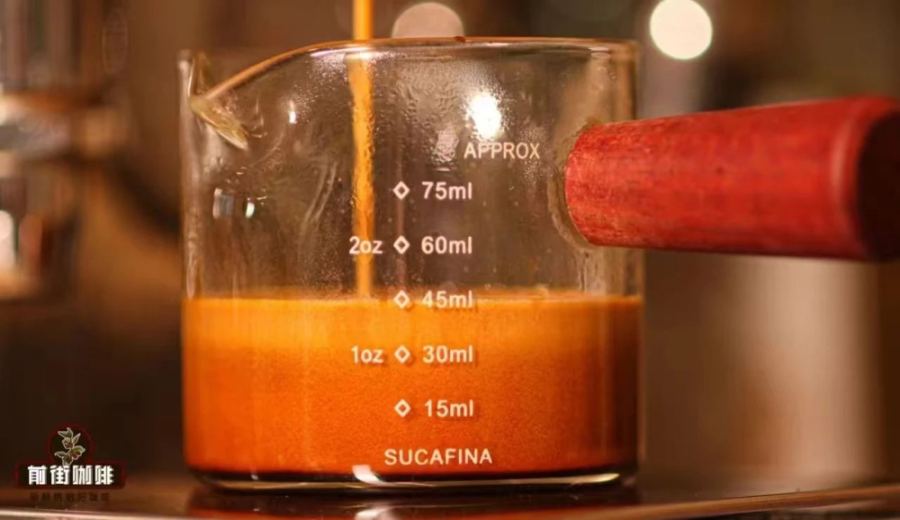
Introduction:Espresso is renowned for its intense flavor and captivating crema, yet the parameters involved in the extraction process—such as dose, yield, time, and grind size—are intricately interconnected. Even slight adjustments can significantly impact the final flavor. This article delves into the principles of espresso extraction, guiding you step-by-step through variables like the coffee-to-water ratio, extraction time, and grind fineness. With real-world examples, it also explains how to adjust based on flavor outcomes, so you too can consistently brew rich, satisfying espresso at home.
Espresso, with its golden crema (coffee foam) and bold flavor, is a favorite among many coffee enthusiasts. Compared to pour over coffee, espresso is made by forcing hot water through a tightly packed puck of coffee grounds under high pressure, extracting a highly concentrated shot of coffee in just seconds. While the process may seem simple, it involves a range of critical parameters—including dose, yield, extraction time, and grind size—that interact closely. Even minor tweaks can dramatically alter the overall cup. This article breaks down the logic behind espresso extraction, helping you understand the relationships between coffee-to-water ratio, extraction time, and grind fineness. Through practical examples, we’ll show you how to adjust these parameters according to flavor, enabling you to brew satisfying espresso at home.
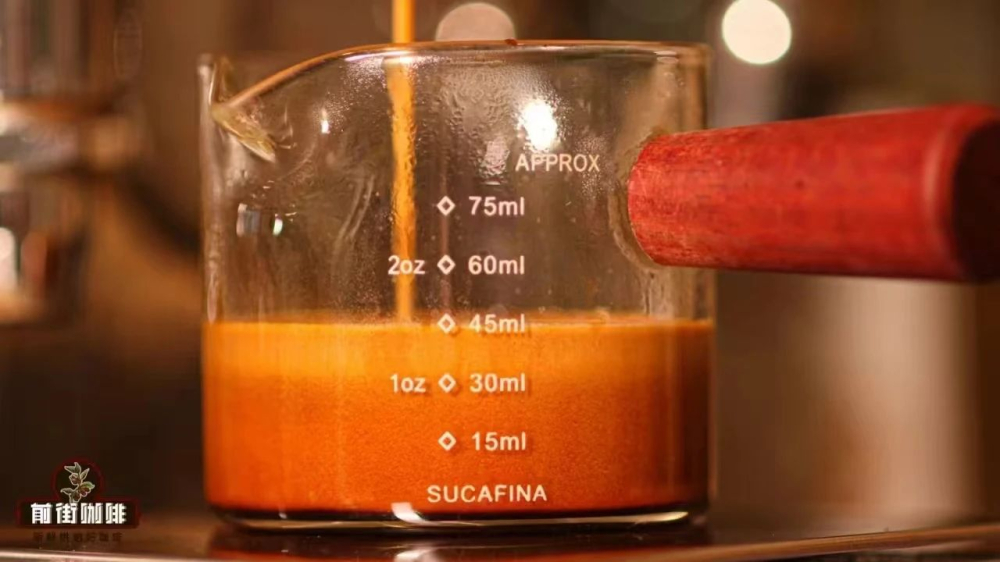
Before diving into specific parameters, let’s explore how espresso has evolved. In the early days, people typically brewed coffee using immersion methods, requiring extremely finely ground beans and longer extraction times. To improve efficiency, Italians began using pressurized steam to push hot water rapidly through coffee grounds, drastically shortening extraction time and giving rise to the espresso we know today. Over the years, this method has been refined, leading to the modern semi-automatic and fully automatic espresso machines that now allow both home and commercial users to easily craft high-quality espresso.
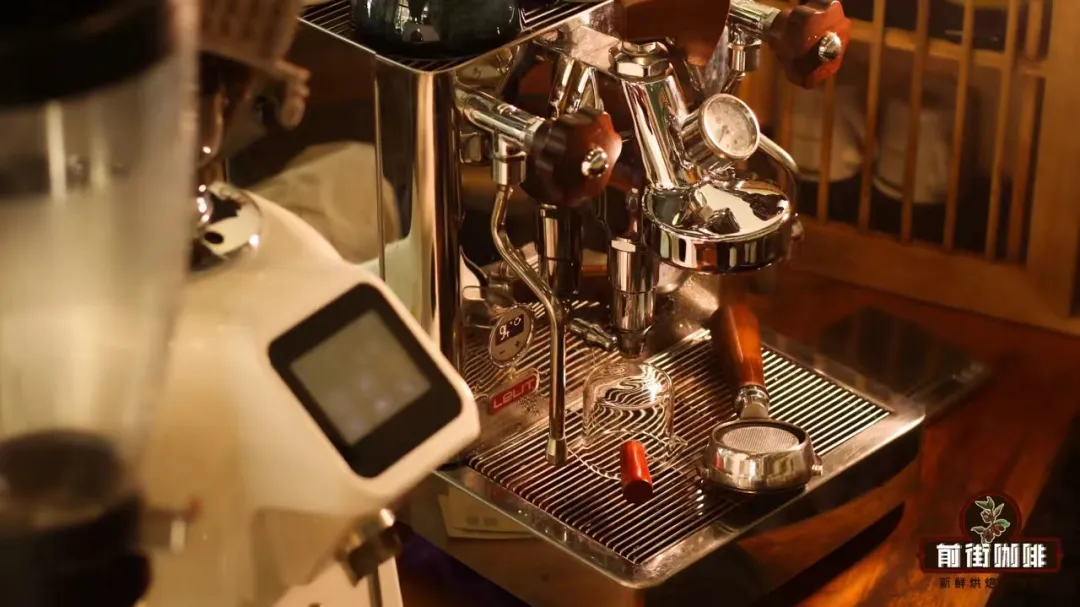
Modern commercial espresso machines typically deliver stable pressure of nine atmospheres or more, along with water temperatures exceeding 90°C. Combined with extremely finely ground coffee, they quickly extract espresso that is rich in crema, aromatic, and full-bodied. However, crafting an ideal shot with balanced flavor and layered complexity requires baristas to precisely control multiple variables—including grind size, dose, yield, extraction time, and tamp pressure—all of which directly influence the final extraction outcome and flavor profile.
There are numerous factors that affect espresso flavor, such as grind fineness and uniformity, boiler pressure, water temperature, distribution and tamping pressure, dose, extraction time, and yield. Among these, the machine’s pressure and water temperature are usually pre-set and not recommended for frequent adjustment. Similarly, distribution and tamping vary from person to person, making standardization difficult. As a result, the four most commonly used and easiest-to-manage variables for daily extraction adjustments are:Dose, extraction time, yield, and grind size.
Let’s start with grind size. The fineness and uniformity of coffee grounds are key to controlling flow rate during extraction. Even a difference of just 1 gram in dose can lead to variations of several seconds in the time required to achieve the same yield. If coffee particles are inconsistent in size, the density after tamping will be uneven, resulting in inconsistent water resistance. This can cause some areas to over-extract while others under-extract, ultimately affecting the overall flavor. These issues directly manifest in flow rate, extraction time, and the final cup’s flavor, making it crucial to use a grinder with high grind uniformity.
Another important concept isthe coffee-to-water ratio—the proportion of coffee grounds to the final extracted liquid. It’s also one of the most intuitive extraction parameters. Typically, double baskets used at home or in cafes hold around 20 grams of coffee, while single baskets range from 14 to 18 grams. The coffee-to-water ratio isn’t set in stone; the final yield may still need adjustment based on actual flavor results. In the past, lacking precise weighing tools, baristas often relied on observing changes in crema color to determine when extraction was complete: initially dark brown, gradually turning golden, and finally light yellow or even pale, which usually signaled the end of extraction.
Nowadays, the standard coffee-to-water ratio for espresso often follows a 1:2 guideline—for example, using 20 grams of coffee to aim for a 40-gram yield. Of course, this ratio can be fine-tuned based on bean characteristics, roast level, and personal taste, but 1:2 remains a stable and widely used benchmark.
As for extraction time, it generally falls between 25 and 30 seconds under a standard coffee-to-water ratio. It’s important to note that, with a fixed ratio, a shorter extraction time means fewer coffee solubles are dissolved, potentially resulting in a thinner flavor. Conversely, a longer time extracts more solubles but risks over-extraction, leading to bitter or burnt notes. If you want to adjust extraction time while maintaining the same coffee-to-water ratio, the only way is to modify grind size and dose, thereby influencing flow rate and extraction efficiency.
With these basic parameters understood, the next step is adjusting based on actual extraction results and flavor profiles. For instance, if you’re using a coffee blend with bright acidity and wine-like notes, the ideal extraction should highlight whiskey-like aromas, vanilla, cream, and berry acidity. But if your espresso tastes overly light, lacks aroma, and finishes with astringency, it may be under-extracted or unevenly extracted in the latter phase. In this case, consider increasing the dose or reducing the yield to concentrate the flavors. If the astringency fades and aromas become more pronounced after adjustment, you’re on the right track.
Conversely, if the flow rate remains too fast and aromas are weak, the grind might be too coarse or the tamp insufficient, leading to inadequate extraction. In this situation, try grinding finer and extending extraction time to enhance richness. However, if the flow is too slow, the cup is overly bitter, or acidity is overly sharp, it may be over-extracted. Here, reduce the dose or coarsen the grind to allow more liquid to extract within the same time frame, balancing the overall flavor.
In summary, mastering the interplay between coffee-to-water ratio, grind size, and extraction time makes it easy to brew a well-balanced espresso. However, since home espresso machines are generally less stable than commercial ones and produce smaller yields, this actually demands even more precise control over each parameter. We recommend keeping a record of the parameters used in each brew along with their corresponding flavor outcomes. Through continuous comparison and adjustment, you’ll gradually discover the optimal extraction recipe tailored to your taste.
The above content is compiled by CoffeeHunters, a coffee news website.


