







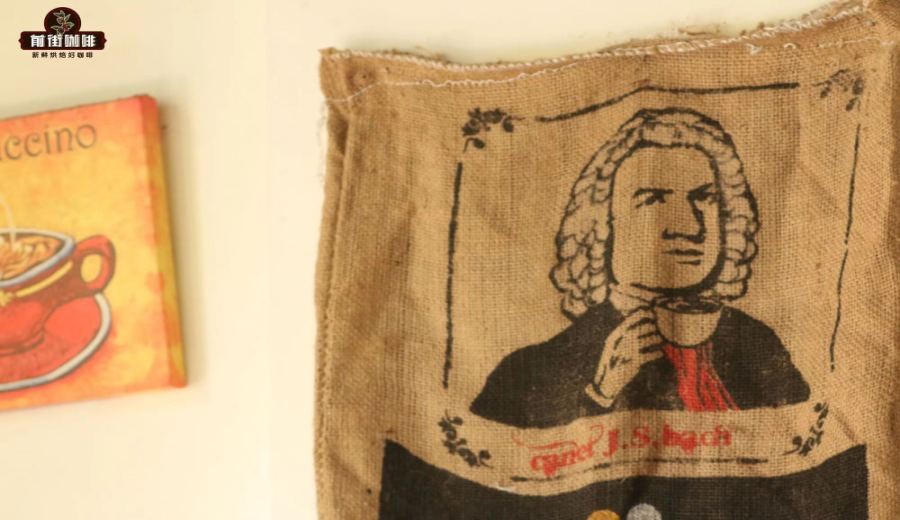
Introduction:Delve into the Musician Series 'Beethoven' coffee beans from Finca Canet in Costa Rica’s high-altitude Tarrazú region. This exploration covers everything from variety characteristics and washed processing to roast profiles, fully breaking down its unique flavor profile of berry acidity and honey sweetness. Practical cupping data, brewing recommendations, and parameter details are provided to help you master the refined expression of this strictly hard bean.
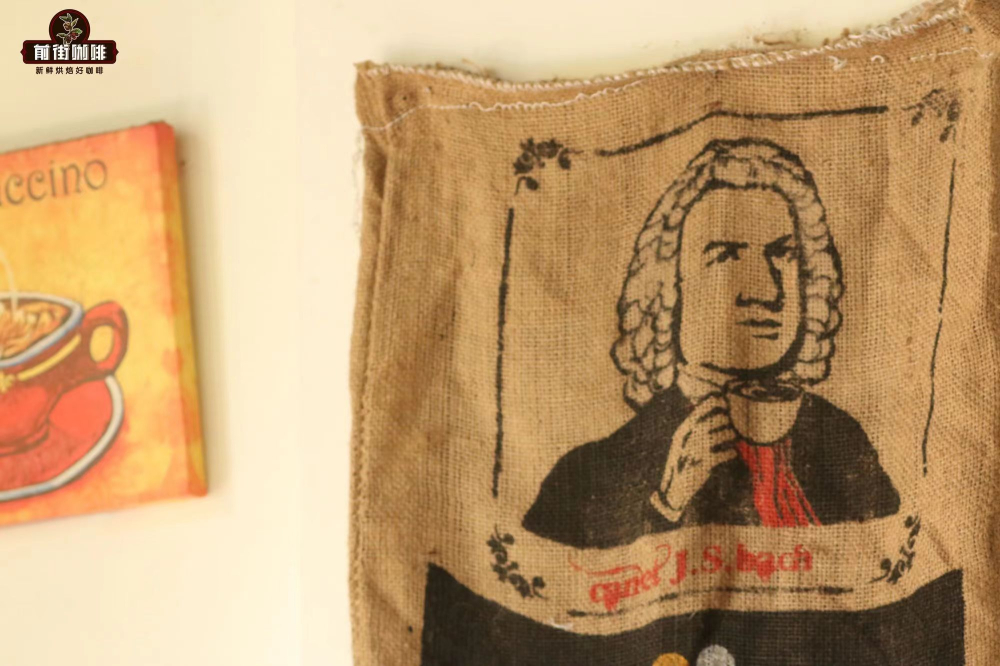
Among Costa Rica’s many specialty coffee regions, Tarrazú stands out thanks to its high elevation and volcanic soil advantages, consistently ranking as one of the most favored origins among international buyers. Located at nearly 2,000 meters above sea level within this region, Finca Canet has been family-run by three brothers for over a decade. In addition to owning its own processing facilities, it is renowned for its limited-edition ‘Musician Series’. Among them, ‘Beethoven’ uses the rare Yellow Catuai variety, showcasing a clean and bright berry profile through the washed process—making it an excellent choice for pour-over enthusiasts.
The terroir lays the foundation for flavor
Situated on the southern edge of Costa Rica’s Central Valley, Tarrazú features typical volcanic terrain with annual rainfall exceeding 2,000 mm and significant day-night temperature variations. Over 95% of the coffee here is classified as Strictly Hard Bean (SHB), meaning coffee cherries must mature above 1,500 meters to accumulate sufficient sugars and acidity. Finca Canet is located in the highest microclimate zone of the region, surrounded by tropical fruits like passion fruit, which indirectly impart complex floral and fruity aromatic layers to the coffee.
The unique advantages of the Yellow Catuai variety
Compared to the more common Red Catuai, Yellow Catuai (Catuai Amarillo) is easily distinguishable by its fruit skin color. Its genetics originate from a cross between Mundo Novo and Caturra, and it is naturally resistant to leaf rust. This variety tends to exhibit bright citrus acidity and honey-like sweetness in high-altitude environments, making it particularly well-suited to the washed process to highlight its clean taste profile. It is worth noting that Yellow Catuai ripens relatively quickly, so careful harvesting is required to avoid unripe beans affecting the overall flavor.
The refined craft of the washed process
Finca Canet employs a traditional washed process for the Beethoven beans: after removing defective beans, a depulper is used to strip away the sticky fruit layer, followed by a centrifugal washer to thoroughly remove the mucilage. This step requires strict control of water temperature and agitation intensity to prevent over-fermentation. The washed beans are then placed on shaded drying racks for 12 to 14 days of slow drying, with at least three turnings per day to ensure even dehydration. This process effectively minimizes impurity interference, resulting in a brewed coffee with pronounced berry acidity and a clear, honey-like finish.
For roasting, a medium roast level is recommended to balance acidity and sweetness.Reference roast curve for the Yangjia 800N semi-direct-fire roaster:Preheat to 170°C and drop in the green beans. Initial heat at 120 and air damper at 3, with the turning point around 1 minute and 36 seconds. At the yellowing stage (around 5 minutes and 55 seconds), adjust the air damper to 4 and reduce the temperature to 151°C. When first crack begins (around 9 minutes and 1 second), fully open the air damper and continue development for 1 minute and 45 seconds, finally dropping the beans at 193°C. This curve preserves the distinctive citrus notes of Yellow Catuai while enhancing the body’s richness.
Practical pour-over parameters and techniques
It is recommended to use a Hario V60 filter cone, with a fine sugar-like grind size (EK43s setting 10) and a 1:15 coffee-to-water ratio. The specific operation is divided into three stages:
1. Pour 30 grams of hot water (90°C) for a 30-second bloom to activate the release of aromatic compounds from the coffee grounds;
2. Use a small stream to circle-pour until reaching 125 grams for the first segment, then continue pouring until 225 grams once the water level drops to the surface of the coffee bed;
3. Allow the final stage to rest until the filter cone is nearly dry before removing it, with total extraction time controlled to around 2 minutes. This method balances the berry acidity and honey sweetness, avoiding over-extraction that can lead to astringency.
According to actual cupping results, this SHB-grade coffee exhibits bright fruit acids of strawberry, apple, and lemon, paired with a long-lasting toffee and honey-like finish. The overall mouthfeel is as delicate and smooth as Darjeeling black tea. For drinkers seeking a clearly defined flavor profile from strictly high-altitude hard beans, Beethoven is undoubtedly a classic choice worthy of deeper appreciation.
The above content is compiled by CoffeeHunters, a coffee news website.


