







Introduction:Panamanian Geisha coffee is renowned for its high prices and unique flavors. What makes it truly stand out? This article delves into the reasons behind its prestige, exploring everything from the growing environment and variety history to the differences between Emerald Estate’s Red and Green labels. We also offer expert pour over recommendations and flavor descriptions to help you find the right Geisha experience—whether you’re a beginner or a seasoned coffee enthusiast.
Panamanian Geisha coffee is hailed as one of the most expensive in the world, even surpassing the traditional specialty coffee benchmark, Blue Mountain. What factors contribute to this coffee’s exceptional value? From the ancient forests of Ethiopia to the volcanic soils of Panama’s Boquete region, Geisha coffee endured nearly a century of obscurity before skyrocketing to fame by winning the Best of Panama (BOP) competition in 2004. This article provides a comprehensive analysis of why Geisha commands such high prices, the grading system of Emerald Estate’s Red and Green labels, and expert pour over advice with flavor profiles. Whether you’re just starting out or a dedicated coffee lover, you’ll discover worthwhile Geisha options here.
Blue Mountain coffee has long been celebrated for its rich aroma and full-bodied taste, along with its relatively high price. However, in recent years, the rise of Panamanian Geisha has made it the new darling of the global specialty coffee market. Many coffee drinkers, upon their first taste of Red Label Geisha, are often amazed by its pronounced rose floral notes, berry and citrus tones, and delicate juice-like texture. The Geisha referred to here typically denotes the variety grown in Panama, with Emerald Estate being the most representative.
The unique flavors of Geisha coffee are closely tied to its growing environment. Panama, located in Central America and bordering Costa Rica and Colombia, is home to the fertile volcanic soils, abundant rainfall, and misty conditions of the Chiriquí Volcanic Region—especially the Boquete area—which create an ideal microclimate for Geisha cultivation. Emerald Estate is situated right here, and its high altitude and diverse microclimates allow Geisha to express its full flavor potential.
The Geisha variety was first discovered in 1931 in Ethiopia’s Geisha Forest, later transported to Kenya and Uganda for research, and introduced to Costa Rica in the 1950s. It wasn’t until the 1970s that Panama’s Hacienda La Esmeralda (often referenced as 洞巴七農園 in context) obtained seeds from CATIE in Costa Rica and began small-scale planting. Due to extremely low yields and tall trees that were difficult to harvest, it remained within niche circles for decades. It wasn’t until 2003, when Emerald Estate isolated Geisha from other varieties, and then won the BOP championship in 2004 with its outstanding performance, that the variety gained international acclaim.
As Geisha continued to excel in international competitions, its price soared. From $350.25 per pound in 2013 to $803 in 2018, and then breaking $1,029 per pound in 2023 auctions, it consistently set new records for specialty coffee prices. This supply-demand imbalance has turned Geisha into a luxury item in the coffee market. However, not all Panamanian Geisha is this expensive—some unspecified estate Geishas still deliver excellent flavor profiles. For example, Boquete-grown Geisha, with its distinctive orange blossom and honeyed notes, is a great entry-level choice.
For consumers wanting to try Geisha on a budget, there are also many cost-effective options. Some roasting brands offer Panamanian Geisha coffee at around 100 RMB per 100 grams—not only with clear flavor profiles but also suitable for daily drinking. Meanwhile, well-known roasters sell Emerald Red Label Geisha at approximately 350 RMB per 100-gram pack, using light roasting to highlight its bright acidity and floral notes. At about 60 RMB per cup, it offers much higher value compared to café prices that often exceed 100 RMB.
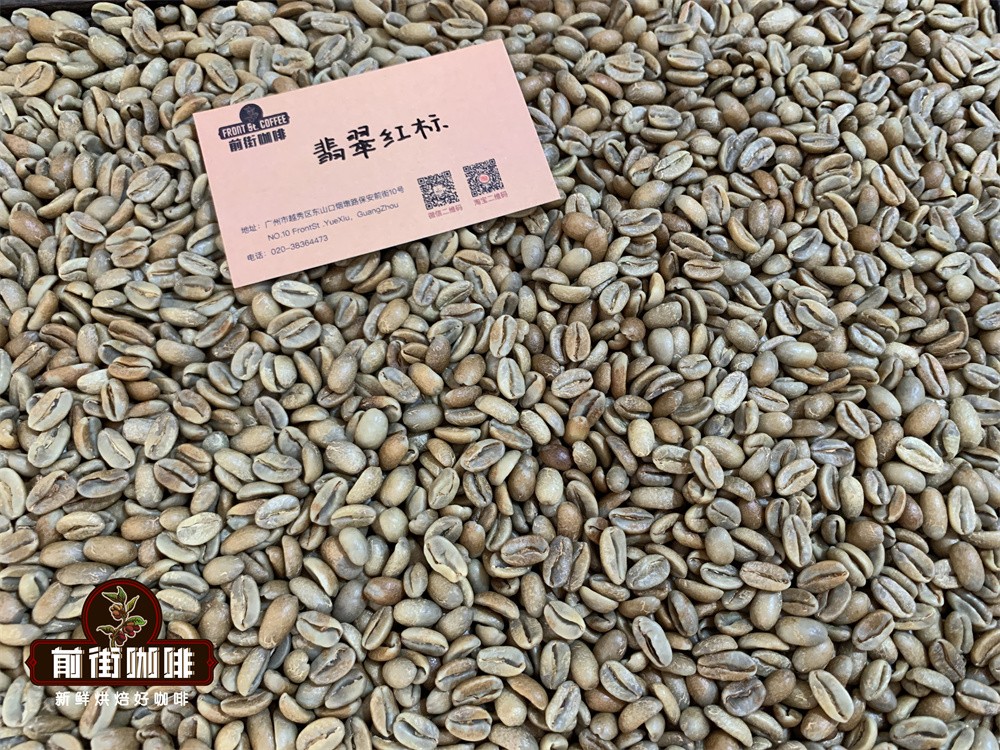
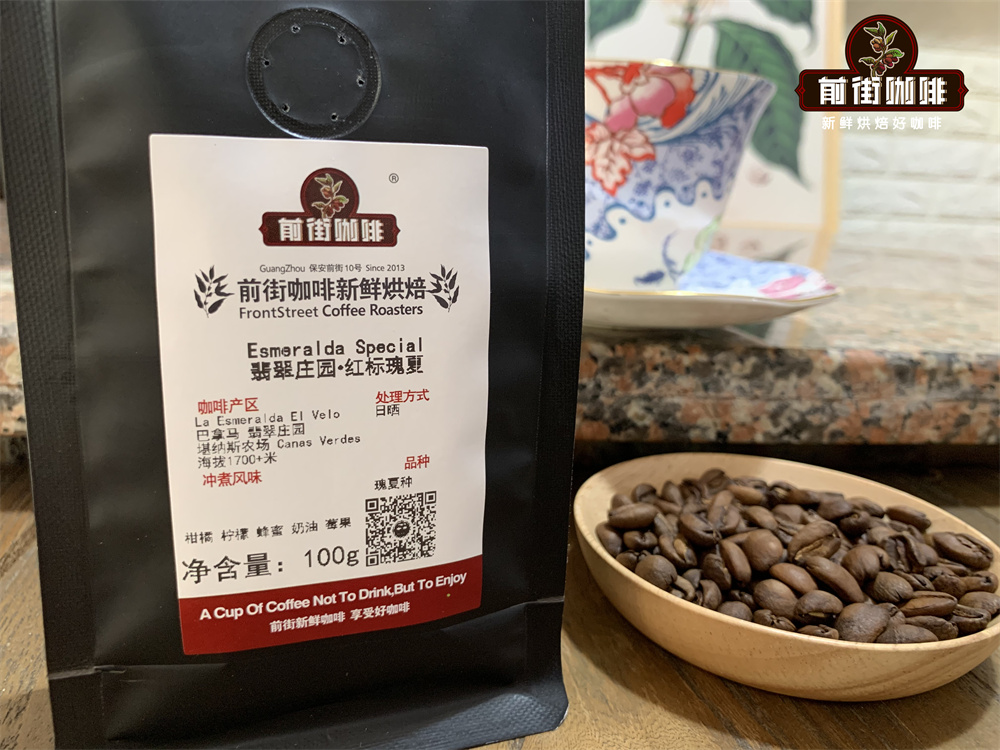
In earlier years, Emerald Estate’s Geisha coffee was categorized into Red Label, Green Label, and Blue Label, but the Blue Label series has not been produced since 2021. Currently, only Red and Green Labels remain, with Red being the highest tier. It is grown at altitudes between 1,600 and 1,800 meters, and must achieve a cupping score of 90 or above. Red Label Geisha mainly comes from the Jaramillo and Canas Verdes farms, offering not only intense flavors but also traceability to specific micro-regions for a more layered tasting experience.
Emerald Red Label Geisha often employs the natural (sun-dried) processing method, which enhances its innate fruity sweetness, making rose, citrus, berry, and honey notes more prominent. During sun drying, the sugars and flavor compounds of the coffee cherries are fully preserved, resulting in a richer, more complex profile and a fuller body. For enthusiasts seeking the classic Geisha flavor, Red Label is an essential choice.
For lightly roasted Geisha beans, it’s recommended to use slightly higher water temperature and a finer grind to fully extract their delicate flavors. We suggest using a Hario V60 dripper, with water temperature controlled at 90°C, a 1:15 coffee-to-water ratio, and a medium-fine grind (approximately 80% passing through a Chinese standard No. 20 sieve). The specific pour over steps are as follows: start with a 30-second bloom using 30 grams of water, then pour in a circular motion with a slow stream until reaching 125 grams for the first pour. After the water level drops, continue pouring to 225 grams, with a total extraction time of about 2 minutes. Gently swirl the coffee before pouring it into your cup to fully appreciate its layered flavors.
The flavor profile of Red Label Geisha includes bright rose floral notes, citrus acidity, roasted rice undertones, sweet berry and apricot fruitiness, and a honey-like finish. The overall mouthfeel is rich and multi-dimensional. It’s best enjoyed within 4 to 7 days after roasting, when the flavors are at their peak. If purchasing pre-ground coffee, note that ground coffee oxidizes more quickly—brew it as soon as possible for optimal flavor.
In summary, Panamanian Geisha coffee commands high prices not only due to its limited production and auction-based distribution but also because of its unique varietal characteristics and exceptional growing conditions. Emerald Estate’s Red and Green Labels offer distinct tasting experiences, and proper pour over parameters along with freshness management can further highlight its nuanced flavors. Whether you’re new to coffee or a seasoned connoisseur, understanding these details will help you find your perfect Geisha experience.
The above content is compiled by CoffeeHunters, a coffee news website.


