








Introduction:As an important coffee-producing region in China, Yunnan has gradually emerged on the global specialty coffee stage thanks to its unique geographical environment and continuously advancing cultivation techniques. From Pu'er to Lincang, the diverse terroirs of each producing area nurture distinct coffee beans. Paired with varied processing methods and brewing techniques, they offer a rich tapestry of flavor experiences. This article delves into the characteristics, varietal evolution, and processing techniques of Yunnan’s major producing areas, along with professional pour over parameters and flavor analysis, helping you select and brew the most suitable Yunnan coffee.
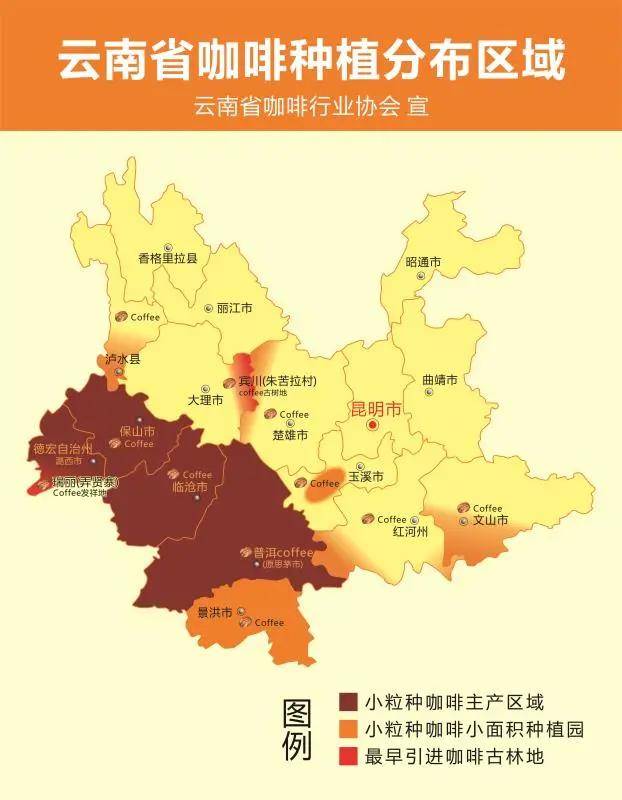
In recent years, Yunnan coffee has gained increasing international attention. Its outstanding flavors and continually improving quality have redefined the potential of this land. Major producing regions such as Pu'er, Dehong, Lincang, and Baoshan, due to their differing geographical and climatic conditions, produce coffee beans with vastly different flavor profiles. Among them, the natural environment of the Pu'er region is similar to that of Colombia — located within the world’s “coffee belt,” with altitudes ranging from approximately 1,000 to 2,000 meters, large diurnal temperature variations, fertile soil, and abundant sunlight, providingYunnan's small-bean variety coffeewith ideal growing conditions.

Dehong Prefecture is one of the first regions in China to introduce coffee. Since the introduction of small-bean coffee from Myanmar in 1914, it has a history of over 100 years. After successful trial planting in 1953, it gradually developed into commercial cultivation and earned the reputation of "Hometown of Chinese Coffee." Currently, the prefecture’s coffee-growing area covers 275,800 mu, with an annual output of about 28,000 tons. Of this, 30,000 mu are planted in high-altitude mountainous areas above 1,600 meters, combined with organic farming practices, resulting in exceptional-quality coffee.
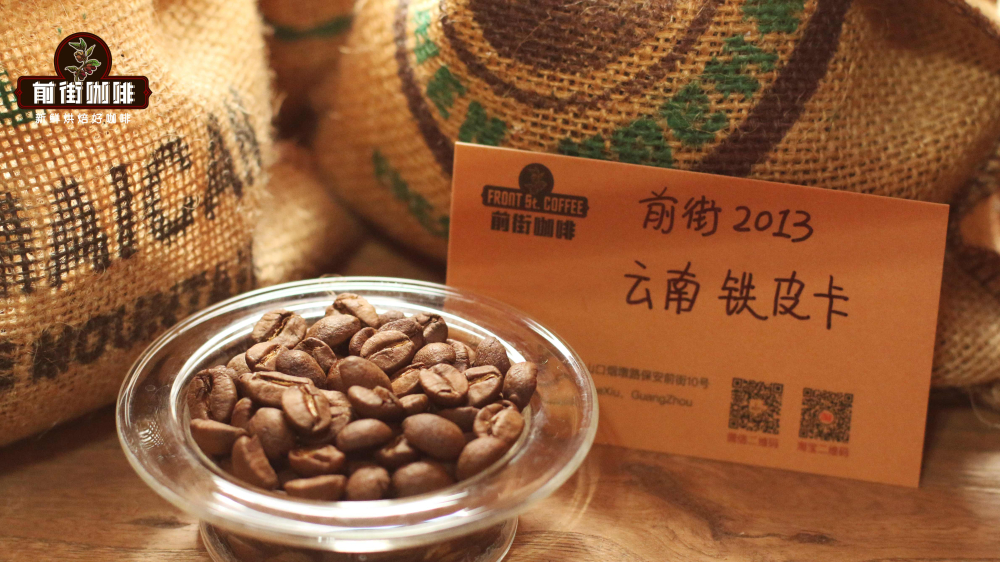
Lincang City, with its unique geography and climate, has attracted the attention of many coffee enterprises. Since 2013, a certain coffee brand has conductedTypica varietyplanting trials here. After years of cultivation, the first harvest of green beans was achieved in 2018. This coffee, when medium roasted, exhibits flavors of plum, brown sugar, and nuts, making it suitable for coffee lovers who enjoy fruity and full-bodied tastes.
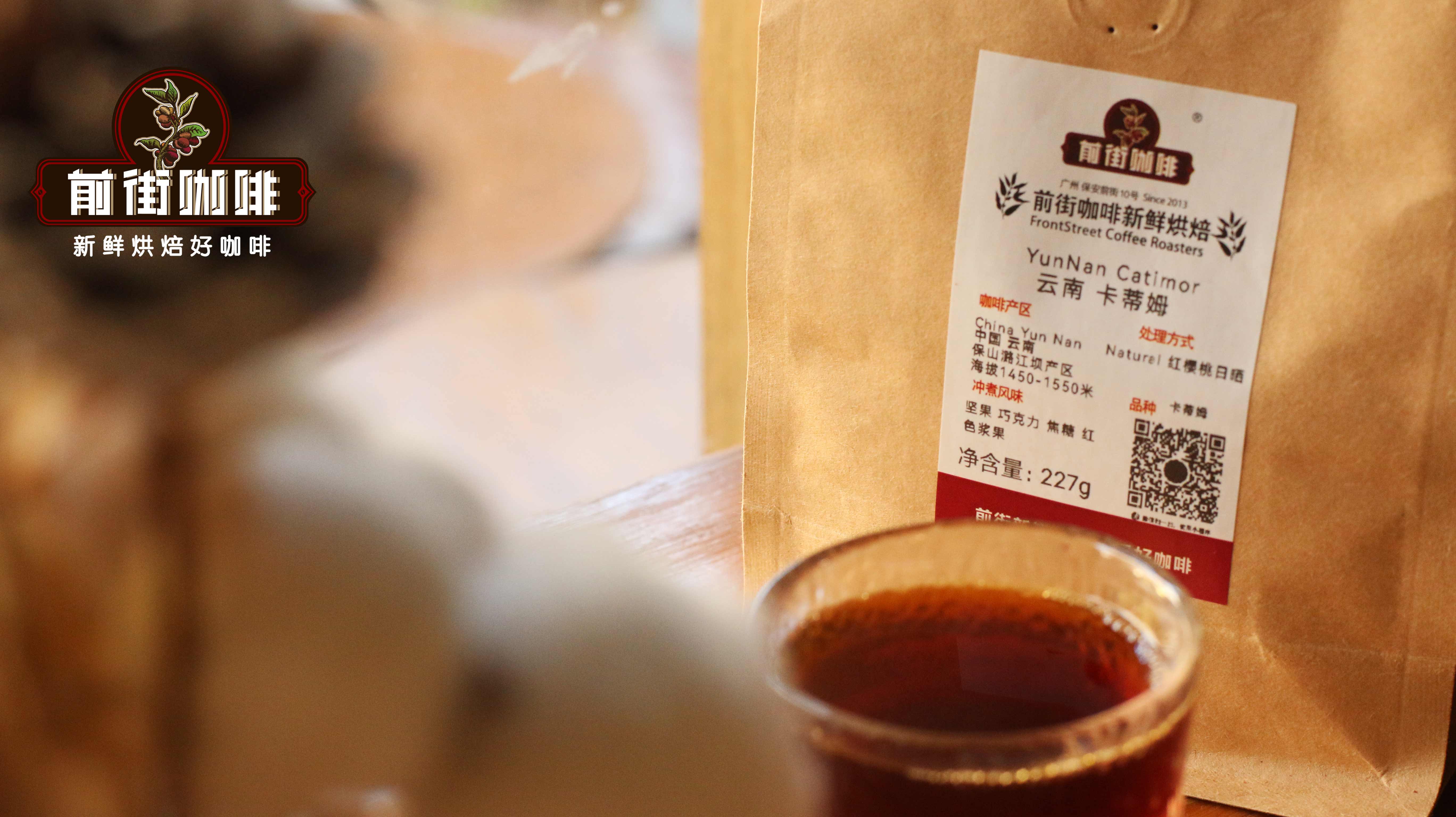
The small-bean coffee of Baoshan’s Luxi Dam has a long history and was already well-known as early as the 1950s. Itswashed Catimor coffeeis favored by many baristas as an entry-level choice due to its stable quality and clear flavor profile. The Catimor variety combines the genetics of Arabica and Robusta, offering strong disease resistance and high yields. It is currently the mainstream variety cultivated in Yunnan, accounting for about 99% of total production.
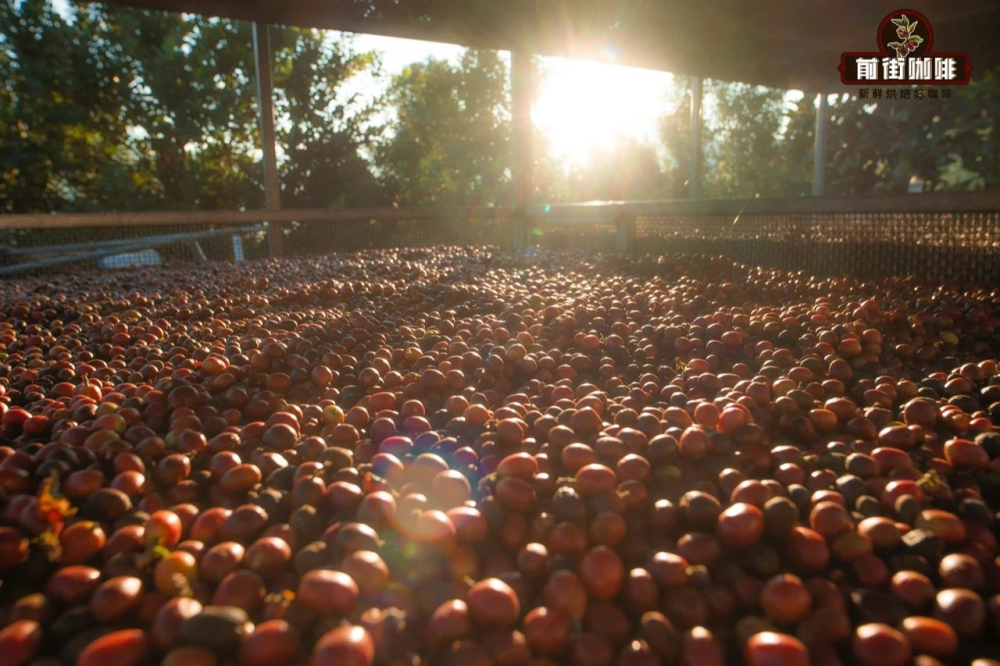
Most of Yunnan’s coffee plantations are located on steep slopes, and harvesting fully ripe cherries requires significant manual labor. Therefore, pruning and yield-reduction strategies are employed, not only improving fruit ripeness but also reducing picking difficulty. In addition, due to the variable climate and long rainy season, water processing is commonly used locally. By strictly controlling the fermentation process, it delivers pronounced fruit acidity and a clear flavor profile, with fewer off-flavors compared to natural drying methods.
For pour over brewing, it is recommended to use the three-stage extraction method: start with a 30-second bloom using 30 grams of water, then pour in a small circular motion to reach 124 grams for the first pour. When the water level drops, pour again to reach 227 grams, with a total extraction time of about 2 minutes. This method effectively balances acidity and sweetness, highlighting the layered flavors of Yunnan coffee beans.
During actual tasting,the 2013 Typica coffee beansdisplay rich melon, fruit, and herbal aromas. The entry is smooth, with nutty and chocolatey notes in the mid-palate, and a lively finish of plum acidity paired with the aftertaste of black tea and brown sugar. Meanwhile, typicalYunnan small-bean coffeeis characterized by bright acidity, a full and balanced mouthfeel, and lingering notes of dark chocolate and caramel, with brown sugar flavors becoming more pronounced as it cools.
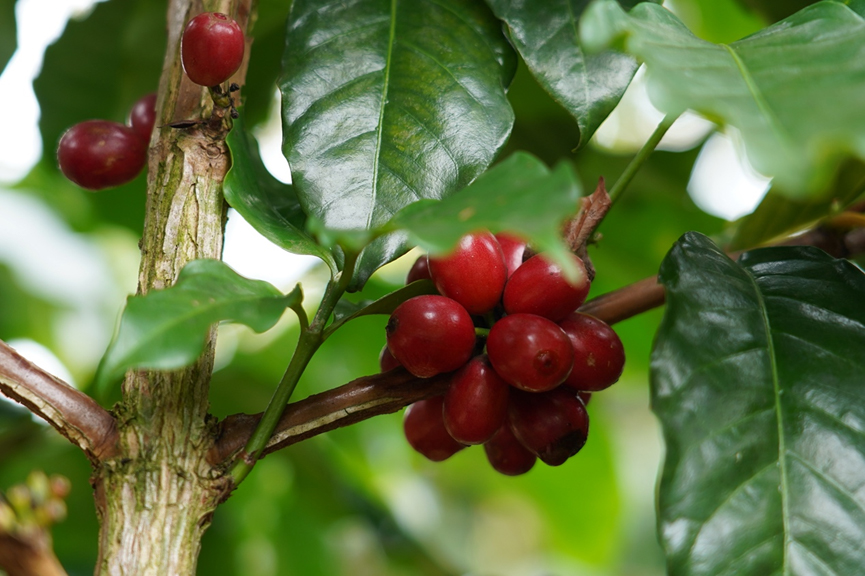
The varietal selection of Yunnan coffee is dominated byCatimor,but there are also small amounts of Typica and Bourbon varieties. Although Typica is an ancient variety introduced early on, its susceptibility to leaf rust and low yield have gradually led farmers to shift toward planting Catimor. In addition to inheriting Robusta’s disease-resistant traits, Catimor also possesses rich coffee oils, meeting modern consumers’ dual demands for flavor and consistency.
With the rise of the specialty coffee trend, more and more international brands such as Starbucks have entered Yunnan, sourcing high-quality green beans from the region and driving technical upgrades and quality improvements in the producing areas. In the future, Yunnan coffee is expected to play a more significant role in the global market, bringing more surprises to coffee enthusiasts.
The above content is compiled by CoffeeHunters, a coffee news website.


